
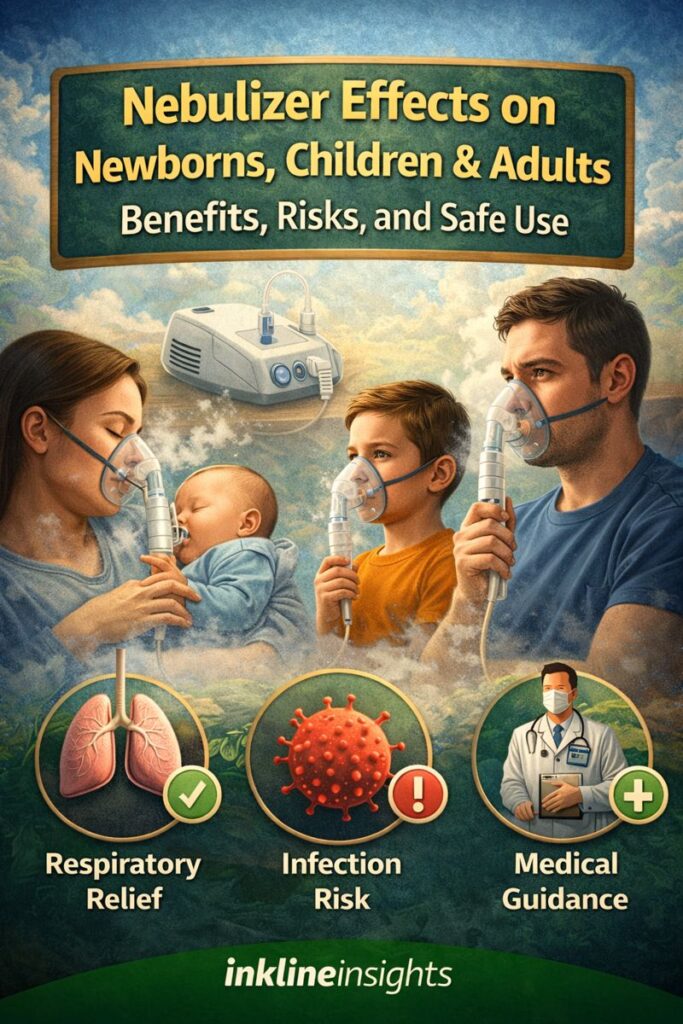

Nebulizer Effects on Newborns, Children, and Adults: Benefits, Risks, and Safe Usage
A nebulizer is a commonly used medical device that helps deliver medication directly into the lungs in the form of a fine mist. It is widely recommended for respiratory conditions such as asthma, bronchitis, pneumonia, chronic obstructive pulmonary disease (COPD), and severe cough. Nebulizer therapy is used across all age groups, including newborns, young children, and adults. However, its effects, benefits, and precautions can vary depending on age and health condition.
This article explains how nebulizers affect newborns, children, and adults, supported by facts and figures, while focusing on safety, effectiveness, and proper usage.
What Is a Nebulizer and How Does It Work?
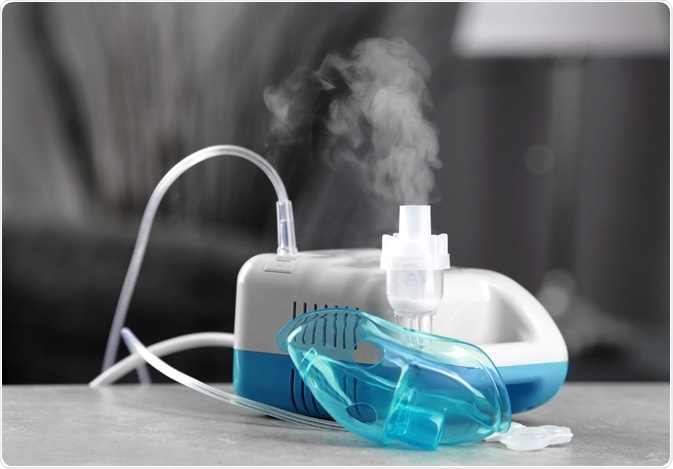
A nebulizer converts liquid medication into aerosol droplets that can be inhaled through a mask or mouthpiece. Unlike inhalers, nebulizers do not require coordinated breathing, making them especially useful for infants, elderly individuals, and patients with severe breathing difficulty.
According to global respiratory health studies, inhalation therapy delivers up to 70–80% of medication directly to the lungs, making nebulizers an effective treatment option for airway-related illnesses.


Effects of Nebulizer on Newborns
Benefits for Newborns
Newborns have delicate and underdeveloped respiratory systems, making them vulnerable to infections such as bronchiolitis, pneumonia, and neonatal wheezing. Nebulizers are often prescribed in hospitals for such conditions.
Key benefits include:
Direct delivery of medication to the lungs
Faster relief from breathing difficulty
Reduced need for oral medications
Lower systemic side effects when used correctly
Medical data suggests that nebulizer therapy can improve oxygen saturation levels in newborns by 10–20% during acute respiratory distress.
Possible Risks
While generally safe under medical supervision, improper use can cause:
Mild irritation of airways
Increased heart rate (with bronchodilators)
Overuse leading to dependency
Risk of infection if equipment is not sterilized
Safety Guidelines
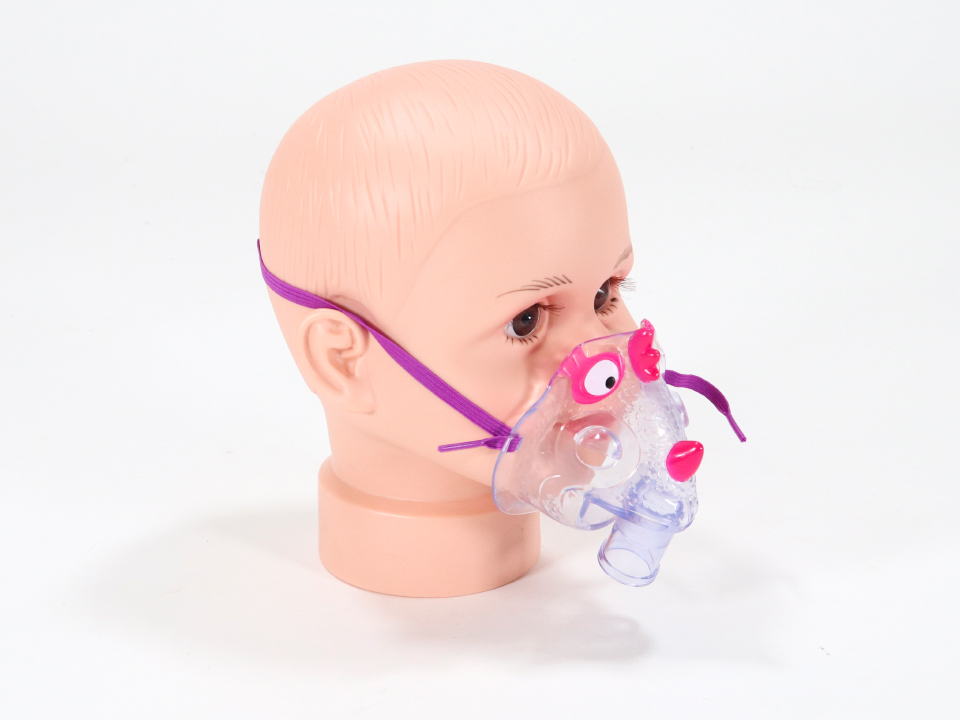
Always use a pediatric or neonatal mask
Medication dosage must be strictly prescribed by a doctor
Nebulization duration should not exceed recommended time
Equipment must be cleaned after every use
Effects of Nebulizer on Young Children
Benefits for Children
Nebulizers are commonly used for children aged 1–12 years, especially for asthma, chest congestion, and allergic cough. Children often struggle with inhalers, making nebulizers a more practical option.
Benefits include:
Easy and painless medication delivery
Improved lung function during asthma attacks
Reduced hospital admissions when used early
Effective management of chronic respiratory conditions
Studies show that proper nebulizer use can reduce asthma-related emergency visits in children by up to 30–40%.
Potential Side Effects
Children may experience:
Temporary jitteriness
Mild headache
Throat dryness
Nausea (rare)
These effects are usually short-term and dose-related.
Best Practices
Ensure the child sits upright during therapy
Use age-appropriate medication strength
Supervise the entire nebulization process
Encourage slow and deep breathing when possible
Effects of Nebulizer on Adults
Benefits for Adults
In adults, nebulizers are widely used for asthma, COPD, chronic bronchitis, lung infections, and post-COVID respiratory issues.
Major benefits include:
Immediate relief during severe breathing episodes
Better drug absorption compared to oral medicines
Reduced inflammation in airways
Improved quality of life for chronic patients
According to respiratory health statistics, nebulizer therapy can improve lung airflow by 15–25% in adults with obstructive airway diseases.
Possible Side Effects
Adults may experience:
Rapid heartbeat
Tremors
Dry mouth
Insomnia (if used excessively)
These effects are generally linked to overuse or incorrect medication dosage.
Usage Tips for Adults
Follow prescribed frequency strictly
Avoid self-medication
Maintain device hygiene
Replace filters and tubing regularly
General Safety and Hygiene Measures
Across all age groups, improper nebulizer use can lead to complications. Research indicates that poorly cleaned nebulizers can harbor bacteria and fungi, increasing the risk of lung infections by up to 25%.
Essential hygiene steps include:
Washing hands before handling the device
Cleaning the mask and chamber with warm water after use
Disinfecting equipment weekly
Air-drying parts completely before storage
Nebulizer vs Inhaler: Which Is Better?
While inhalers are portable and quick, nebulizers are more effective for:
Infants and elderly patients
Severe asthma attacks
Patients unable to use inhalers correctly
Doctors often recommend nebulizers during acute conditions and inhalers for long-term maintenance.
Conclusion
Nebulizers are a safe and effective respiratory treatment option for newborns, children, and adults when used correctly and under medical guidance. They provide fast relief, targeted medication delivery, and improved breathing across all age groups. However, misuse, overuse, or poor hygiene can lead to side effects and infections.
For best results, always follow professional medical advice, use age-appropriate doses, and maintain strict cleanliness of the device. When used responsibly, nebulizer therapy plays a crucial role in managing respiratory health and improving overall quality of life.