Author: inklineinsights@gmail.com

  • “Lazwaal Ishq” Faces Criticism in Pakistan Despite Its Growing Viewership

    “Lazwaal Ishq,” the new Urdu reality show hosted by Ayesha Umar, has become one of the most talked-about programs in Pakistan—not because it reflects local culture, but because it challenges it. The show attempts to introduce a Western-style love-based reality format to Pakistani viewers, placing contestants together in a glamorous villa setup where they interact, form connections, express emotions, and navigate attraction in front of the camera. While this formula works in many countries, it has sparked intense debate in Pakistan due to the country’s cultural, traditional, and religious expectations regarding modesty, privacy, and public displays of affection.

    In Pakistan’s cultural landscape, matters of love, relationships, and personal bonds are usually kept private and handled with a sense of dignity and restraint. For many viewers, a reality show centered entirely on public expressions of romance feels disconnected from social norms. Critics argue that the show gives visibility to a lifestyle that contradicts Islamic values and the conservative identity of Pakistani society. Several people online have stated that such formats do not align with the moral, ethical, or religious boundaries the country traditionally upholds, and for this reason, it has been labeled “misfit content” for the local environment.

    Despite the heavy criticism, an interesting contradiction has emerged. Even those who strongly oppose the show continue to watch it, react to it, and make reels, memes, and commentary videos about it. Their constant analysis and ongoing discussions are indirectly contributing to the show’s popularity and online reach. Viewers who claim they dislike the content are also the ones generating engagement by dissecting episodes, sharing clips, and uploading reaction videos. This cycle boosts the algorithm, increases visibility, and ultimately promotes the show. The irony is clear: if someone genuinely believes the show is harmful, culturally inappropriate, or against religious values, then the most logical response would be to stop watching it entirely. Watching something only to criticize it still counts as viewership and helps it grow.

    Public opinion on social media is divided, yet several repeating sentiments have surfaced among critics. Many argue that the format feels forced and borrowed from Western reality shows, making it appear out of touch with Pakistani values. Others express discomfort at scenes where contestants openly discuss attraction, emotions, or personal pasts. Some viewers say that the show intentionally uses glamour and controversy as tools to attract attention, rather than offering meaningful content. One common comment seen on social media is that “content like this may reflect global trends but has no place in a country built on modesty and Islamic guidelines.” Another viewer wrote that watching people compete for romantic attention on screen “feels awkward, unnatural, and unnecessary in a society where relationships are treated with seriousness and respect.”

    Even with these reactions, the show continues to receive significant traffic online. The digital generation, curious about new content forms, tends to click on episodes even if they disagree with them. As long as people keep watching it out of curiosity or criticism, the viewership numbers will stay strong. This reveals a broader truth about modern media: audience engagement—positive or negative—adds to a show’s momentum. The more people talk about Lazwaal Ishq, the more it spreads, regardless of whether the conversation is supportive or disapproving.

    In reality, Lazwaal Ishq may not represent Pakistani culture, nor does its format align with Islamic principles. For those who find it inappropriate, deliberately avoiding it would be the most effective form of protest. Continuing to watch it only contradicts the criticism and helps the program thrive. The show exists in a space between fascination and rejection, and its rise in viewership, despite widespread disapproval, highlights the complexity of how modern digital audiences consume and react to controversial content.

  • The Essential Role of Karachi’s FixIt Team in Covering Manholes and Improving Urban Safety


    Karachi, a city of over twenty million people, has long faced challenges related to urban infrastructure, with open manholes ranking among the most dangerous hazards for pedestrians and commuters. In recent years, the FixIt team of Karachi has emerged as one of the most active citizen-driven initiatives addressing this recurring problem. The movement, widely recognized for its hands-on approach, focuses on rapidly covering open manholes, raising awareness about public safety, and holding civic authorities accountable. Their efforts have not only prevented countless accidents but have also pushed the broader conversation about urban responsibility and community involvement to the forefront.

    The FixIt campaign was founded by Alamgir Khan, a social activist who first gained public attention through symbolic protests aimed at highlighting neglected civic issues across Karachi. Khan began by spray-painting the face of government officials near potholes, garbage dumps, and damaged roads to draw immediate attention to the problems ignored by local authorities. This creative yet impactful method quickly gained popularity, turning FixIt from a lone protest into a citywide volunteer movement committed to improving daily life for Karachi residents. Khan’s philosophy centers on community empowerment—encouraging citizens to take ownership of their surroundings rather than waiting endlessly for bureaucratic action.

    Among its most notable contributions is FixIt’s sustained effort to locate, report, and cover open manholes throughout Karachi. Volunteers frequently patrol high-risk neighborhoods, particularly those with heavy foot traffic or near schools and marketplaces. When an uncovered manhole is found, they either temporarily cover it using available materials or install a more stable solution, depending on resources. The goal is always immediate safety first, followed by proper reporting to municipal bodies to ensure long-term repair. This proactive intervention has saved children, motorcyclists, and pedestrians from serious injuries, and in many cases from fatal accidents. As Karachi continues to struggle with damaged drainage systems, the FixIt team plays a crucial supplemental role in keeping the city safer.

    Beyond covering manholes, the FixIt initiative has undertaken several other impactful projects that demonstrate its commitment to civic improvement. Volunteers regularly organize street-cleaning drives, removing garbage from public spaces where municipal services are insufficient. The team has installed public water coolers during intense Karachi summers, ensuring that passersby have access to clean drinking water. During winter, they have distributed warm clothing and blankets to underprivileged families. FixIt has also launched campaigns promoting education access, including the placement of donation boxes where people can contribute books, school supplies, and even funds for student support. These diverse efforts highlight the group’s dedication to improving both the physical environment and the social well-being of the community.

    Over the years, FixIt has grown from a symbolic protest movement into a structured volunteer force that collaborates with local communities to identify problems and take swift action. While they cannot replace the responsibilities of governmental departments, their work has pressured authorities to act faster and more responsibly. The visibility of FixIt’s actions has also inspired ordinary citizens to participate in civic improvement, proving that grassroots efforts can make a meaningful difference even in a city as large and complex as Karachi.

    The role of Karachi’s FixIt team in covering manholes and addressing civic neglect reflects a broader shift toward community-driven solutions. Their hands-on approach, guided by the passion and leadership of founder Alamgir Khan, continues to foster a culture of accountability, awareness, and collective responsibility. As the city evolves and faces new infrastructural challenges, FixIt remains a symbol of what can be achieved when citizens unite with purpose and determination to make their environment safer and more humane for everyone.

  • Highest Paying Degrees in Pakistan: Best Subjects to Choose for a Bachelor’s Program


    Choosing the right bachelor’s degree in Pakistan is one of the biggest decisions for students because it strongly influences future career opportunities and earning potential. The job market in the country is changing quickly, and certain fields consistently offer higher salaries and more stability. Degrees related to technology, healthcare, finance, and business remain among the strongest choices, especially for students who want long-term growth and job security. Computer science and software engineering, for example, continue to rise in demand because companies depend on digital systems, data, and automation. Students who enjoy problem-solving often find this field rewarding because it offers both local and international job options, including remote work.

    Healthcare degrees such as MBBS, Dentistry, and Pharmacy also remain highly valued because the medical industry always needs trained professionals. Although these programs require more years of study and dedication, the financial return is usually strong. A student from Islamabad shared that she spent several challenging years completing her medical degree, but once she began her house job, she quickly realized how many opportunities were available both within Pakistan and abroad. Her experience reflects how healthcare careers continue to offer stability and respectable income levels.

    Business-related degrees like BBA, Accounting and Finance, and Economics open the door to a wide range of careers, from banking and corporate roles to marketing and entrepreneurship. These fields suit students who enjoy communication, management, and analytical work. A finance graduate from Karachi described how he joined a bank as an intern during his bachelor’s degree and was later offered a full-time role. Within two years, he advanced to a higher salary bracket simply by gaining practical experience alongside his degree. Stories like his show how professional exposure can significantly boost growth in business fields.

    Newer fields such as data science, cybersecurity, artificial intelligence, and digital marketing are becoming popular as Pakistan’s digital economy expands. Companies want people who understand how to analyze data, protect systems, and engage online audiences. Students who prefer modern, technology-driven careers often find these programs exciting and high-paying. Because these skills are globally relevant, graduates also have opportunities to work with foreign companies or freelance internationally.

    The best degree, however, depends on what a student is genuinely interested in and what strengths they naturally have. Choosing a program only because it pays well can make studies harder and reduce motivation. A better approach is to consider personal interests, future goals, and market trends together. Students who select a field that matches their abilities and stay consistent throughout their studies often achieve stronger results and better income in the long run, no matter which path they choose. The goal is to choose a degree that not only provides financial growth but also aligns with one’s passion and abilities.

  • How to Prepare for Final Exams: Essential Do’s and Don’ts for Students


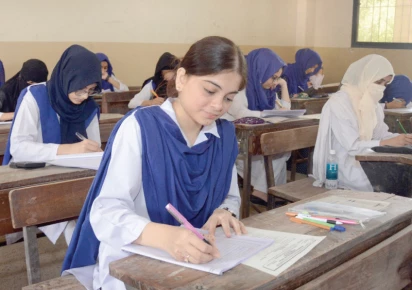
    Preparing for final exams becomes much easier when students follow a steady routine rather than waiting until the last minute. The brain learns better when information is reviewed in small, regular portions, so studying a little each day is far more effective than trying to memorize everything in one long session. When students spread their revision over several days or weeks, they feel more confident because their understanding grows gradually. This reduces stress and improves long-term memory, allowing them to recall concepts more smoothly during the exam.

    One of the biggest challenges students face is procrastination. Many keep delaying their study time until they only have a few days left, which leads to pressure, confusion, and exhaustion. A college student once shared that she used to begin studying only two nights before exams, thinking she worked better under pressure. However, she often forgot key points and felt overwhelmed during tests. The next semester, she decided to start ten days earlier, studying for just 20–30 minutes each day. She noticed a huge difference—not only did her grades improve, but she also walked into the exam hall much calmer and more prepared.

    Avoiding distractions is another important part of exam preparation. Phones, social media, and background noises break concentration even when students think they are multitasking well. Creating a clean, quiet study space helps the brain stay focused for longer periods. Taking planned breaks also supports better learning, because the brain needs short periods to process and store information. Simple activities like stretching, drinking water, or walking around the room help refresh the mind without losing momentum.

    Health also plays a major role in exam performance. Many students stay up late trying to complete more chapters, but lack of sleep reduces concentration and slows down thinking. A school counselor once talked about a student who would study until 3 AM every night during exam week. Although he spent more hours with his books, he made unnecessary mistakes in the exam because his brain was tired. When he prioritized sleep the next term, he answered more accurately and achieved higher marks, proving that rest is not a waste of time but an essential tool for success.

    Students should also avoid unhealthy habits like skipping meals, relying on last-minute cramming, or studying nonstop without breaks. These practices create burnout and make exam stress worse. The most effective approach combines consistent study, good organization, and proper rest. When students take care of their mind and body, stay disciplined, and keep their routine balanced, preparing for exams becomes a much smoother and more productive experience.

  • Bad Impacts of Cocomelon on Children: Are Mobile Rhymes Really Good for Kids?

    Many parents today use mobile rhymes and shows like Cocomelon to keep their children entertained, but experts have noticed that constant exposure to fast digital content can influence how young children think, react, and learn. Kids under the age of five are still developing their focus and emotional stability. When they watch videos that change scenes quickly, use bright flashing colors, and keep the pace extremely fast, their brains begin to expect the same level of stimulation all the time. As a result, normal daily experiences like playing with toys, listening to a story, or interacting with family members may start to feel boring in comparison.

    Some families have observed that their toddlers become easily frustrated when the screen is turned off. This is often a sign of overstimulation. One parent shared that her three-year-old son would watch Cocomelon for long periods and repeat its songs constantly, but he rarely used his own words to communicate. After reducing screen time and replacing it with simple conversations and outdoor play, she noticed that within a few weeks he began expressing his needs more clearly. Cases like this highlight the importance of balancing screen content with real-world interaction.

    Another concern involves emotional behavior. Shows designed for toddlers often solve problems instantly, use exaggerated reactions, or present every situation in an overly exciting way. Children who get used to such patterns sometimes struggle in real life where patience, waiting, and slow problem-solving are normal. A kindergarten teacher mentioned that several children who watched high-stimulation cartoons regularly had difficulty staying calm during group activities. They expected constant excitement and reacted strongly when things didn’t go their way.

    This doesn’t mean that mobile rhymes are always bad. They can be fun and educational in small amounts. The problem begins when screen time replaces activities that naturally support development, such as talking with parents, exploring objects, or playing with other children. A healthier approach is to limit viewing time and stay involved when children watch. Asking simple questions like “What is he doing?” or “What color is that?” helps shift watching from a passive activity to an interactive one.

    In the end, Cocomelon and similar content are not harmful by themselves—what matters is how much time they replace real-world learning. Children grow best when their day includes real voices, real people, and real experiences, with screens used only as a small part of their routine.

    Bad Impacts of Cocomelon on Children: Are Mobile Rhymes Really Good for Kids?

  • Hong Kong’s Deadliest Blaze Exposes Deep Failures in Urban Safety and Oversight

    A massive fire at Hong Kong’s Wang Fuk Court housing complex in Tai Po has killed at least 146 people and displaced thousands, marking the city’s deadliest blaze since 1948. The fire spread rapidly across seven high-rise towers due to bamboo scaffolding, mesh netting, and Styrofoam renovation materials that ignited and fueled the flames. Fire alarms reportedly failed, many elderly residents struggled to escape, and several renovation contractors have been arrested for manslaughter and corruption. Rescue operations lasted more than 44 hours as firefighters battled extreme heat reaching 500°C.

    The devastating fire at the Wang Fuk Court complex is more than an isolated tragedy — it is a painful indicator of deeper structural, regulatory, and societal failures that have been building for years. At the heart of this disaster lies a combination of aging public housing, lax safety enforcement, and renovation practices that prioritized speed and cost over human life.

    For decades, bamboo scaffolding has been a hallmark of Hong Kong construction culture, but in an era of high-rise living, its risks have become increasingly evident. The fire demonstrated how quickly bamboo, plastic mesh, and Styrofoam insulation can transform a building into an uncontrollable inferno. These materials acted as fuel, helping the flames leap from one tower to another in minutes. Their continued use — despite years of warnings — reflects a troubling resistance to modernization in building standards.

    Equally alarming is the failure of essential safety systems. Many residents reportedly never heard alarms, suggesting serious negligence in maintenance and inspection. In a residential complex where nearly forty percent of occupants are elderly, functioning alarms and evacuation systems are not just required — they are lifelines. The tragic loss of life shows what happens when those lifelines fail.

    The arrests of renovation supervisors and individuals linked to corruption raise even deeper concerns. If shortcuts were taken or regulations ignored for profit, then this disaster is not just a natural tragedy — it is a human-made failure, created by carelessness and sustained by weak oversight. Public trust hinges on the government’s willingness to enforce accountability and introduce meaningful reforms.

    Beyond the immediate response, Hong Kong must confront a long-standing issue: its reliance on outdated infrastructure and renovation materials in densely populated estates. This tragedy should serve as a catalyst for a complete overhaul of fire-safety requirements, renovation protocols, and building inspections. It is also a reminder that when a city grows vertically, safety standards must rise with it.

    Ultimately, the Wang Fuk Court fire is a heartbreaking example of how preventable factors — ignored warnings, inadequate systems, and questionable construction practices — can converge into catastrophe. If Hong Kong is to prevent another disaster of this scale, the lessons from this fire must translate into urgent, long-term change rather than temporary outrage.

  • Pakistani Web Series Are Gaining Worldwide Attention Like Never Before


    Pakistani web series are rapidly gaining worldwide attention, signaling a major shift in the country’s entertainment landscape. What once began as small-scale digital productions has now transformed into a bold wave of storytelling that is reaching audiences far beyond South Asia. Global viewers are increasingly drawn to Pakistani web content because of its emotional depth, strong character development, and realistic narratives that stand in contrast to the overly glamorized styles common in other regional industries. Platforms like YouTube, Zee5, Tamasha, and other OTT services have played a crucial role in pushing Pakistani stories to international screens, making them instantly accessible to millions. Many web series are exploring social issues, women-centric narratives, psychological thrillers, and modern romances with a fresh and relatable approach—something global audiences find refreshing and authentic.

    The rise of social media has amplified this exposure, as clips, OSTs, and dramatic moments from Pakistani web series go viral on TikTok, Instagram Reels, and YouTube Shorts. This organic visibility has helped fans from the Middle East, Europe, and even North America discover Pakistani content without targeted marketing. Pakistani actors are also gaining recognition for their natural performances, subtle expressions, and grounded storytelling, creating a global fanbase eager to follow their work. Another major reason for this surge is the creative freedom allowed by web platforms, which lets writers and directors experiment with bolder narratives and unconventional characters that traditional TV often limits. International critics have also started highlighting Pakistani web productions for their high-quality scripts and relatable socio-cultural themes, further boosting their global appeal.

    As the demand continues to grow, more Pakistani production houses are investing in OTT projects with better cinematography, improved sound design, and modern storytelling techniques. Collaborations with global streaming platforms are slowly emerging, hinting at a future where Pakistani web series may secure space alongside global hits. This moment marks a new chapter for Pakistan’s entertainment industry—one where local stories, talented performers, and innovative creators are finally receiving the worldwide recognition they deserve. With rising audience interest and expanding digital platforms, Pakistani web series are not just gaining attention—they are carving out a strong and influential place in international entertainment.

  • 2025’s Most Powerful Social Media Trends Every Creator Should Follow


    Social media in 2025 is evolving at a pace no creator can afford to ignore. Platforms are shifting toward smarter algorithms, audiences are demanding more authenticity, and AI is becoming one of the most important tools in a creator’s workflow. Short-form video continues to dominate TikTok, Instagram Reels, and YouTube Shorts, but the trend today is less about rapid posting and more about strategic storytelling. Clips that last between five and twelve seconds, include strong hooks, and deliver quick value are outperforming highly stylized edits. At the same time, creators are increasingly relying on AI to streamline their work. From writing captions and scripts to auto-editing videos, generating content ideas, analyzing engagement patterns, and even creating virtual influencer avatars, AI has become a daily companion that gives creators the speed and creativity needed to stay competitive.

    Interestingly, as short-form content floods every platform, long-form videos are making a powerful comeback. Audiences who want deeper insights are turning to YouTube documentaries, extended Reels, and TikTok’s ten-minute uploads. Creators who share personal stories, tutorials, expert opinions, or meaningful conversations are seeing stronger audience retention and improved watch times. This shift aligns with another major trend of 2025: audiences craving realness over perfection. Overly curated, polished influencer content is losing impact, while unfiltered moments, behind-the-scenes clips, honest discussions, and relatable storytelling are performing better. Viewers now value creators who feel human, imperfect, and emotionally genuine.

    Another significant change is how fast niche communities are growing compared to broad followings. Platforms are prioritizing interest-based micro-communities, where creators who focus on specific topics—like personal finance, wellness, AI skills, food hacks, or minimal lifestyle content—are getting more algorithmic support. These niches encourage deeper engagement and loyal audiences. Alongside this trend, social commerce is exploding. TikTok Shop, Instagram Shopping, and YouTube’s product tagging tools have turned creators into entrepreneurs. Live product demos, shoppable short videos, and creator-owned storefronts allow influencers to earn through direct conversions rather than just likes or brand deals. Brands are now more interested in creators who can drive sales, not just visibility.

    Collaboration is also becoming essential. Partnering with other influencers, experts, small businesses, or even AI-generated personalities helps creators reach new audiences, diversify their storytelling, and receive better algorithmic traction. Platforms are giving more visibility to collaborative content because it encourages engagement across multiple communities. At the same time, personalization is becoming central to every platform’s strategy. With advanced recommendation engines, content tailored to specific problems or audience interests performs significantly better. Creators who speak directly to their viewers’ needs and create personalized storytelling are seeing higher retention and shareability.

    Overall, social media in 2025 belongs to the creators who adapt quickly. Those who use AI intelligently, stay authentic, focus on niche topics, embrace collaborations, and deliver meaningful value—whether in short clips or deeper long-form content—will dominate the digital landscape. Success now comes not from posting everywhere but from showing up strategically, consistently, and with genuine human connection.


  • Punjabi Rap & Pop Are Redefining Global Music Trends This Year


    Introduction: A Global Sound Revolution Led by Punjabi Music.


    In 2025, Punjabi rap and pop are no longer regional genres — they have become a global musical force. From Canada to the UK, from India to the Middle East, and now even mainstream U.S. charts, Punjabi beats are creating a cultural wave that the world can’t ignore.

    Catchy hooks, heavy basslines, modern trap elements, and powerful vocal styles have helped Punjabi artists break language barriers and attract millions of international listeners.


    1. Streaming Platforms Are Fueling the Punjabi Music Explosion

    The dominance of Punjabi music on platforms like Spotify, YouTube, and Apple Music has made it impossible for global labels to overlook the genre. In 2025:

    * Punjabi tracks frequently appear in worldwide trending lists
    * Collaborative playlists include Punjabi rap next to Western artists
    * Diaspora listeners boost global discovery

    Algorithms now recognize the genre as high-engagement content, pushing it further.


    2. Artists Blending Western & Punjabi Sounds Are Winning the Charts

    A major reason behind the genre’s rise is the bold experimentation by artists. Today’s musicians combine:

    * Western trap and hip-hop beats
    * Punjabi folk instruments
    * EDM-style drops
    * Auto-tuned rap flows

    This fusion creates a sound that feels familiar yet fresh to global listeners — making it ideal for cross-cultural playlists and club scenes.


    3. Viral Music Trends on TikTok & Reels Are Shaping Global Hits

    Short-form video platforms continue to accelerate music trends, but Punjabi tracks have become dominant Why?

    * High-energy beats fit perfectly with dance trends
    * Short Punjabi rap bars go viral easily
    * Global creators love using upbeat desi music
    * Challenge-based content boosts visibility

    One viral TikTok trend can lift a Punjabi track into the international charts overnight.


    4. International Collabs Are Bringing Punjabi Artists Into Mainstream

    The rise of collaborations has further expanded global reach. Over the last year, Punjabi artists have teamed up with:

    * American rappers
    * UK hip-hop producers
    * Afrobeat musicians
    * Middle Eastern pop stars

    These crossovers bring two fanbases together, multiplying the song’s global appeal.


    5. Diaspora Communities Are Driving Global Live Concert Demand

    Punjabi artists are filling arenas in:

    * Toronto
    * London
    * Dubai
    * Melbourne
    * Los Angeles

    These concerts attract not just South Asians but diverse global audiences, proving Punjabi music is now a mainstream genre.


    6. Record Labels Are Investing More in Punjabi Rap Than Ever Before

    Seeing its massive potential, major record labels and streaming giants are:

    * Signing Punjabi rappers
    * Funding bilingual music projects
    * Creating South Asian music divisions
    * Prioritizing international marketing

    This professional backing is helping the genre scale faster than expected.


    Conclusion: Punjabi Music Isn’t Just Trending — It’s Transforming Global Pop

    In 2025, Punjabi rap and pop are not riding a temporary wave; they are reshaping global music culture. Their fusion of tradition and modernity, along with viral social media presence, has attracted millions of new fans worldwide.

    As international collaborations grow and streaming continues to amplify South Asian sounds, Punjabi music is on track to become one of the most influential genres of the decade.

  • Pakistan’s Startup Landscape Is Entering a New Growth Wave in 2025


    Introduction: A New Era for Innovation in Pakistan


    Pakistan’s startup ecosystem is undergoing a dramatic shift in 2025. What once seemed like a slow-growing environment is now accelerating—powered by digital adoption, young tech talent, and increased investor appetite. Despite economic challenges, the country is seeing a fresh wave of innovation driven by fintech, e-commerce, AI, and green tech startups.

    This new growth phase reflects not just business evolution but also a transformation in how Pakistanis work, create, and solve local problems with global potential.


    1. A Surge in Local & Global Investment

    After a quiet couple of years, investment momentum is returning. International VCs are showing renewed interest in Pakistan due to:

    * A rising young population (over 65% under age 30)
    * Increased smartphone penetration
    * Lower startup operating costs compared to regional ecosystems
    * Success stories from fintech and logistics sectors

    Local investors, too, are becoming more confident—creating more angel networks, accelerators, and government-backed funds.


    2. Fintech Is Still Leading the Transformation

    Fintech remains the strongest pillar of Pakistan’s startup ecosystem. With millions of unbanked citizens, the opportunity is massive. In 2025, we’re seeing:

    * Digital wallets gaining record adoption
    * BNPL (Buy Now Pay Later) services expanding
    * AI-driven credit scoring emerging
    * Micro-investment apps becoming mainstream

    This is reshaping how everyday Pakistanis use money.


    3. AI Startups Are Rising Faster Than Expected

    Pakistan is experiencing an AI boom, especially after the global surge in generative AI. Local founders are building solutions in:

    * Education technology
    * Healthcare diagnostics
    * Retail analytics
    * Customer service automation
    * Agriculture monitoring using satellite + AI

    The government is also pushing AI training programs, helping produce more skilled engineers.


    4. E-Commerce Logistics Is the New Entrepreneurship Goldmine

    While e-commerce itself is stabilizing, logistics startups are exploding in demand. The biggest growth areas include:

    * Last-mile delivery
    * Warehousing and fulfillment
    * Smart routing using AI
    * Cross-border shipping solutions

    These services are essential as online shopping continues to evolve in Pakistan.


    5. The Rise of Young Tech Talent and Freelancers

    Pakistan now ranks among the world’s top freelance markets. This has indirectly boosted startups because:

    * Freelancers gain global experience
    * They launch their own startups after learning international skills
    * Remote work culture increases digital literacy
    * Local talent becomes cheaper and more competitive

    The result is a pipeline of skilled developers, designers, and data experts fueling new businesses.


    6. Government Policies Are Slowly Becoming Startup-Friendly

    Although still evolving, several initiatives are helping:

    * Special Technology Zones (STZs)
    * Tax incentives for IT exports
    * Digital skills programs
    * Collaboration with global tech institutions

    These steps are small but impactful in creating a more supportive environment.


    Conclusion: Pakistan Is Entering Its Most Promising Tech Decade

    2025 marks the beginning of a turning point for Pakistan’s startup scene. With stronger digital adoption, improved investor confidence, and a rising wave of AI-driven innovation, the country is positioning itself for long-term growth.

    Despite economic headwinds, Pakistani founders continue to build bold, problem-solving businesses—proving that innovation thrives even in tough times. The next decade could finally place Pakistan on the global startup map.