Dyeing your hair is a great way to refresh your look, but doing it too often can lead to dryness, breakage, and dull color. The ideal time gap between each coloring session depends on the type of dye you use and how healthy your hair is. Generally, experts recommend waiting long enough for your hair to recover before applying chemicals again.
For permanent hair dyes, a safe gap of 6 to 8 weeks is ideal. These dyes contain strong ingredients like ammonia and peroxide, which can weaken your hair if used too frequently. If you prefer semi-permanent color, you can refresh it every 2 to 4 weeks because it is much gentler and fades naturally. Demi-permanent dyes fall in between and can be safely applied every 4 to 6 weeks.
Bleaching is the harshest chemical process, so it’s best to wait 8 to 12 weeks before lightening your hair again. Bleach removes natural pigment and can make your hair dry and fragile if done too close together.
To keep your hair healthy, focus on good aftercare. Use sulfate-free products, deep-condition regularly, reduce heat styling, and apply nourishing oils. If you notice dryness, split ends, or hair breakage, extend the time between your coloring sessions.
By following a healthy hair-care routine and spacing out your dye appointments, you can enjoy vibrant color without risking long-term damage.
Category: AI, Science, Innovation and Technology
-
How Often Can You Dye Your Hair Without Damaging It?
-
South Asia’s Climate Crisis Worsens: Floods, Water Shortages, and Extreme Weather Intensify
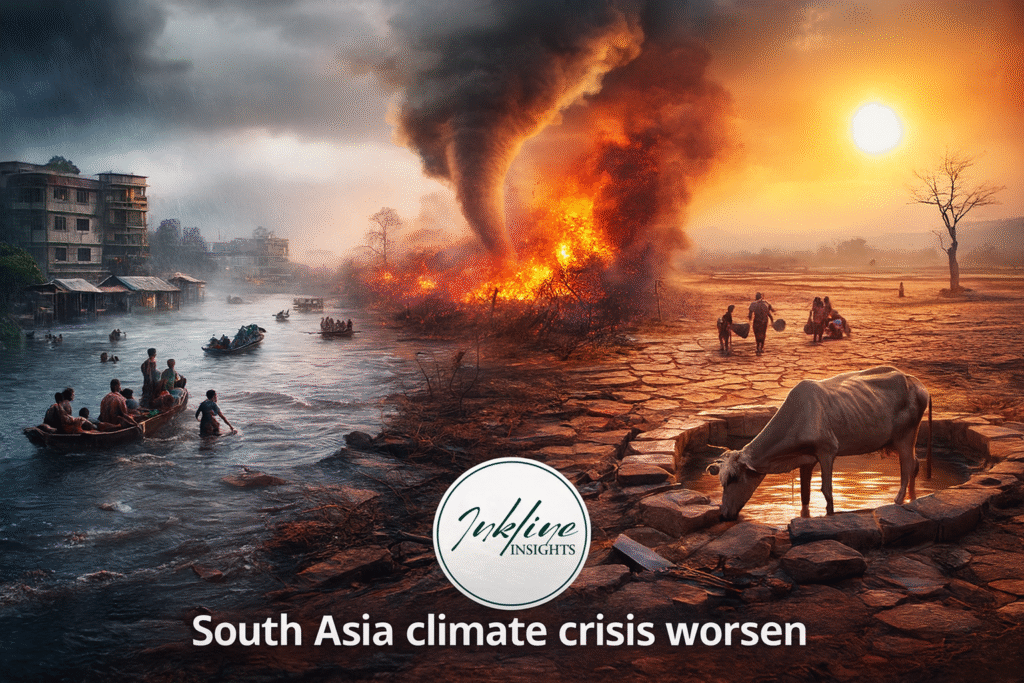
South Asia’s climate crisis is worsening rapidly in 2025, with floods, water shortages, and extreme weather events becoming more frequent and more destructive. Countries like Pakistan, India, Bangladesh, Nepal, and Sri Lanka are experiencing record-breaking heatwaves and unpredictable monsoon patterns that disrupt agriculture and threaten millions of livelihoods. Scientists warn that rising temperatures in the Indian Ocean are amplifying cyclones and altering rainfall cycles, leaving densely populated regions increasingly vulnerable. The combination of rapid urbanization and weak climate infrastructure further intensifies the impact on local communities.
Major river systems such as the Indus, Ganges, and Brahmaputra are at the center of growing water stress. Glacial melt in the Himalayas, driven by higher temperatures, is initially causing flash floods but is also expected to reduce long-term water availability for hundreds of millions of people. Rural areas dependent on agriculture are witnessing crop losses due to erratic rains and prolonged droughts, driving food insecurity and forcing migration to already overburdened cities. Governments across the region are under mounting pressure to strengthen water management and invest in climate-resilient technologies to prevent further economic damage.
Extreme flooding remains one of the region’s most persistent threats. Seasonal monsoons that used to be predictable now bring sudden cloudbursts and urban flooding, submerging infrastructure and displacing millions. Bangladesh and Pakistan, in particular, have seen entire districts inundated, with experts attributing much of the destruction to poor drainage systems and unchecked development in flood-prone zones. The financial cost of climate-driven disasters is rising sharply, stretching national budgets and slowing overall economic growth.
Climate experts warn that without coordinated regional action, South Asia could face even more severe consequences in the coming decade. Cross-border cooperation on river systems, renewable energy expansion, and early warning systems is becoming essential as climate patterns grow more volatile. While several nations have initiated adaptation strategies, implementation remains slow compared to the scale of the threat. The worsening climate crisis not only jeopardizes human security but also poses long-term risks to regional stability and development.
-
Deadly Pakistan–Taliban Border Clash Sparks Renewed Fears of Escalation

A deadly clash between Pakistani security forces and Taliban fighters along the border has reignited fears of a broader escalation in one of the region’s most volatile zones. According to local reports, the confrontation erupted after militants attempted to infiltrate a high-security area, prompting a swift military response. Heavy gunfire, mortar exchanges, and ground assaults resulted in multiple casualties on both sides, marking one of the most serious incidents in recent months. Residents living near the frontier described hours of intense fighting, with many families forced to take shelter as the situation rapidly deteriorated.
This latest violence comes at a time when Pakistan has repeatedly raised concerns about the growing presence and mobility of Taliban-linked groups operating near the frontier. Islamabad has long maintained that cross-border militant activity is undermining national security, especially as attacks on military convoys and checkpoints continue to rise. The deadly clash has amplified these concerns, with officials warning that unchecked militant movement could embolden extremist factions and destabilize already fragile border districts. The situation is further complicated by rugged terrain that makes surveillance and response operations difficult.
Analysts argue that the clash highlights deeper structural tensions between Pakistan and the Taliban authorities across the border. Despite ongoing communication, both sides often disagree on how to manage militant networks and enforce security protocols. Pakistan accuses Taliban factions of providing safe havens to groups targeting its forces, while Taliban officials deny direct involvement and blame the violence on historical border disputes. This persistent mistrust has made de-escalation challenging, increasing the risk that similar confrontations could erupt again with little warning.
Security experts warn that without a coordinated effort to address cross-border militancy, the region could face a new wave of instability. The latest clash has already heightened alert levels among Pakistani forces, leading to tightened movement controls and increased patrols. Observers stress that diplomatic engagement, intelligence sharing, and clear enforcement mechanisms are essential to prevent further violence. As tensions rise, communities along the border remain caught in the middle—living with uncertainty as fears of a larger escalation grow.
-
Green Packaging Innovations: Eco-Friendly Materials Shaping a Sustainable Future
Green packaging is a game-changer for businesses looking to reduce their environmental footprint. It’s all about using eco-friendly materials and designs that minimize waste and pollution.

Eco-Friendly Packaging Solutions
- Recycled Materials: Use recycled paper, cardboard, or plastics to reduce waste.
- Biodegradable Alternatives: Explore bioplastics, jute bags, or mushroom-based packaging.
- Minimalist Designs: Simplify packaging to save resources and reduce costs.
Benefits of Green Packaging
- Reduce Greenhouse Gas Emissions: Sustainable packaging lowers carbon footprint.
- Conserve Natural Resources: Eco-friendly materials and designs reduce waste.
- Boost Brand Reputation: Customers love brands that care about the environment.
Implementing Green Packaging
- Assess Your Packaging: Identify areas for improvement.
- Choose Sustainable Materials: Select eco-friendly materials that meet business needs.
- Communicate with Customers: Share green packaging initiatives to build trust and loyalty.
-
Environment and Global Warming: Key Causes, Impacts, and Future Solutions
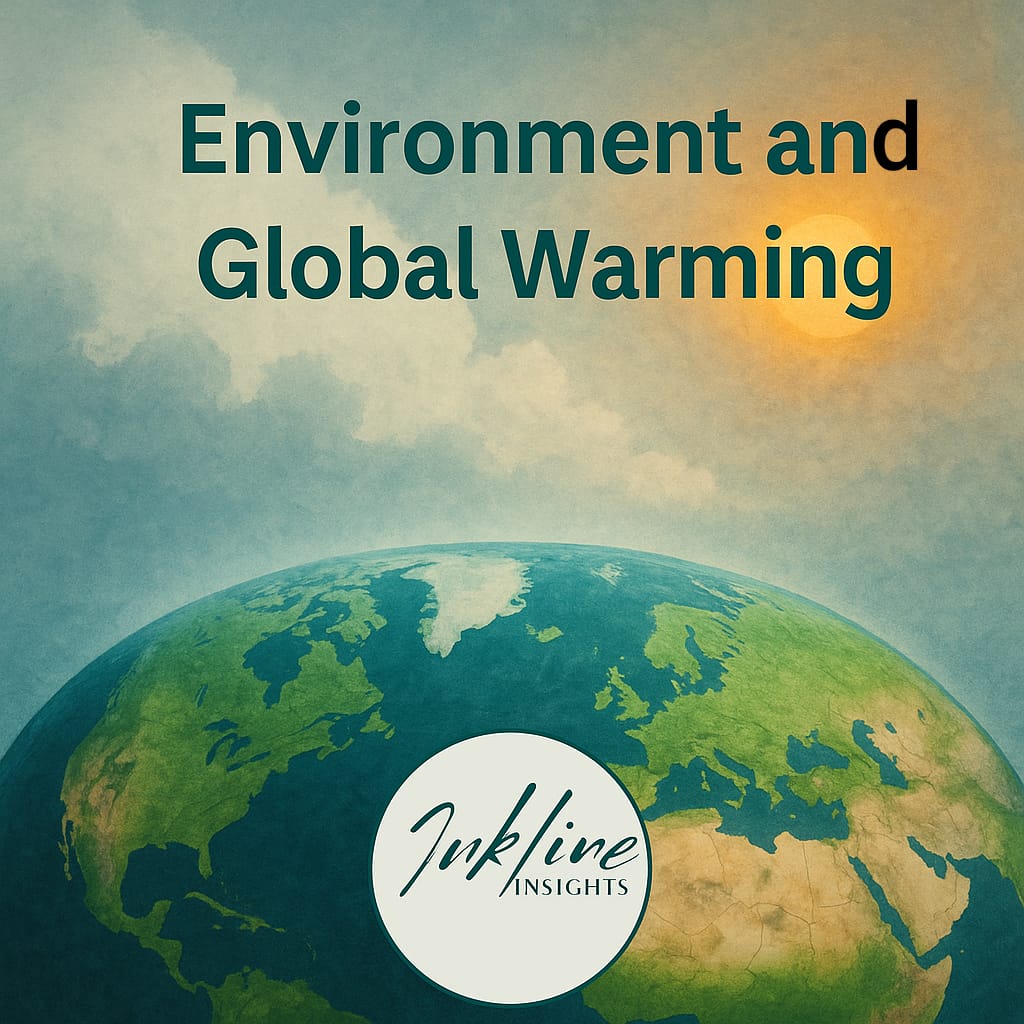
Global warming has become one of the most urgent environmental challenges of the 21st century. As climate patterns shift and natural systems come under pressure, scientists warn that the window to prevent irreversible damage is closing rapidly. Today, rising temperatures, extreme weather, and declining ecosystems pose serious threats not only to the planet but also to human health, food security, and economic stability. Understanding the causes, impacts, and solutions to global warming is essential for governments, industries, and individuals who aim to build a sustainable future.
What Is Global Warming?
Global warming refers to the long-term increase in Earth’s average temperature primarily caused by the buildup of greenhouse gases—such as carbon dioxide, methane, and nitrous oxide—in the atmosphere. These gases trap heat, leading to the greenhouse effect, which intensifies as emissions continue to rise due to human activities
Major Causes of Global Warming
- Burning of Fossil Fuels
Power plants, transportation, and industrial activities are the largest contributors to carbon emissions. Countries dependent on coal and oil experience the highest rise in atmospheric pollution.
- Deforestation
Forests act as natural carbon sinks. When millions of trees are cut down for farming, urbanization, and timber, CO₂ levels increase significantly.
- Industrial Production
Factories release gases, chemicals, and pollutants that degrade air quality and contribute to global temperature rise.
- Agricultural Activities
Livestock farming and large-scale agriculture release methane and nitrous oxide—two potent greenhouse gases.
Current Facts & Figures (2025)
Global temperatures are now 1.1°C higher than pre-industrial levels.
The world must reduce emissions by 45% by 2030 to avoid crossing the 1.5°C temperature limit.
More than 70% of natural disasters in recent years are linked to climate change.
The past decade has been the warmest ever recorded in human history.
These numbers highlight the critical need for immediate global action.
Impacts of Global Warming on the Environment
- Extreme Weather Events
Heatwaves, floods, wildfires, droughts, and powerful storms are becoming more frequent and intense.
- Melting Glaciers & Rising Sea Levels
Ice loss in the Arctic and Antarctic has accelerated, increasing the risk of coastal flooding and loss of habitable land.
- Ocean Acidification
Excess CO₂ is absorbed by oceans, harming coral reefs, marine species, and global fish populations.
- Loss of Biodiversity
Thousands of plant and animal species are threatened due to changing habitats and rising temperatures.
5. Impact on Human Health
Air pollution, heat stress, and contaminated water lead to respiratory illnesses, dehydration, and the spread of infectious diseases.
Solutions to Combat Global Warming
- Transition to Renewable Energy
Solar, wind, hydropower, and other renewables can significantly cut carbon emissions and reduce dependency on fossil fuels.
- Reforestation & Afforestation
Planting billions of trees worldwide restores ecosystems and improves carbon absorption.
- Sustainable Transportation
Electric vehicles, public transport, and non-motorized mobility can greatly reduce urban emissions.
- Energy-Efficient Technologies
Smart grids, green buildings, and low-energy appliances help lower consumption and environmental impact.
- Waste Reduction & Recycling
Recycling materials, reducing single-use plastics, and promoting circular economy practices help protect ecosystems.
- Climate Education & Policy Support
Strong government policies, carbon taxes, and environmental education encourage wider participation in climate action.
Global Warming and Its Impact on Pakistan
Pakistan is among the countries most vulnerable to climate change, facing severe floods, heatwaves, water scarcity, and glacial melt. The 2022 floods alone displaced millions of people and caused billions in damages—highlighting the urgent need for climate resilience. Rising temperatures also threaten agriculture, which employs a large portion of the population. Investments in clean energy, reforestation programs like the Billion Tree initiative, and improved water management systems are essential for Pakistan’s future sustainability.
Conclusion: A Collective Responsibility
Global warming is no longer a distant concern—it is a present reality affecting every continent and community. While the challenge is enormous, solutions are within reach if the world works together. By adopting renewable energy, protecting forests, implementing sustainable policies, and making eco-conscious choices, humanity can slow climate change and preserve the environment for future generations. The time for action is now, and every effort—big or small—brings us closer to a greener, safer planet.
-
Why We Don’t Fully Mature Until Our 30s: Scientists Identify Key Brain Milestones

A new Cambridge University study reveals that adolescence lasts until age 32, showing the brain develops in five major stages: childhood, adolescence, adulthood, early ageing, and late ageing. Using MRI scans from 4,000 people, researchers identified key turning points at ages 9, 32, 66, and 83, highlighting how brain wiring, efficiency, and mental health risks change across life. The findings explain why cognitive abilities peak in the early 30s and why conditions like dementia become more common later in life.
This study is a powerful reminder that human development is far more complex and stretched out than we once believed. The idea that adolescence extends into the early 30s challenges long-held social expectations—like having everything “figured out” in your twenties. It supports what many people already feel: that emotional maturity, identity formation, and cognitive peak continue well past the teenage years.
Scientifically, the findings make sense. The brain’s wiring becoming more efficient up to age 32 aligns with real-world behavior—people often gain clarity, confidence, and stability around that time. It also helps explain why mental health struggles frequently emerge in late teens and twenties, when the brain is undergoing intense reorganization.
What’s most interesting is how these brain phases line up with major life transitions: puberty, early-career struggles, parenthood, midlife stability, and the gradual cognitive shifts of older age. It suggests our biology may be more tightly connected to our social milestones than we realized.
However, it’s important to remember that these age markers aren’t strict rules. People develop differently based on environment, lifestyle, mental health, and life experiences. The study gives a framework, not a fixed timeline.
Overall, it’s a fascinating step forward that may change how we think about education, mental health, career pressure, and ageing itself.
-
🌍 How the World Could End: Scientific Possibilities Explained 🔥⚡🌪️

Humanity has always wondered how the world might end. From ancient myths to modern science fiction, the idea has captured our imaginations for centuries. But beyond the stories, scientists have studied real-world scenarios that could change life as we know it.
This blog explores these possibilities in an educational, non-fearful, and fascinating way — helping us understand our planet better. 🌎💡
🌋 1. Supervolcano Eruptions — Nature’s Biggest Explosion
Deep beneath Earth’s surface lie supervolcanoes, capable of eruptions far larger than anything in recorded history.
If one of these erupted, it could:- Darken the sky with ash ☁️
- Cause global cooling ❄️
- Affect crops and climate for years 🌾
While extremely rare, they remind us of Earth’s powerful natural forces.
☄️ 2. Asteroid Impact — A Cosmic Strike
Scientists believe a massive asteroid ended the age of dinosaurs. 🦖
A large asteroid hitting Earth today could:- Trigger giant tsunamis 🌊
- Create a fireball shockwave 🔥
- Affect global weather 🌦️
Thankfully, space agencies track thousands of objects to keep Earth safe. 🔭🛰️
🌡️ 3. Climate Change — Slow but Serious
Climate change isn’t sudden — but its effects could dramatically reshape the planet.
Possible consequences include:- Rising sea levels 🌊
- Hotter temperatures ☀️
- Extreme weather storms 🌪️
But there’s good news: humans CAN slow it down through renewable energy, conservation, and global cooperation. 💚⚡
🧬 4. Pandemics — Microscopic Threats
History has shown that viruses can spread rapidly.
Future pandemics could:- Strain healthcare systems 🏥
- Disrupt travel and economies 🌍✈️
However, medical technology is improving faster than ever — vaccines, AI-based detection, and global awareness make us stronger than before. 💉🤖
🤖 5. Artificial Intelligence Misuse — A Technological Risk
AI is powerful — it can help diagnose diseases, predict disasters, and enhance daily life.
But if misused, it could create:- Security risks 🔐
- Economic disruptions 💼
That’s why scientists emphasize responsible development, safety systems, and global guidelines. 🛡️🌐
🔥 6. Nuclear Conflict — Human-Made Disaster
Nuclear conflict remains a serious global concern.
Such an event could:- Cause massive destruction instantly 💥
- Damage the environment long-term 🌫️
Thankfully, peace treaties, diplomacy, and global cooperation work to prevent such catastrophes.
🌞 7. The Sun’s Future — Billions of Years Away
Our Sun is stable — but like all stars, it will eventually run out of fuel.
In 5 billion years, it may expand into a red giant. 🔴🌞
This will:- Make Earth too hot for life ☀️🔥
- Eventually swallow the inner planets
This is far beyond human timescales, but it reminds us that nothing in the universe is truly permanent.
🌪️ 8. Extreme Natural Disasters — Earth’s Unpredictable Side
Earth constantly shifts and changes. Other potential global disasters include:
- Mega-earthquakes 🌍💥
- Gamma-ray bursts from space 💫
- Magnetic pole shifts 🧭
These are extremely rare but fascinating topics for scientists to study.
🌟 Is the World Ending Soon?
No.
Most of these scenarios are incredibly rare or far in the future.
Scientists study them not to scare us, but to help protect humanity and understand our universe better. 🧠🔬Modern technology, global cooperation, and scientific progress make us more prepared than any generation before.