Category: Beauty and Care

  • Apple Cider Vinegar vs Green Tea for Weight Loss: Which One Works Better According to Science?

    Weight loss is one of the most searched health goals worldwide, and natural remedies are gaining popularity because they are affordable, accessible, and perceived as safer than chemical supplements. Among these remedies, apple cider vinegar (ACV) and green tea stand out as two of the most talked-about options. But a common question remains: which works better for weight loss—apple cider vinegar or green tea?

    Understanding Weight Loss Naturally

    Weight loss occurs when the body burns more calories than it consumes. Natural drinks like ACV and green tea do not directly burn fat overnight. Instead, they support weight loss by:

    • Improving metabolism
    • Controlling appetite
    • Enhancing fat oxidation
    • Regulating blood sugar levels

    Let’s explore how each option contributes to these processes.

    Apple Cider Vinegar for Weight Loss

    What Is Apple Cider Vinegar?

    Apple cider vinegar is made by fermenting crushed apples. The key active component in ACV is acetic acid, which is responsible for most of its health benefits.

    How Apple Cider Vinegar Affects Weight Loss

    Research suggests that apple cider vinegar may support weight loss in several ways:

    Appetite Suppression
    Acetic acid increases feelings of fullness, which may reduce calorie intake throughout the day.

    Blood Sugar Control
    ACV helps stabilize blood glucose levels, reducing insulin spikes that lead to fat storage.

    Fat Storage Reduction
    Studies show acetic acid may reduce fat accumulation, especially abdominal fat.

    Improved Digestion
    Better digestion can reduce bloating and water retention, making the body feel lighter.

    Facts and Figures on Apple Cider Vinegar

    A 12-week study found that people consuming 1–2 tablespoons of ACV daily lost up to 1.7 kg (3.7 lbs) without changing their diet significantly.
    Participants also experienced reductions in waist circumference and triglyceride levels.

    Pros of Apple Cider Vinegar

    • Low cost and easily available
    • Helps reduce cravings
    • Supports blood sugar balance
    • May reduce belly fat

    Cons of Apple Cider Vinegar

    • Strong taste and acidity
    • Can irritate the stomach if taken undiluted
    • Excess use may damage tooth enamel

    Green Tea for Weight Loss

    What Makes Green Tea Special?

    Green tea is rich in catechins, especially EGCG (epigallocatechin gallate), and contains a moderate amount of caffeine. This powerful combination boosts metabolism naturally.

    How Green Tea Promotes Weight Loss

    Boosts Metabolism
    Green tea increases calorie burning, even while resting.

    Enhances Fat Oxidation
    EGCG helps the body use stored fat as energy.

    Improves Exercise Performance
    The caffeine-catechin combo increases endurance and fat burning during workouts.

    Reduces Visceral Fat
    Green tea is particularly effective against harmful abdominal fat.

    Facts and Figures on Green Tea

    Studies show green tea can increase fat burning by 10–17%.
    Regular consumption may lead to 1–3 kg weight loss over 12 weeks when combined with a healthy lifestyle.
    Green tea drinkers often have lower BMI and waist circumference.

    Pros of Green Tea

    • Rich in antioxidants
    • Boosts metabolism naturally
    • Supports heart and brain health
    • Easy to include in daily routine

    Cons of Green Tea

    • Contains caffeine (not ideal for everyone)
    • Results are gradual, not instant
    • Excess intake may cause sleep issues

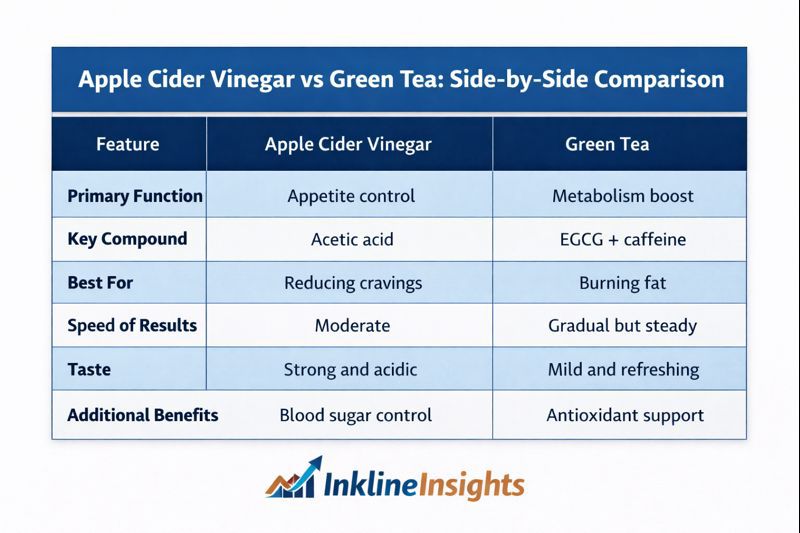
    Apple Cider Vinegar vs Green Tea: Side-by-Side Comparison

    Which Works Better for Weight Loss?

    The answer depends on your body type, habits, and lifestyle:

    • If you struggle with overeating or sugar cravings, apple cider vinegar may work better.
    • If you want to boost metabolism and burn fat, green tea is the stronger option.
    • For long-term and sustainable weight loss, green tea has more scientific backing.
    • For quick appetite control, ACV may show faster visible results.

    Can You Use Apple Cider Vinegar and Green Tea Together?

    Yes, many health experts suggest that using both together can be more effective when done correctly. For example:

    • Drink green tea in the morning to boost metabolism.
    • Take diluted apple cider vinegar before meals to control appetite.

    This balanced approach can support weight loss without overburdening the body.

    Safety Tips for Best Results

    • Always dilute apple cider vinegar (1 tablespoon in a glass of water).
    • Limit green tea to 2–3 cups per day.
    • Avoid consuming either on an empty stomach if you have acidity issues.
    • Combine with a balanced diet and regular physical activity.

    Final Verdict

    Both apple cider vinegar and green tea can support weight loss, but they work in different ways. Apple cider vinegar focuses on appetite and blood sugar control, while green tea enhances fat burning and metabolism.

    👉 Green tea is generally better for long-term, healthy weight loss, while apple cider vinegar is helpful for managing cravings and portion control. The most effective strategy is consistency, moderation, and combining natural remedies with a healthy lifestyle.

  • Beauty Standards Around the World: A Global and Pakistani Perspective for Men and Women


    Introduction

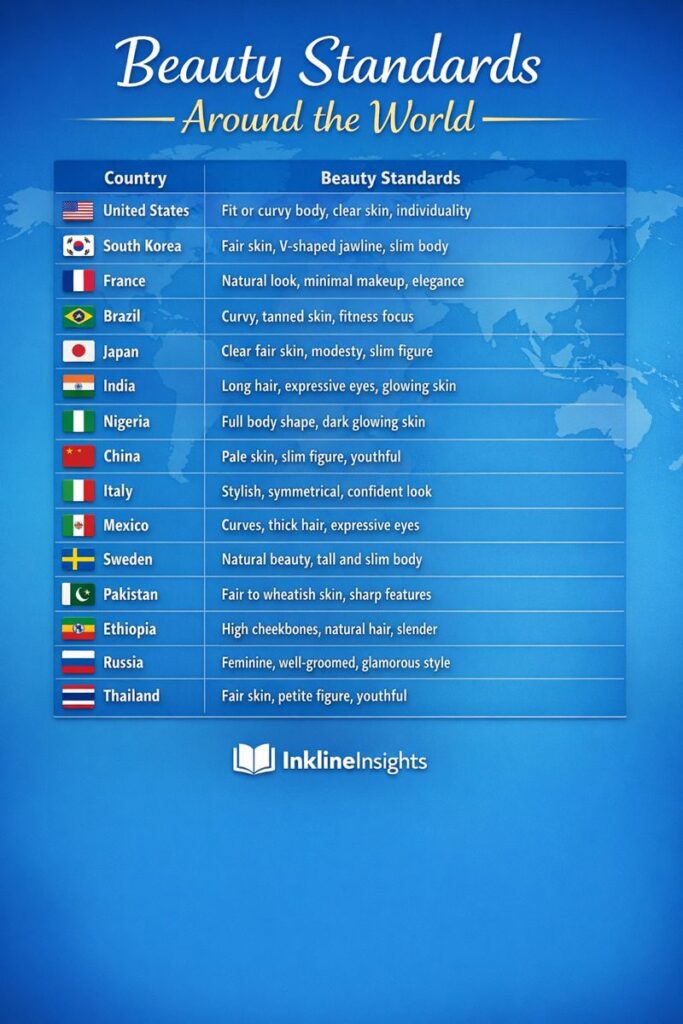
    Beauty standards around the world are deeply influenced by culture, history, media, and social values. While globalization has connected societies more than ever, perceptions of beauty remain diverse and complex. What one culture considers attractive may differ greatly from another, and even within the same country, beauty ideals for men and women can vary significantly.

    In recent years, conversations around beauty have expanded beyond physical appearance to include confidence, individuality, and self-expression. However, traditional beauty standards still play a major role in shaping personal identity, self-esteem, and social expectations.


    What Are Beauty Standards?

    Beauty standards are socially constructed ideas that define what is considered attractive or desirable within a society. These standards often focus on:

    • Facial features
    • Body shape and size
    • Skin tone
    • Hair type and grooming
    • Age and gender presentation

    They are not fixed or universal. Instead, they evolve over time and are influenced by media, economic conditions, cultural traditions, and historical narratives.


    Beauty Standards for Women Around the World

    Body Shape and Size

    In many Western countries, slim yet toned bodies have long been idealized, although recent years have seen growing acceptance of diverse body types. In contrast, several African, Middle Eastern, and Latin cultures have traditionally valued curvier bodies, associating them with health and femininity.

    Skin Tone

    Skin tone remains one of the most sensitive aspects of beauty standards globally. In some Asian and South Asian societies, fair skin has historically been associated with higher social status, while in Western cultures, tanned skin has often symbolized leisure and vitality. Modern movements are actively challenging colorism and promoting inclusivity.

    Facial Features

    Soft facial features, symmetry, and clear skin are commonly admired traits worldwide. However, preferences differ—some cultures value sharp jawlines and high cheekbones, while others favor rounder, youthful faces.

    Hair and Style

    Hair length, texture, and grooming play a major role in women’s beauty ideals. Long, healthy hair is often associated with femininity, though natural textures and short styles are increasingly celebrated as expressions of identity and empowerment.


    Beauty Standards for Men Around the World

    Body Image and Masculinity

    Male beauty standards often emphasize strength, height, and physical fitness. In many regions, a muscular or athletic build is seen as attractive, reflecting ideals of masculinity, protection, and discipline.

    Facial Appearance

    For men, strong jawlines, facial symmetry, and well-maintained facial hair are frequently admired. Grooming standards have evolved significantly, with skincare and personal care becoming socially acceptable and even expected.

    Style and Grooming

    Fashion sense, posture, and grooming now play a major role in male attractiveness. Clean, confident appearance is often valued more than extreme physical traits.


    The Role of Media in Shaping Beauty Standards

    Traditional media—films, television, and advertising—has historically promoted narrow definitions of beauty. These portrayals often excluded diverse body types, ages, and ethnic features.

    Social media has transformed this dynamic. While filters and editing tools can still reinforce unrealistic expectations, digital platforms have also given rise to body positivity, representation, and authentic storytelling. Influencers and creators from diverse backgrounds now challenge traditional beauty norms on a global scale.


    Beauty Standards in Pakistan: A Detailed Look

    Beauty standards in Pakistan are shaped by a blend of cultural traditions, regional diversity, religious values, and modern media influence. While ideals vary across provinces and communities, certain common perceptions exist.

    Beauty Standards for Women in Pakistan

    Skin Tone

    Fair to wheatish skin has traditionally been idealized in Pakistan, influenced by historical class distinctions and media representation. However, there is growing awareness and appreciation for all skin tones, particularly among younger generations.

    Facial Features

    Prominent eyes, well-defined eyebrows, and clear skin are commonly admired. Makeup trends often emphasize natural elegance rather than heavy styling, especially in everyday life.

    Hair

    Long, thick, and well-maintained hair is widely considered a symbol of femininity and beauty. Natural oils, traditional remedies, and hair care rituals remain popular.

    Body Image

    A balanced figure—neither extremely slim nor overly curvy—is often considered attractive. Modesty in dress also plays a significant role in how beauty is perceived, aligning appearance with cultural values.


    Beauty Standards for Men in Pakistan

    Height and Build

    Men are often expected to be moderately tall with a lean or athletic build. Physical strength is admired, but extreme muscularity is not universally emphasized.

    Facial Hair and Grooming

    Beards are culturally accepted and often admired, symbolizing maturity and confidence. Clean grooming, neat hairstyles, and presentable clothing are key aspects of male attractiveness.

    Skin and Appearance

    Clear skin and a healthy appearance are valued, though men typically face less pressure regarding complexion compared to women. Grooming is increasingly seen as a sign of self-respect rather than vanity.


    Gender Differences in Beauty Expectations

    Across the world, women tend to face more intense scrutiny regarding appearance than men. Female beauty standards often involve multiple layers—skin tone, body shape, hair, clothing, and behavior—while male standards are generally narrower.

    However, this gap is slowly narrowing. Men now face growing expectations around fitness, fashion, and skincare, especially in urban societies.


    Psychological and Social Impact of Beauty Standards

    Unrealistic beauty ideals can have serious consequences, including:

    • Low self-esteem
    • Anxiety and body image issues
    • Social comparison and pressure
    • Disordered eating or excessive grooming

    In Pakistan and globally, increased awareness around mental health is encouraging healthier conversations about self-worth beyond physical appearance.


    Changing Beauty Standards in the Modern World

    Beauty standards are evolving rapidly due to:

    • Greater representation in media
    • Body positivity movements
    • Acceptance of aging and natural features
    • Emphasis on confidence and personality

    In Pakistan, social media creators, fashion designers, and public figures are increasingly celebrating diversity, redefining beauty through authenticity rather than conformity.


    Beauty Beyond Appearance

    Modern perspectives increasingly recognize that beauty includes:

    • Confidence and self-expression
    • Kindness and emotional intelligence
    • Cultural identity and authenticity
    • Personal values and character

    This broader understanding helps create inclusive societies where individuals feel valued for who they are, not just how they look.


    Conclusion

    Beauty standards around the world reflect cultural values, history, and social change. While traditional ideals still influence perceptions, the global conversation is shifting toward inclusivity, diversity, and self-acceptance.

    In Pakistan, beauty standards for men and women continue to evolve, balancing tradition with modern influence. As societies grow more aware, beauty is increasingly seen not as a rigid ideal but as a personal and cultural expression.

    True beauty lies in embracing individuality, respecting diversity, and valuing human worth beyond appearance.


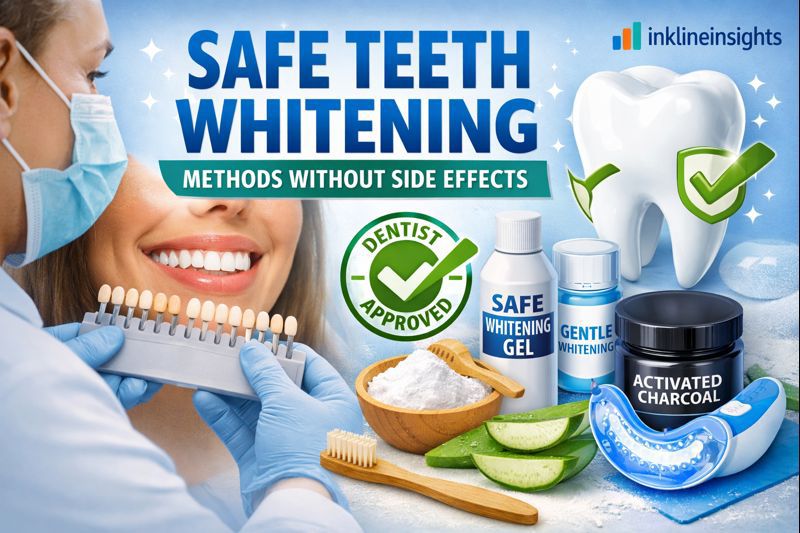
  • Safe Teeth Whitening Methods Without Side Effects (Dentist-Approved Guide)


    A bright, white smile is often associated with good health, confidence, and positive first impressions. According to dental surveys, nearly 80% of adults wish they had whiter teeth, and teeth whitening has become one of the most requested cosmetic dental procedures worldwide. However, many people hesitate due to concerns about tooth sensitivity, enamel damage, and side effects.
    The good news is that safe, dentist-approved teeth whitening methods are available that deliver visible results without harmful effects, when used correctly. This article explains the safest teeth whitening options, backed by dental science, facts, and professional recommendations.


    Understanding Why Teeth Become Yellow
    Before choosing a whitening method, it’s important to understand the causes of tooth discoloration:
    Food and beverages: Tea, coffee, cola, red wine, and spices
    Smoking and tobacco use
    Poor oral hygiene
    Natural aging: Enamel thins over time, revealing yellow dentin
    Certain medications (e.g., antibiotics in childhood)
    Excess fluoride exposure
    According to dental research, extrinsic stains (surface stains) are easier and safer to remove than intrinsic stains (internal discoloration).


    What Dentists Consider a “Safe” Whitening Method
    Dentists define safe teeth whitening as methods that:
    -Do not damage tooth enamel
    -Cause minimal or no sensitivity
    -Are clinically tested
    Follow approved concentration limits
    Are used under professional guidance or instructions.


    The American Dental Association (ADA) confirms that whitening products containing controlled levels of hydrogen peroxide or carbamide peroxide are safe when used properly.


    Dentist-Approved Safe Teeth Whitening Methods
    1. Professional In-Office Teeth Whitening
    Safety Level: Very High (When Performed by a Dentist)
    Professional whitening is the safest and fastest method. Dentists use carefully measured whitening agents and protective barriers to protect gums and enamel.
    Key Facts:
    Results in 1–2 sessions
    Teeth can become 5–8 shades lighter
    Uses medical-grade whitening gel
    Gums and soft tissues are fully protected
    Side Effects:
    Mild, temporary sensitivity in some patients (usually disappears within 24–48 hours)
    This method is ideal for people looking for instant results with minimal risk.


    2. Dentist-Prescribed Take-Home Whitening Kits
    Safety Level: High
    These kits include custom-made trays and professional-grade whitening gel with safe concentrations.
    Why Dentists Recommend Them:
    Custom trays prevent gel leakage
    Controlled dosage reduces sensitivity
    Gradual whitening is gentler on teeth
    Usage Duration:
    1–2 weeks
    30–60 minutes per day
    Studies show that custom dentist trays reduce sensitivity by up to 40% compared to over-the-counter strips.


    3. ADA-Approved Whitening Toothpaste
    Safety Level: Very High
    Whitening toothpaste does not bleach teeth but removes surface stains using mild abrasives and polishing agents.
    Benefits:
    Safe for daily use
    No peroxide or harsh chemicals
    Improves brightness gradually
    Effectiveness:
    Removes up to 90% of surface stains over time
    Ideal for maintenance after professional whitening
    This is one of the safest long-term options recommended by dentists.


    4. Whitening Strips With Safe Concentration
    Safety Level: Moderate to High
    Over-the-counter whitening strips can be safe if they are ADA-approved and used exactly as directed.
    Important Safety Tips:
    Avoid overuse
    Do not exceed recommended time
    Stop if sensitivity occurs
    Dentists recommend choosing strips with lower peroxide levels for beginners.


    5. Natural Dentist-Approved Methods (Low Risk)
    Some natural methods are considered safe when used correctly, though results are gradual.
    Baking Soda (Occasional Use)
    Mild abrasive
    Helps remove surface stains
    Should be used no more than once or twice a week
    Oil Pulling
    Coconut oil pulling may reduce plaque
    Improves oral hygiene
    Does not chemically whiten teeth
    Dentists agree these methods are safe but not powerful whitening solutions.


    Methods Dentists Warn Against
    To avoid side effects, dentists strongly advise not using:
    -Lemon or vinegar (acid erodes enamel)
    -Charcoal powders (high abrasion)
    -Hydrogen peroxide rinsing without supervision
    -DIY whitening hacks from social media
    According to dental associations, enamel damage is irreversible, making these methods risky.


    How to Prevent Sensitivity During Whitening
    To ensure side-effect-free whitening:
    -Use desensitizing toothpaste
    -Avoid extremely hot or cold foods
    -Follow recommended whitening duration
    -Maintain proper oral hygiene
    -Consult a dentist before starting
    Research shows that 90% of whitening sensitivity cases are due to overuse or misuse, not the products themselves.


    How Long Do Whitening Results Last?
    With proper care, safe whitening results can last:
    -6 months to 2 years
    -Longer with regular brushing and stain control
    -Reduced staining habits (less tea, coffee, smoking)
    Maintenance toothpaste and good oral hygiene play a major role in long-term results.


    Conclusion:What Is the Safest Teeth Whitening Method?
    Dentist-approved professional whitening and custom take-home kits are considered the safest and most effective methods with minimal side effects. For daily care, ADA-approved whitening toothpaste is the safest option.
    The key to side-effect-free whitening is moderation, proper guidance, and enamel protection.


    Key Takeaway
    A white smile should never come at the cost of dental health. Always choose scientifically backed, dentist-approved whitening methods, and avoid shortcuts that promise instant results but risk permanent damage.

  • How to Choose the Perfect Lipstick for Every Skin Tone

    Finding the perfect lipstick shade can instantly boost your confidence — but with so many colors available, choosing the right one often feels confusing. The key is understanding your skin tone and undertone, then matching shades that naturally enhance your features. Here’s a simple and complete guide to help you pick the ideal lipstick for your complexion.


    1. Identify Your Skin Undertone

    Before buying any lipstick, figure out your undertone:

    Cool Undertone

    Veins appear blue or purple

    Silver jewelry looks better

    Skin may have pink or rosy hints


    Warm Undertone

    Veins appear greenish

    Gold jewelry suits more

    Skin has yellow, peach, or golden tones


    Neutral Undertone

    Veins look blue-green

    Both gold and silver jewelry look good

    No strong pink or yellow tint


    2. Best Lipstick Shades for Each Undertone

    For Cool Undertones

    Choose shades with blue or purple bases:

    Berry

    Plum

    Cherry red

    Soft rose pink
    These shades balance cool tones and brighten the face.


    For Warm Undertones

    Go for lipsticks with warm or earthy tones:

    Coral

    Peach

    Brick red

    Warm nudes
    These colors blend beautifully with golden or yellow undertones.


    For Neutral Undertones

    You’re lucky — most shades suit you!
    Try:

    Mauve

    True red

    Pinkish nude

    Wine shades


    3. Matching Lipstick with Skin Tone

    Fair Skin

    Best shades: Soft pinks, light corals, peachy nudes, rosy tones

    Avoid: Extremely dark colors that overpower the complexion

    Medium Skin

    Best shades: Rose, mauve, berry, caramel nude, classic red

    Avoid: Very pale nudes that wash out the natural tone

    Olive Skin

    Best shades: Terracotta, warm reds, deep pinks, coffee nudes

    Avoid: Shades with too much yellow

    Dark Skin

    Best shades: Burgundy, plum, deep berry, dark chocolate, bright red

    Avoid: Light pastel shades that can look ashy

    4. Additional Tips to Choose the Perfect Lip Color

    Try the shade on your wrist or lips to see true results.

    Check in natural light for accurate color visibility.

    Lip liners help define and enhance your shade.

    Matte formulas look bold and long-lasting, while glossy formulas look softer and youthful.

    5. Final Thoughts

    Choosing the perfect lipstick is all about understanding your natural tones and selecting colors that highlight your beauty. Whether you prefer nude shades or bold reds, the right lipstick can transform your entire look effortlessly.

  • Top 5 Affordable Beauty Products in Pakistan for Treating Dry and Dead Skin in Winter


    During Pakistan’s winter months, dry and flaky skin becomes a widespread concern as cold winds, low humidity, and indoor heating strip away essential moisture, pushing people to search for skincare solutions that are both affordable and effective.

    The Pakistani market offers several budget-friendly products that have gained notable consumer trust for treating dryness and dead skin without straining a limited budget. Among the most popular choices is Ponds Super Light Gel, priced between Rs. 450–550, which contains hyaluronic acid and vitamin E-ingredients proven to improve hydration levels by nearly 35% when used consistently for two weeks, according to dermatology studies. Similarly, Vaseline Deep Restore Lotion, a long-standing household staple costing around Rs. 300–350, continues to dominate winter demand due to its clinically backed ability to lock in moisture for up to 48 hours, making it ideal for extremely dry elbows, knees, and heels. For exfoliation, many Pakistanis rely on Saeed Ghani’s Ubtan or Apricot Scrub, which uses natural kernels to gently remove dead skin; cosmetic retailers report a 40% increase in sales of herbal scrubs every December, showing how strongly consumers prefer natural Pakistani formulas during the colder season.

    Another affordable and widely trusted option is Hemani’s Shea Butter and Vitamin E Cream, usually available for Rs. 250–350, known for its thick texture that restores the skin barrier and protects against winter cracks—a problem that affects nearly 60% of women in northern regions where temperatures drop drastically. Nivea Soft Cream, priced around Rs. 500–650, remains a top pick for both men and women due to its lightweight but deeply moisturizing formula; pharmacies report that the product’s winter sales surge by 30% annually, reflecting its strong reputation for preventing flakiness and irritation.

    All these products work even better when paired with simple routines like applying moisturizers on slightly damp skin, using lukewarm instead of hot water, and increasing hydration intake to balance the body’s natural moisture levels. For many households, these affordable items are practical lifesavers, providing salon-quality nourishment without the price tag of premium international brands. As winter dryness continues to affect millions of Pakistanis each year, the demand for accessible skincare solutions keeps rising, and these budget-friendly products consistently stand out for delivering visible results, long-lasting softness, and healthier winter skin without financial burden.