Education is the foundation of personal growth, social mobility, and economic development. However, the quality, exposure, and experience of education vary greatly depending on where and how students are educated. Village (rural) schools, city (urban) schools, and international schools represent three distinct educational environments, each with unique strengths, limitations, costs, and outcomes. Understanding these differences helps parents, educators, and policymakers make informed decisions that align with a child’s academic needs and long-term goals.
1. Definition & Overview
Village (Rural) Schools
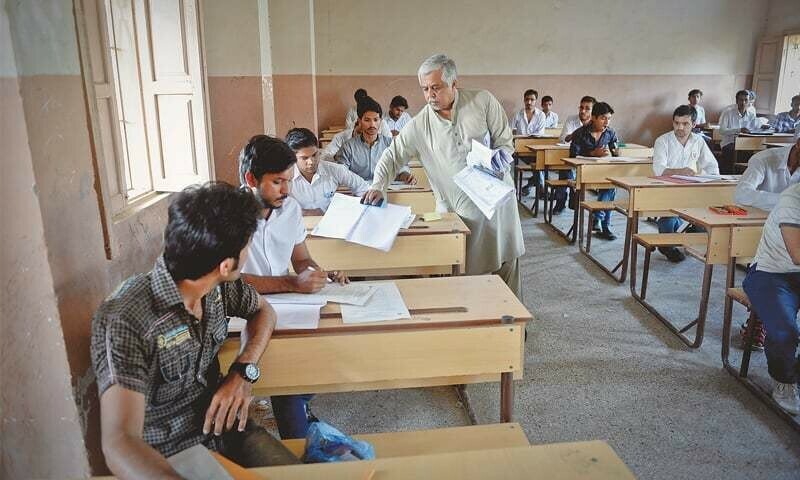
Village or rural schools are located in small towns and communities outside major urban centers. These schools often serve as the primary educational institutions for children in their locality. They are usually government-supported or low-fee community schools with limited funding and infrastructure. Enrollment sizes range from a few dozen to several hundred students, and these schools play a critical role in improving literacy and basic education in rural populations.
City (Urban) Schools
City schools are situated in metropolitan or urban areas and cater to a much larger and more diverse population. They can be public or private and serve students from various socioeconomic backgrounds. Compared to rural schools, urban schools generally have better access to educational resources, trained staff, and extracurricular opportunities.
International Schools
International schools are privately operated institutions that offer globally recognized curricula such as the International Baccalaureate (IB), Cambridge IGCSE, American, or British systems. These schools primarily serve expatriate families and local students seeking international education standards, often with English or bilingual instruction and a strong global outlook.
2. Curriculum & Academic Focus
Village Schools
Village schools typically follow national or regional education boards, focusing on core subjects such as mathematics, language, science, and social studies. Due to limited funding and staff, subject choices and specialized programs are often restricted. The emphasis is usually on basic literacy and foundational learning rather than advanced or diversified academic tracks.
City Schools
Urban schools offer broader and more flexible curricula. In addition to core subjects, many city schools provide elective courses, advanced academic tracks, vocational education, and exam preparation programs. Private urban schools, in particular, often emphasize competitive academics and skill-based learning.
International Schools
International schools focus on global education standards designed to prepare students for universities worldwide. These curricula emphasize critical thinking, inquiry-based learning, interdisciplinary studies, and global citizenship. Students are encouraged to develop analytical skills, creativity, and cultural awareness alongside academic excellence.
3. Infrastructure & Facilities
Village Schools
Infrastructure in rural schools is often limited. Many struggle with inadequate classrooms, outdated textbooks, minimal technology, and a lack of laboratories, libraries, or sports facilities. These limitations reflect broader challenges in rural development and public funding.
City Schools
City schools generally have better infrastructure, including proper classrooms, libraries, computer labs, and sports areas. However, disparities still exist within cities, where schools in low-income areas may face overcrowding and underfunding compared to those in affluent neighborhoods.
International Schools
International schools usually provide state-of-the-art facilities. These include modern classrooms, advanced science and computer labs, libraries, sports complexes, performing arts centers, and digital learning resources. Such infrastructure supports both academic and extracurricular excellence.
4. Teacher Quality & Professional Development
Village Schools
Rural schools often face difficulties in attracting and retaining qualified teachers. Limited incentives, fewer training opportunities, and challenging living conditions can affect teacher availability and performance. Teachers may handle multiple subjects and responsibilities due to staff shortages.
City Schools
Urban schools have access to a larger pool of trained educators. Professional development opportunities, workshops, and subject-specific training are more common, especially in private institutions. This generally results in improved teaching quality.
International Schools
International schools recruit highly qualified teachers from different countries. Continuous professional development, exposure to modern teaching methodologies, and smaller class sizes allow teachers to deliver personalized and high-quality instruction.
5. Class Size & Student-Teacher Ratio
Village Schools
Class sizes in rural schools are often smaller, which can allow for closer teacher-student interaction. However, limited resources and multitasking teachers may reduce the potential benefits of smaller classes.
City Schools
Urban public schools often have larger class sizes due to high enrollment, which can limit individualized attention. Private city schools may offer more balanced ratios, depending on fees and facilities.
International Schools
International schools typically maintain low student-teacher ratios, allowing for personalized learning, academic support, and emotional well-being monitoring.
6. Cultural Exposure & Diversity
Village Schools
Village schools usually serve homogenous communities where students share similar cultural, linguistic, and social backgrounds. While this fosters strong community bonds, exposure to diverse perspectives is limited.
City Schools
City schools benefit from greater cultural, ethnic, and socioeconomic diversity. Interaction with students from varied backgrounds enhances social awareness, tolerance, and real-world understanding.
International Schools
International schools are highly multicultural, bringing together students and teachers from multiple countries. This environment promotes global awareness, intercultural communication, and multilingual skills, which are essential in today’s interconnected world.
7. Extracurricular Activities & Holistic Growth
Village Schools
Extracurricular activities in rural schools are often limited due to resource constraints. Activities usually focus on basic sports, local cultural events, or simple arts programs.
City Schools
Urban schools offer a wider range of extracurricular options, including sports teams, debate clubs, science fairs, arts programs, and community service activities that support holistic development.
International Schools
International schools place strong emphasis on all-round development. Students participate in leadership programs, Model United Nations, service learning, international competitions, and exchange programs that build confidence and life skills.
8. Costs & Accessibility
Village Schools
Village schools are usually free or very affordable, supported by government or community funding. This makes them accessible to most families in rural areas.
City Schools
Public city schools are generally affordable, but private urban schools can be costly. Additional expenses may include transportation, uniforms, books, and extracurricular activities.
International Schools
International schools are the most expensive option. Tuition fees are high due to advanced facilities, foreign faculty, and global curricula. However, some schools offer scholarships or financial aid.
9. Student Outcomes & Future Opportunities
Village Schools
Students from rural schools may face challenges accessing higher education and competitive careers due to limited preparatory resources. However, strong foundational learning and community support can still lead to success.
City Schools
City schools generally provide better access to higher education, career guidance, and professional opportunities, particularly for students in well-resourced institutions.
International Schools
International schools prepare students for global universities and careers. Internationally recognized diplomas and global exposure give students a competitive edge in higher education and multinational work environments.
Conclusion
Choosing between village, city, and international schools is not about prestige alone but about aligning education with a child’s needs, family circumstances, and long-term goals. Village schools offer affordability and community-based learning, city schools balance resources and diversity, and international schools provide global exposure and advanced academic preparation. Each option has its strengths and limitations, and the best choice depends on thoughtful evaluation of educational quality, accessibility, and future aspirations.