Category: Entertainment & Media

  • Pakistan Identifies Network of Anti-State Social Media Accounts in Major Probe

    Pakistan has intensified its efforts to uncover digital networks accused of spreading “anti-state narratives,” marking one of the country’s most significant investigations into online propaganda in recent years. According to officials involved in the probe, data analysts and cybercrime units have been tracing patterns of coordinated activity across multiple platforms, including “X,” Facebook, and TikTok, where clusters of accounts were reportedly amplifying misleading stories, fabricated political claims, and content deemed harmful to national security. Investigators noted that many of these accounts displayed “synchronized posting behaviour,” suggesting central planning rather than organic user engagement, and their activity peaked during heightened political tensions, especially around major legal proceedings and government policy decisions. Authorities revealed that some of the traced accounts were operating behind VPNs and foreign IP addresses, complicating the tracking process, yet forensic cyber tools allowed teams to map posting frequencies, device fingerprints, and connection histories, leading to what officials describe as a “credible reconstruction” of the network’s structure. Sources within the inquiry claim that the number of accounts under observation has crossed “several hundred,” though the exact figure has not been officially disclosed, as the investigation is ongoing and additional user profiles are still being evaluated for links to coordinated digital manipulation.

    The probe also highlighted concerns regarding the rapid spread of unverified information, noting that manipulated screenshots, AI-generated images, and repurposed video clips played a major role in influencing online audiences. Analysts reported that some posts reached “tens of thousands of interactions within minutes,” indicating the presence of automated boosting or bot-like behaviour. Cybersecurity experts assisting the government suggested that at least a portion of these accounts may be tied to external actors seeking to exploit political divides for strategic gain, though this remains under verification. Meanwhile, digital rights groups have urged the government to ensure that the investigation distinguishes between malicious activity and legitimate political expression, warning against overreach in an already sensitive online environment.

    Officials stated that the ongoing inquiry aims not only to identify the individuals behind the accounts but also to evaluate the economic and political impact of the disinformation network, particularly its influence on public opinion during key national developments. As part of the operation, teams are compiling data on engagement patterns, geographical distribution of account origins, and the financial incentives that may be driving the creation of high-traffic misinformation pages. The government has also indicated plans to collaborate with international platforms to request metadata and enforce stricter monitoring of harmful content, a move that may shape the future of digital governance in the country.

    The investigation, still expanding in scope, signifies Pakistan’s attempt to confront the increasing sophistication of online influence campaigns, and officials argue that strengthening digital security is essential to national stability. However, the broader public debate continues over issues of transparency, data protection, and the potential implications for freedom of speech in a rapidly evolving social media landscape.

  • Green Entertainment Introduces a New Era of Dramas in Pakistan’s TV Industry

    Green Entertainment has redefined Pakistan’s TV landscape by introducing a slate of highly original and socially intelligent dramas such as “Siyaah Series,” “Abdullahpur Ka Devdas,” “Idiot,” “72 Hours,” “Kabli Pulao,” “Jeevan Nagar,” “College Gate,”and “Gunjal.” Each of these dramas represents the channel’s commitment to breaking away from formula-based storytelling and moving toward cinematic narratives grounded in cultural realities. “Kabli Pulao,” one of the network’s most celebrated productions, gained extraordinary traction for its sensitive portrayal of an unconventional marriage between an older Pakistani man and an Afghan girl—an idea rarely explored on mainstream TV. It became one of the most-discussed dramas online, recording more than 40 million combined digital views across platforms due to its heartfelt writing, subtle performances, and exploration of migration, identity, and human dignity. “Idiot,” starring Ahmed Ali Akbar, tackled the psychology of rebellion, addressing how young Pakistanis struggle with societal expectations; it resonated strongly with university students and recorded a significant 15% rise in viewership during its mid-season episodes. Similarly, “Abdullahpur Ka Devdas” brought a poetic, literature-inspired storyline back into mainstream attention, combining visually rich cinematography with themes of unfulfilled love and emotional rivalry, showcasing the channel’s ability to balance artistry with entertainment.

    Green Entertainment’s anthology horror-thriller “Siyaah Series”also marked a bold move, offering high-quality genre storytelling that Pakistani TV rarely attempts. Through allegorical supernatural tales, the series explored deep-rooted issues such as domestic trauma, mental illness, and moral corruption, making it both socially relevant and visually compelling. Meanwhile, “College Gate,” a youth-centered drama, accurately depicted modern student life, addressing peer pressure, class divides, friendship dynamics, and career anxieties; the show became widely followed by teenagers and young adults, indicating that Green Entertainment successfully tapped into an audience historically underserved by mainstream channels. “Jeevan Nagar,” starring Sohail Ahmed, delivered sharp political satire blended with small-town storytelling, subtly reflecting Pakistan’s socio-political tensions while maintaining humor and emotional grounding. “72 Hours” and “Gunjal” tackled crime, investigative journalism, and moral dilemmas, reinforcing the network’s commitment to realism and societal critique. These dramas collectively demonstrate that Green Entertainment is not only producing content but reshaping the ideological fabric of Pakistani television—moving it toward thoughtful conversation, psychological depth, and aesthetic elevation.

    Industry analysts reveal that since the release of these titles, Green Entertainment has achieved a remarkable 30–35% increase in digital audience retention, especially on YouTube where its storytelling style aligns with binge-watching behavior. Its scripts often undergo research-based development cycles, where writers map character arcs based on sociological studies, leading to narratives that mirror real Pakistani experiences rather than exaggerated melodrama. This modern approach, combined with the introduction of fresh faces and experimental directors, continues to position Green as Pakistan’s most progressive entertainment space. As audiences increasingly demand meaningful stories, authentic characters, and high production quality, Green Entertainment stands at the forefront of a cultural shift—one that may ultimately push the entire drama industry toward innovation and narrative courage.

  • “Lazwaal Ishq” Faces Criticism in Pakistan Despite Its Growing Viewership

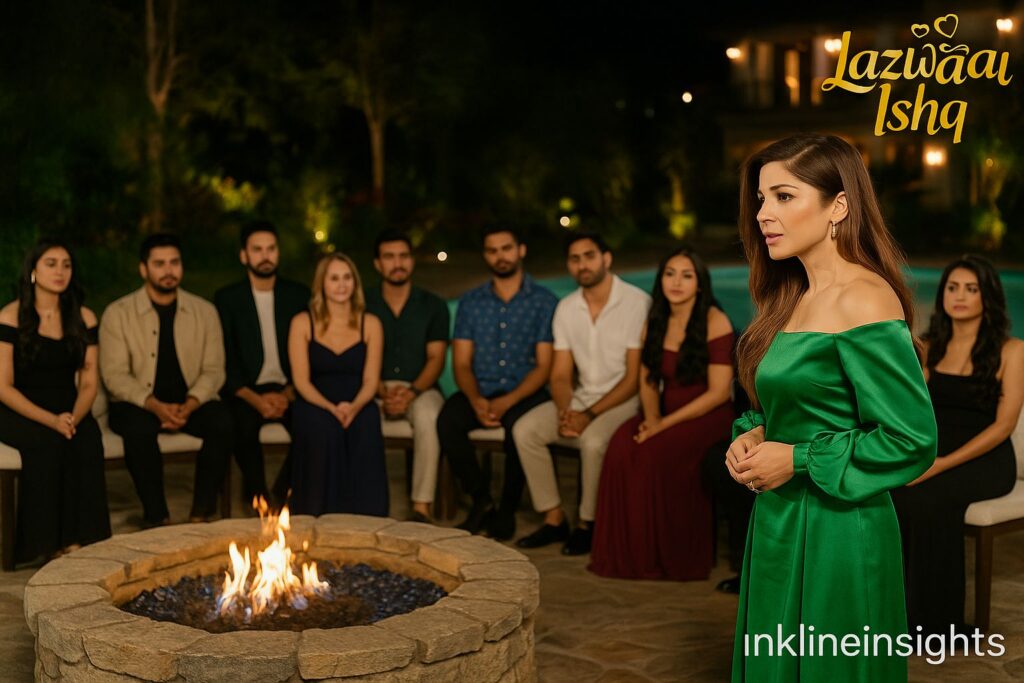
    “Lazwaal Ishq,” the new Urdu reality show hosted by Ayesha Umar, has become one of the most talked-about programs in Pakistan—not because it reflects local culture, but because it challenges it. The show attempts to introduce a Western-style love-based reality format to Pakistani viewers, placing contestants together in a glamorous villa setup where they interact, form connections, express emotions, and navigate attraction in front of the camera. While this formula works in many countries, it has sparked intense debate in Pakistan due to the country’s cultural, traditional, and religious expectations regarding modesty, privacy, and public displays of affection.

    In Pakistan’s cultural landscape, matters of love, relationships, and personal bonds are usually kept private and handled with a sense of dignity and restraint. For many viewers, a reality show centered entirely on public expressions of romance feels disconnected from social norms. Critics argue that the show gives visibility to a lifestyle that contradicts Islamic values and the conservative identity of Pakistani society. Several people online have stated that such formats do not align with the moral, ethical, or religious boundaries the country traditionally upholds, and for this reason, it has been labeled “misfit content” for the local environment.

    Despite the heavy criticism, an interesting contradiction has emerged. Even those who strongly oppose the show continue to watch it, react to it, and make reels, memes, and commentary videos about it. Their constant analysis and ongoing discussions are indirectly contributing to the show’s popularity and online reach. Viewers who claim they dislike the content are also the ones generating engagement by dissecting episodes, sharing clips, and uploading reaction videos. This cycle boosts the algorithm, increases visibility, and ultimately promotes the show. The irony is clear: if someone genuinely believes the show is harmful, culturally inappropriate, or against religious values, then the most logical response would be to stop watching it entirely. Watching something only to criticize it still counts as viewership and helps it grow.

    Public opinion on social media is divided, yet several repeating sentiments have surfaced among critics. Many argue that the format feels forced and borrowed from Western reality shows, making it appear out of touch with Pakistani values. Others express discomfort at scenes where contestants openly discuss attraction, emotions, or personal pasts. Some viewers say that the show intentionally uses glamour and controversy as tools to attract attention, rather than offering meaningful content. One common comment seen on social media is that “content like this may reflect global trends but has no place in a country built on modesty and Islamic guidelines.” Another viewer wrote that watching people compete for romantic attention on screen “feels awkward, unnatural, and unnecessary in a society where relationships are treated with seriousness and respect.”

    Even with these reactions, the show continues to receive significant traffic online. The digital generation, curious about new content forms, tends to click on episodes even if they disagree with them. As long as people keep watching it out of curiosity or criticism, the viewership numbers will stay strong. This reveals a broader truth about modern media: audience engagement—positive or negative—adds to a show’s momentum. The more people talk about Lazwaal Ishq, the more it spreads, regardless of whether the conversation is supportive or disapproving.

    In reality, Lazwaal Ishq may not represent Pakistani culture, nor does its format align with Islamic principles. For those who find it inappropriate, deliberately avoiding it would be the most effective form of protest. Continuing to watch it only contradicts the criticism and helps the program thrive. The show exists in a space between fascination and rejection, and its rise in viewership, despite widespread disapproval, highlights the complexity of how modern digital audiences consume and react to controversial content.

  • Bad Impacts of Cocomelon on Children: Are Mobile Rhymes Really Good for Kids?

    Many parents today use mobile rhymes and shows like Cocomelon to keep their children entertained, but experts have noticed that constant exposure to fast digital content can influence how young children think, react, and learn. Kids under the age of five are still developing their focus and emotional stability. When they watch videos that change scenes quickly, use bright flashing colors, and keep the pace extremely fast, their brains begin to expect the same level of stimulation all the time. As a result, normal daily experiences like playing with toys, listening to a story, or interacting with family members may start to feel boring in comparison.

    Some families have observed that their toddlers become easily frustrated when the screen is turned off. This is often a sign of overstimulation. One parent shared that her three-year-old son would watch Cocomelon for long periods and repeat its songs constantly, but he rarely used his own words to communicate. After reducing screen time and replacing it with simple conversations and outdoor play, she noticed that within a few weeks he began expressing his needs more clearly. Cases like this highlight the importance of balancing screen content with real-world interaction.

    Another concern involves emotional behavior. Shows designed for toddlers often solve problems instantly, use exaggerated reactions, or present every situation in an overly exciting way. Children who get used to such patterns sometimes struggle in real life where patience, waiting, and slow problem-solving are normal. A kindergarten teacher mentioned that several children who watched high-stimulation cartoons regularly had difficulty staying calm during group activities. They expected constant excitement and reacted strongly when things didn’t go their way.

    This doesn’t mean that mobile rhymes are always bad. They can be fun and educational in small amounts. The problem begins when screen time replaces activities that naturally support development, such as talking with parents, exploring objects, or playing with other children. A healthier approach is to limit viewing time and stay involved when children watch. Asking simple questions like “What is he doing?” or “What color is that?” helps shift watching from a passive activity to an interactive one.

    In the end, Cocomelon and similar content are not harmful by themselves—what matters is how much time they replace real-world learning. Children grow best when their day includes real voices, real people, and real experiences, with screens used only as a small part of their routine.

    Bad Impacts of Cocomelon on Children: Are Mobile Rhymes Really Good for Kids?

  • Pakistani Web Series Are Gaining Worldwide Attention Like Never Before


    Pakistani web series are rapidly gaining worldwide attention, signaling a major shift in the country’s entertainment landscape. What once began as small-scale digital productions has now transformed into a bold wave of storytelling that is reaching audiences far beyond South Asia. Global viewers are increasingly drawn to Pakistani web content because of its emotional depth, strong character development, and realistic narratives that stand in contrast to the overly glamorized styles common in other regional industries. Platforms like YouTube, Zee5, Tamasha, and other OTT services have played a crucial role in pushing Pakistani stories to international screens, making them instantly accessible to millions. Many web series are exploring social issues, women-centric narratives, psychological thrillers, and modern romances with a fresh and relatable approach—something global audiences find refreshing and authentic.

    The rise of social media has amplified this exposure, as clips, OSTs, and dramatic moments from Pakistani web series go viral on TikTok, Instagram Reels, and YouTube Shorts. This organic visibility has helped fans from the Middle East, Europe, and even North America discover Pakistani content without targeted marketing. Pakistani actors are also gaining recognition for their natural performances, subtle expressions, and grounded storytelling, creating a global fanbase eager to follow their work. Another major reason for this surge is the creative freedom allowed by web platforms, which lets writers and directors experiment with bolder narratives and unconventional characters that traditional TV often limits. International critics have also started highlighting Pakistani web productions for their high-quality scripts and relatable socio-cultural themes, further boosting their global appeal.

    As the demand continues to grow, more Pakistani production houses are investing in OTT projects with better cinematography, improved sound design, and modern storytelling techniques. Collaborations with global streaming platforms are slowly emerging, hinting at a future where Pakistani web series may secure space alongside global hits. This moment marks a new chapter for Pakistan’s entertainment industry—one where local stories, talented performers, and innovative creators are finally receiving the worldwide recognition they deserve. With rising audience interest and expanding digital platforms, Pakistani web series are not just gaining attention—they are carving out a strong and influential place in international entertainment.

  • 2025’s Most Powerful Social Media Trends Every Creator Should Follow


    Social media in 2025 is evolving at a pace no creator can afford to ignore. Platforms are shifting toward smarter algorithms, audiences are demanding more authenticity, and AI is becoming one of the most important tools in a creator’s workflow. Short-form video continues to dominate TikTok, Instagram Reels, and YouTube Shorts, but the trend today is less about rapid posting and more about strategic storytelling. Clips that last between five and twelve seconds, include strong hooks, and deliver quick value are outperforming highly stylized edits. At the same time, creators are increasingly relying on AI to streamline their work. From writing captions and scripts to auto-editing videos, generating content ideas, analyzing engagement patterns, and even creating virtual influencer avatars, AI has become a daily companion that gives creators the speed and creativity needed to stay competitive.

    Interestingly, as short-form content floods every platform, long-form videos are making a powerful comeback. Audiences who want deeper insights are turning to YouTube documentaries, extended Reels, and TikTok’s ten-minute uploads. Creators who share personal stories, tutorials, expert opinions, or meaningful conversations are seeing stronger audience retention and improved watch times. This shift aligns with another major trend of 2025: audiences craving realness over perfection. Overly curated, polished influencer content is losing impact, while unfiltered moments, behind-the-scenes clips, honest discussions, and relatable storytelling are performing better. Viewers now value creators who feel human, imperfect, and emotionally genuine.

    Another significant change is how fast niche communities are growing compared to broad followings. Platforms are prioritizing interest-based micro-communities, where creators who focus on specific topics—like personal finance, wellness, AI skills, food hacks, or minimal lifestyle content—are getting more algorithmic support. These niches encourage deeper engagement and loyal audiences. Alongside this trend, social commerce is exploding. TikTok Shop, Instagram Shopping, and YouTube’s product tagging tools have turned creators into entrepreneurs. Live product demos, shoppable short videos, and creator-owned storefronts allow influencers to earn through direct conversions rather than just likes or brand deals. Brands are now more interested in creators who can drive sales, not just visibility.

    Collaboration is also becoming essential. Partnering with other influencers, experts, small businesses, or even AI-generated personalities helps creators reach new audiences, diversify their storytelling, and receive better algorithmic traction. Platforms are giving more visibility to collaborative content because it encourages engagement across multiple communities. At the same time, personalization is becoming central to every platform’s strategy. With advanced recommendation engines, content tailored to specific problems or audience interests performs significantly better. Creators who speak directly to their viewers’ needs and create personalized storytelling are seeing higher retention and shareability.

    Overall, social media in 2025 belongs to the creators who adapt quickly. Those who use AI intelligently, stay authentic, focus on niche topics, embrace collaborations, and deliver meaningful value—whether in short clips or deeper long-form content—will dominate the digital landscape. Success now comes not from posting everywhere but from showing up strategically, consistently, and with genuine human connection.


  • Punjabi Rap & Pop Are Redefining Global Music Trends This Year


    Introduction: A Global Sound Revolution Led by Punjabi Music.


    In 2025, Punjabi rap and pop are no longer regional genres — they have become a global musical force. From Canada to the UK, from India to the Middle East, and now even mainstream U.S. charts, Punjabi beats are creating a cultural wave that the world can’t ignore.

    Catchy hooks, heavy basslines, modern trap elements, and powerful vocal styles have helped Punjabi artists break language barriers and attract millions of international listeners.


    1. Streaming Platforms Are Fueling the Punjabi Music Explosion

    The dominance of Punjabi music on platforms like Spotify, YouTube, and Apple Music has made it impossible for global labels to overlook the genre. In 2025:

    * Punjabi tracks frequently appear in worldwide trending lists
    * Collaborative playlists include Punjabi rap next to Western artists
    * Diaspora listeners boost global discovery

    Algorithms now recognize the genre as high-engagement content, pushing it further.


    2. Artists Blending Western & Punjabi Sounds Are Winning the Charts

    A major reason behind the genre’s rise is the bold experimentation by artists. Today’s musicians combine:

    * Western trap and hip-hop beats
    * Punjabi folk instruments
    * EDM-style drops
    * Auto-tuned rap flows

    This fusion creates a sound that feels familiar yet fresh to global listeners — making it ideal for cross-cultural playlists and club scenes.


    3. Viral Music Trends on TikTok & Reels Are Shaping Global Hits

    Short-form video platforms continue to accelerate music trends, but Punjabi tracks have become dominant Why?

    * High-energy beats fit perfectly with dance trends
    * Short Punjabi rap bars go viral easily
    * Global creators love using upbeat desi music
    * Challenge-based content boosts visibility

    One viral TikTok trend can lift a Punjabi track into the international charts overnight.


    4. International Collabs Are Bringing Punjabi Artists Into Mainstream

    The rise of collaborations has further expanded global reach. Over the last year, Punjabi artists have teamed up with:

    * American rappers
    * UK hip-hop producers
    * Afrobeat musicians
    * Middle Eastern pop stars

    These crossovers bring two fanbases together, multiplying the song’s global appeal.


    5. Diaspora Communities Are Driving Global Live Concert Demand

    Punjabi artists are filling arenas in:

    * Toronto
    * London
    * Dubai
    * Melbourne
    * Los Angeles

    These concerts attract not just South Asians but diverse global audiences, proving Punjabi music is now a mainstream genre.


    6. Record Labels Are Investing More in Punjabi Rap Than Ever Before

    Seeing its massive potential, major record labels and streaming giants are:

    * Signing Punjabi rappers
    * Funding bilingual music projects
    * Creating South Asian music divisions
    * Prioritizing international marketing

    This professional backing is helping the genre scale faster than expected.


    Conclusion: Punjabi Music Isn’t Just Trending — It’s Transforming Global Pop

    In 2025, Punjabi rap and pop are not riding a temporary wave; they are reshaping global music culture. Their fusion of tradition and modernity, along with viral social media presence, has attracted millions of new fans worldwide.

    As international collaborations grow and streaming continues to amplify South Asian sounds, Punjabi music is on track to become one of the most influential genres of the decade.

  • The Viral Music Wave of 2025 — Why This New Track Is Taking Over the World


    The global music scene in 2025 has exploded with a new viral sensation — a track that has climbed to the top of Spotify, Apple Music, YouTube, and TikTok within days of release. Fans across the world are calling it the anthem of the year, thanks to its addictive beat, fresh production style, and emotionally charged storytelling. The song blends pop, electronic, and fusion elements, making it appeal to listeners of all ages and regions.

    The lyrics revolve around themes of self-discovery, heartbreak, and personal empowerment which deeply resonate with young audiences. While the full lyrics cannot be reproduced here, the song’s message celebrates letting go of the past and rising stronger — a narrative that has sparked millions of TikTok edits and Instagram reels. Its chorus is especially catchy, becoming a global earworm that fans can’t stop humming.

    Music critics believe the track’s success comes from its perfect mix of relatable emotion and modern sound design. It also marks a major breakthrough for its young artist, who has now entered the international spotlight. Concert tours, brand deals, and collaborations are already in discussion, making this one of the most impactful music releases of 2025. With streaming numbers breaking records daily, the song is expected to dominate charts for months.

  • Hollywood 2025 Shock — Biggest Box Office Comeback After Years of Decline


    Hollywood has made an unexpected and powerful comeback in 2025, marking one of the strongest box office rebounds in over a decade. After years of declining ticket sales, streaming dominance, and pandemic aftereffects, the global film industry is once again experiencing massive theatrical demand. Blockbusters released in early 2025 have already crossed $3 billion in worldwide revenue, surpassing projections by a wide margin.

    The revival is being driven by a mix of high-budget sci-fi epics, long-awaited sequels, and fresh original stories that audiences had been craving. Cinemas in the U.S., Europe, and Asia are reporting record attendance, with several films selling out opening weekends for the first time since 2019. Streaming platforms, which once threatened the traditional movie business, are now partnering with studios for hybrid releases, expanding both audience reach and revenue.

    Industry analysts say Hollywood’s resurgence is fueled by improved marketing strategies, better storytelling investments, and a renewed focus on theatrical experiences. The rise of AI-driven production tools has also reduced costs and accelerated filmmaking without compromising creativity. With more major releases planned for late 2025, experts believe this could be the year that officially marks the rebirth of Hollywood cinema — stronger, more innovative, and more global than ever.

  • Netflix’s New Mega Release 2025 – The Series Breaking Global Viewership Records


    Netflix has kicked off 2025 with a massive entertainment shockwave, releasing a new original series that is already smashing global viewership records. Within just 48 hours of launch, the show climbed to the 1st position in more than 90 countries,making it one of the fastest-rising titles in Netflix history. Fans and critics are calling it the “biggest streaming moment of 2025,” thanks to its gripping storyline, cinematic production, and unpredictable plot twists.

    The series combines futuristic sci-fi elements with emotional character arcs, making it appealing to a wide international audience. Social media platforms like X, Instagram, and TikTok are buzzing with theories, reaction videos, and fan edits — pushing engagement to new heights. Industry analysts predict that this show could surpass the previous record holders such as “Squid Game” and “Wednesday,” solidifying Netflix’s dominance in the streaming war.

    What makes the release even more significant is its impact on South Asia, especially Pakistan and India, where the series topped charts within hours of release. The success is also reviving discussions about Netflix expanding regional content and investing in collaborations with Asian creators. With multiple cliffhangers and hints at a second season, fans are eagerly waiting to see if Netflix confirms the renewal in the coming weeks.