In a digital world filled with filters, edits, and unrealistic standards, a new trend is quietly taking over social media: Wabi-Sabi. This Japanese philosophy, centered on imperfection and authenticity, is becoming one of the most searched and talked-about lifestyle trends worldwide. People across the globe are embracing it as a way to slow down, feel real, and reconnect with themselves.
Understanding the Meaning of Wabi-Sabi
Wabi-Sabi is a concept that finds beauty in things that are imperfect, incomplete, and temporary. Instead of chasing perfection, it encourages people to accept flaws as a natural part of life. This idea contrasts sharply with the polished and curated content that dominated social media for years.
At its core, Wabi-Sabi promotes simplicity, honesty, and emotional depth. It values natural textures, raw moments, and unfiltered experiences, making it highly relatable in today’s fast-paced digital culture.
Why Wabi-Sabi Is Trending Worldwide
The rise of Wabi-Sabi is closely connected to growing digital fatigue. Many users feel overwhelmed by comparison culture, edited images, and constant pressure to appear perfect online. As a result, people are actively searching for content that feels genuine and human.
Social media platforms are now filled with posts showing real homes, unedited photos, emotional stories, and everyday moments. This shift has made Wabi-Sabi a global trend, not limited to any single country or culture.
How Social Media Is Driving the Trend
Short-form video platforms and photo-sharing apps have played a major role in spreading Wabi-Sabi. Creators are sharing raw routines, quiet moments, and personal reflections without heavy editing. These posts often receive higher engagement because audiences connect with honesty more than perfection.
Search interest in terms related to slow living, authenticity, and imperfect aesthetics has increased significantly. This shows that people are not just viewing the trend but actively looking for ways to adopt it in their own lives.
Wabi-Sabi and Mental Well-Being
One of the biggest reasons behind the popularity of Wabi-Sabi is its positive impact on mental health. Accepting imperfections reduces stress, anxiety, and unrealistic self-expectations. Many people find comfort in content that reminds them they do not need to be perfect to be valued.
This philosophy encourages mindfulness, gratitude, and self-acceptance, which are increasingly important topics in global searches today.
How You Can Apply Wabi-Sabi in Daily Life
Wabi-Sabi is not just a visual trend; it is a lifestyle mindset. You can apply it by appreciating simple moments, avoiding over-editing your online presence, and accepting imperfections in yourself and others. Whether it is sharing a real story, a candid photo, or a quiet routine, authenticity is the key.
Why This Trend Will Continue to Grow
As more people seek balance, calm, and emotional connection, Wabi-Sabi is expected to remain relevant. It aligns with the global shift toward mindful living and meaningful content. Search data shows that users are increasingly interested in concepts that promote peace and realism over artificial perfection.
Final Thoughts
The Wabi-Sabi trend represents a powerful change in how people express themselves online. By celebrating imperfection and authenticity, it offers a refreshing alternative to digital perfectionism. This is why it continues to go viral and why millions of people around the world are searching for it today.
Weight loss is one of the most searched health goals worldwide, and natural remedies are gaining popularity because they are affordable, accessible, and perceived as safer than chemical supplements. Among these remedies, apple cider vinegar (ACV) and green tea stand out as two of the most talked-about options. But a common question remains: which works better for weight loss—apple cider vinegar or green tea?
Understanding Weight Loss Naturally
Weight loss occurs when the body burns more calories than it consumes. Natural drinks like ACV and green tea do not directly burn fat overnight. Instead, they support weight loss by:
Improving metabolism
Controlling appetite
Enhancing fat oxidation
Regulating blood sugar levels
Let’s explore how each option contributes to these processes.
Apple Cider Vinegar for Weight Loss
What Is Apple Cider Vinegar?
Apple cider vinegar is made by fermenting crushed apples. The key active component in ACV is acetic acid, which is responsible for most of its health benefits.
How Apple Cider Vinegar Affects Weight Loss
Research suggests that apple cider vinegar may support weight loss in several ways:
Appetite Suppression Acetic acid increases feelings of fullness, which may reduce calorie intake throughout the day.
Blood Sugar Control ACV helps stabilize blood glucose levels, reducing insulin spikes that lead to fat storage.
Fat Storage Reduction Studies show acetic acid may reduce fat accumulation, especially abdominal fat.
Improved Digestion Better digestion can reduce bloating and water retention, making the body feel lighter.
Facts and Figures on Apple Cider Vinegar
A 12-week study found that people consuming 1–2 tablespoons of ACV daily lost up to 1.7 kg (3.7 lbs) without changing their diet significantly. Participants also experienced reductions in waist circumference and triglyceride levels.
Pros of Apple Cider Vinegar
Low cost and easily available
Helps reduce cravings
Supports blood sugar balance
May reduce belly fat
Cons of Apple Cider Vinegar
Strong taste and acidity
Can irritate the stomach if taken undiluted
Excess use may damage tooth enamel
Green Tea for Weight Loss
What Makes Green Tea Special?
Green tea is rich in catechins, especially EGCG (epigallocatechin gallate), and contains a moderate amount of caffeine. This powerful combination boosts metabolism naturally.
How Green Tea Promotes Weight Loss
Boosts Metabolism Green tea increases calorie burning, even while resting.
Enhances Fat Oxidation EGCG helps the body use stored fat as energy.
Improves Exercise Performance The caffeine-catechin combo increases endurance and fat burning during workouts.
Reduces Visceral Fat Green tea is particularly effective against harmful abdominal fat.
Facts and Figures on Green Tea
Studies show green tea can increase fat burning by 10–17%. Regular consumption may lead to 1–3 kg weight loss over 12 weeks when combined with a healthy lifestyle. Green tea drinkers often have lower BMI and waist circumference.
Pros of Green Tea
Rich in antioxidants
Boosts metabolism naturally
Supports heart and brain health
Easy to include in daily routine
Cons of Green Tea
Contains caffeine (not ideal for everyone)
Results are gradual, not instant
Excess intake may cause sleep issues
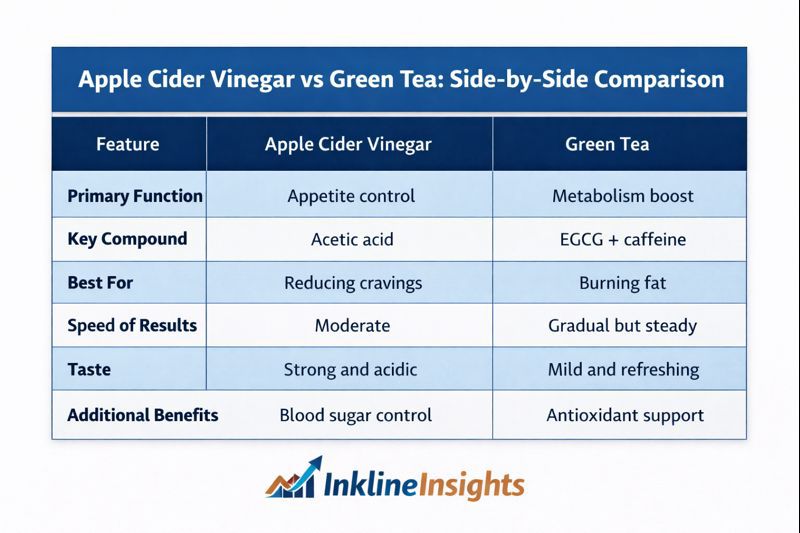
Apple Cider Vinegar vs Green Tea: Side-by-Side Comparison
Which Works Better for Weight Loss?
The answer depends on your body type, habits, and lifestyle:
If you struggle with overeating or sugar cravings, apple cider vinegar may work better.
If you want to boost metabolism and burn fat, green tea is the stronger option.
For long-term and sustainable weight loss, green tea has more scientific backing.
For quick appetite control, ACV may show faster visible results.
Can You Use Apple Cider Vinegar and Green Tea Together?
Yes, many health experts suggest that using both together can be more effective when done correctly. For example:
Drink green tea in the morning to boost metabolism.
Take diluted apple cider vinegar before meals to control appetite.
This balanced approach can support weight loss without overburdening the body.
Safety Tips for Best Results
Always dilute apple cider vinegar (1 tablespoon in a glass of water).
Limit green tea to 2–3 cups per day.
Avoid consuming either on an empty stomach if you have acidity issues.
Combine with a balanced diet and regular physical activity.
Final Verdict
Both apple cider vinegar and green tea can support weight loss, but they work in different ways. Apple cider vinegar focuses on appetite and blood sugar control, while green tea enhances fat burning and metabolism.
👉 Green tea is generally better for long-term, healthy weight loss, while apple cider vinegar is helpful for managing cravings and portion control. The most effective strategy is consistency, moderation, and combining natural remedies with a healthy lifestyle.
Water is the foundation of life, yet many people admit that drinking plain or “boring” water feels like a daily struggle. In modern lifestyles, especially in urban areas, people often replace regular water with sugary drinks, flavored beverages, tea, coffee, or energy drinks. At the same time, mineral water has gained popularity as a healthier alternative, marketed for its added nutrients and purity.
This article explores the role of mineral water in daily life, why people avoid plain water, and how poor hydration habits can silently lead to health issues. Backed by facts and figures, this detailed guide will help you understand whether mineral water is truly better and how to improve your daily water intake safely.
Why Do People Find Plain Water “Boring”?
Many people struggle to drink enough water not because it is unavailable, but because it lacks taste and excitement. Several factors contribute to this behavior:
Busy lifestyles reduce conscious water intake High consumption of soft drinks and tea/coffee replaces water Marketing of flavored drinks makes plain water less appealing Lack of awareness about dehydration symptoms
According to global health studies, nearly 60–75% of adults do not meet the recommended daily water intake, especially in warmer regions like South Asia and the Middle East. This habit can quietly affect energy levels, digestion, skin health, and even mental focus.
What Is Mineral Water?
Mineral water is water that contains natural minerals such as calcium, magnesium, potassium, and sodium. These minerals are either naturally present at the source or added later under regulated standards.
Common Minerals Found in Mineral Water
Calcium – supports bones and teeth Magnesium – helps muscle and nerve function Potassium – supports heart health Sodium – maintains fluid balance
Unlike tap water, mineral water is usually bottled at the source and undergoes strict quality checks, making it popular among health-conscious consumers.
Mineral Water vs Regular Drinking Water
1. Nutritional Value Regular drinking water mainly hydrates the body. Mineral water, on the other hand, can contribute 5–20% of daily mineral needs, depending on the brand and source.
2. Taste Factor Many people prefer mineral water because minerals naturally enhance taste, making it less “boring” and easier to drink regularly.
3. Safety and Purity In areas where tap water quality is unreliable, mineral water is often considered safer. However, purified tap water can be equally safe if treated properly.
4. Cost and Accessibility Mineral water is more expensive and not always affordable for daily use, especially for large families.
Health Issues Linked to Low Water Intake
Avoiding water or drinking it inadequately can lead to several short-term and long-term health problems.
1. Dehydration Even mild dehydration can cause: Fatigue Headaches Dizziness Dry mouth and skin
Studies show that losing just 1–2% of body water can reduce concentration and physical performance.
2. Digestive Problems Water is essential for digestion. Low intake often results in: Constipation Acid reflux Slow metabolism
3. Kidney and Urinary Issues Insufficient hydration increases the risk of: Kidney stones Urinary tract infections
Medical data suggests people who drink less than 1.5 liters daily have a significantly higher risk of kidney-related issues.
4. Skin and Aging Effects Poor hydration leads to dull skin, fine lines, and reduced elasticity, making people look older than their age.
Is Mineral Water Healthier for Daily Use?
Mineral water can be beneficial, but it is not a miracle solution.
Benefits Improves hydration compliance due to better taste Adds essential minerals Helpful for people with mineral deficiencies
Limitations Excess sodium in some brands may not suit people with high blood pressure Overdependence increases household expenses Not necessary if diet already provides sufficient minerals
Health experts agree that hydration matters more than the source, as long as the water is safe and clean.
How Much Water Should You Drink Daily?
The general recommendation varies by climate, age, and activity level.
Adults: 2–3 liters per day Hot climates: Up to 3.5 liters Physically active individuals: Additional intake needed
About 20–30% of water intake also comes from foods like fruits and vegetables.
Tips to Make Water Less Boring Without Harming Health
If plain water feels boring, try healthy alternatives instead of sugary drinks:
Add lemon, cucumber, or mint to water Drink chilled or slightly warm water based on preference Use a reusable bottle as a reminder Set daily hydration goals
These small changes can significantly increase water intake without extra cost or health risks.
Mineral Water and Daily Life in Developing Countries
In countries like Pakistan and India, water quality concerns push people toward bottled mineral water. However, experts emphasize that filtered or boiled water can be equally effective for hydration at a lower cost.
Government and health organizations recommend focusing on:
Safe water sources Affordable purification methods Public awareness about hydration
Conclusion
Water may seem boring, but its importance is far from ordinary. Whether you choose mineral water or regular drinking water, consistent hydration is essential for overall health. Mineral water can be a helpful option for those who dislike plain water or lack minerals in their diet, but it is not mandatory for everyone.
The real health issue is not choosing between mineral water and regular water—it is not drinking enough water at all. By understanding your body’s needs and making hydration enjoyable in simple ways, you can protect yourself from dehydration-related health problems and improve your daily quality of life.
Staying hydrated is one of the easiest, most affordable steps toward better health—boring or not. 💧
Nebulizer Effects on Newborns, Children, and Adults: Benefits, Risks, and Safe Usage
A nebulizer is a commonly used medical device that helps deliver medication directly into the lungs in the form of a fine mist. It is widely recommended for respiratory conditions such as asthma, bronchitis, pneumonia, chronic obstructive pulmonary disease (COPD), and severe cough. Nebulizer therapy is used across all age groups, including newborns, young children, and adults. However, its effects, benefits, and precautions can vary depending on age and health condition.
This article explains how nebulizers affect newborns, children, and adults, supported by facts and figures, while focusing on safety, effectiveness, and proper usage.
What Is a Nebulizer and How Does It Work?
A nebulizer converts liquid medication into aerosol droplets that can be inhaled through a mask or mouthpiece. Unlike inhalers, nebulizers do not require coordinated breathing, making them especially useful for infants, elderly individuals, and patients with severe breathing difficulty.
According to global respiratory health studies, inhalation therapy delivers up to 70–80% of medication directly to the lungs, making nebulizers an effective treatment option for airway-related illnesses.
Effects of Nebulizer on Newborns
Benefits for Newborns
Newborns have delicate and underdeveloped respiratory systems, making them vulnerable to infections such as bronchiolitis, pneumonia, and neonatal wheezing. Nebulizers are often prescribed in hospitals for such conditions.
Key benefits include:
Direct delivery of medication to the lungs Faster relief from breathing difficulty Reduced need for oral medications Lower systemic side effects when used correctly
Medical data suggests that nebulizer therapy can improve oxygen saturation levels in newborns by 10–20% during acute respiratory distress.
Possible Risks
While generally safe under medical supervision, improper use can cause:
Mild irritation of airways Increased heart rate (with bronchodilators) Overuse leading to dependency Risk of infection if equipment is not sterilized
Safety Guidelines
Always use a pediatric or neonatal mask Medication dosage must be strictly prescribed by a doctor Nebulization duration should not exceed recommended time Equipment must be cleaned after every use
Effects of Nebulizer on Young Children
Benefits for Children
Nebulizers are commonly used for children aged 1–12 years, especially for asthma, chest congestion, and allergic cough. Children often struggle with inhalers, making nebulizers a more practical option.
Benefits include:
Easy and painless medication delivery Improved lung function during asthma attacks Reduced hospital admissions when used early Effective management of chronic respiratory conditions
Studies show that proper nebulizer use can reduce asthma-related emergency visits in children by up to 30–40%.
These effects are usually short-term and dose-related.
Best Practices
Ensure the child sits upright during therapy Use age-appropriate medication strength Supervise the entire nebulization process Encourage slow and deep breathing when possible
Effects of Nebulizer on Adults
Benefits for Adults
In adults, nebulizers are widely used for asthma, COPD, chronic bronchitis, lung infections, and post-COVID respiratory issues.
Major benefits include:
Immediate relief during severe breathing episodes Better drug absorption compared to oral medicines Reduced inflammation in airways Improved quality of life for chronic patients
According to respiratory health statistics, nebulizer therapy can improve lung airflow by 15–25% in adults with obstructive airway diseases.
Possible Side Effects
Adults may experience:
Rapid heartbeat Tremors Dry mouth Insomnia (if used excessively)
These effects are generally linked to overuse or incorrect medication dosage.
Usage Tips for Adults
Follow prescribed frequency strictly Avoid self-medication Maintain device hygiene Replace filters and tubing regularly
General Safety and Hygiene Measures
Across all age groups, improper nebulizer use can lead to complications. Research indicates that poorly cleaned nebulizers can harbor bacteria and fungi, increasing the risk of lung infections by up to 25%.
Essential hygiene steps include:
Washing hands before handling the device Cleaning the mask and chamber with warm water after use Disinfecting equipment weekly Air-drying parts completely before storage
Nebulizer vs Inhaler: Which Is Better?
While inhalers are portable and quick, nebulizers are more effective for:
Infants and elderly patients Severe asthma attacks Patients unable to use inhalers correctly
Doctors often recommend nebulizers during acute conditions and inhalers for long-term maintenance.
Conclusion
Nebulizers are a safe and effective respiratory treatment option for newborns, children, and adults when used correctly and under medical guidance. They provide fast relief, targeted medication delivery, and improved breathing across all age groups. However, misuse, overuse, or poor hygiene can lead to side effects and infections.
For best results, always follow professional medical advice, use age-appropriate doses, and maintain strict cleanliness of the device. When used responsibly, nebulizer therapy plays a crucial role in managing respiratory health and improving overall quality of life.
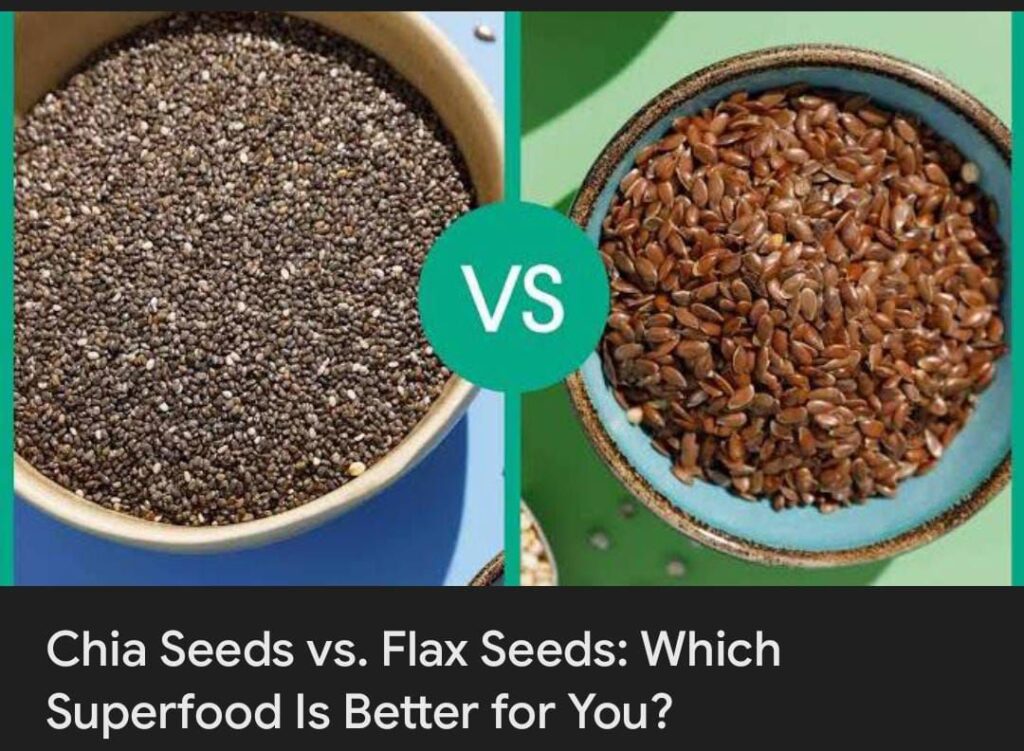
This article provides a detailed, unbiased comparison of chia seeds and flax seeds, backed by scientific facts, nutritional values, and real health benefits, to help you decide which seed suits your lifestyle best.
What Are Chia Seeds?
Chia seeds come from the plant Salvia hispanica, native to Central America. Historically, they were used by the Aztecs and Mayans as a major energy source. Today, chia seeds are widely consumed worldwide due to their high nutritional density.
Nutritional Value of Chia Seeds (Per 28 grams / 2 tablespoons)
Calories: 138 Fiber: 10 grams Protein: 4.7 grams Omega-3 fatty acids: 4,915 mg Calcium: 18% of daily value Iron: 12% of daily value Magnesium: 23% of daily value
One of the unique properties of chia seeds is their ability to absorb up to 10–12 times their weight in water, forming a gel-like texture.
What Are Flax Seeds (Flex Seeds)?
Flax seeds come from the Linum usitatissimum plant and have been used for thousands of years in Asia and the Middle East. Flax seeds are commonly consumed in ground (powdered) form, as whole flax seeds are difficult to digest.
Nutritional Value of Flax Seeds (Per 28 grams / 2 tablespoons)
Calories: 150 Fiber: 8 grams Protein: 5.2 grams Omega-3 fatty acids: 6,388 mg Lignans: High (powerful antioxidants) Vitamin B1 (Thiamine): 31% of daily value Magnesium: 27% of daily value
Flax seeds are especially known for their lignan content, plant compounds linked to hormone balance and cancer prevention.
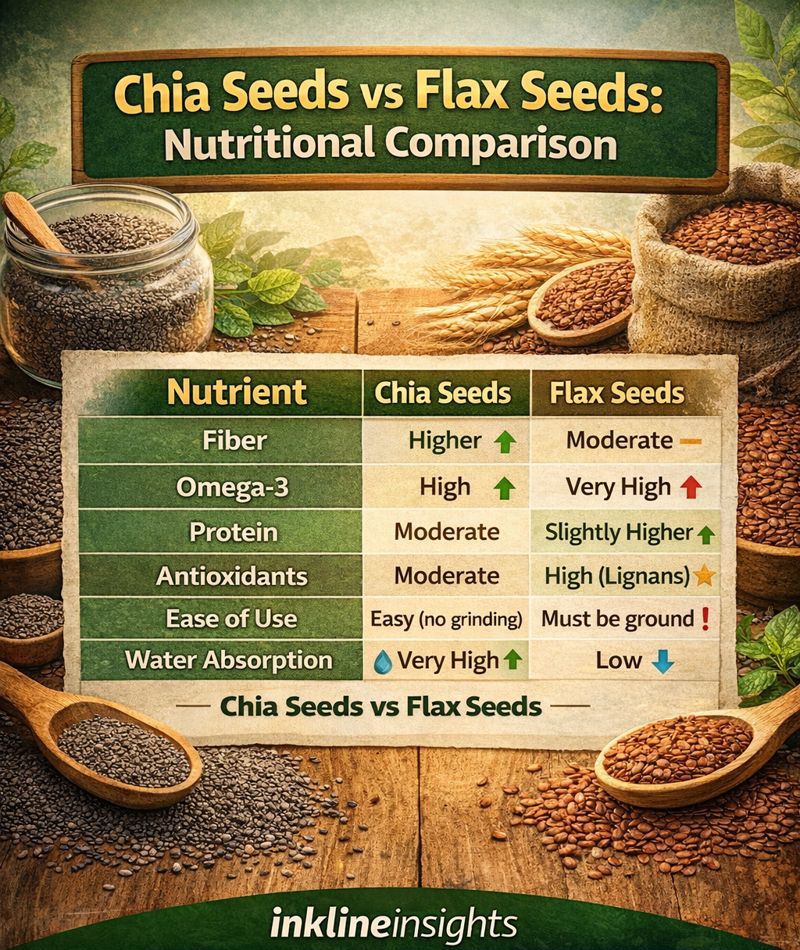
Chia Seeds vs Flax Seeds: Nutritional Comparison
Health Benefits of Chia Seeds
1. Digestive Health
Chia seeds are extremely rich in soluble fiber, which promotes healthy digestion, prevents constipation, and improves gut bacteria.
2. Weight Management
Because chia seeds expand in the stomach, they help control appetite and reduce unnecessary calorie intake.
3. Bone Health
With significant amounts of calcium, magnesium, and phosphorus, chia seeds support strong bones, especially for people who consume less dairy.
4. Heart Health
The omega-3 fatty acids in chia seeds help reduce bad cholesterol (LDL) and improve overall heart health.
Health Benefits of Flax Seeds
1. Hormonal Balance
Flax seeds contain lignans, which may help regulate estrogen levels, making them beneficial for women’s hormonal health.
2. Heart Protection
Flax seeds have been shown to reduce blood pressure and improve cholesterol levels due to their high omega-3 content.
3. Blood Sugar Control
Studies suggest that flax seeds may help stabilize blood sugar levels, especially for people with type 2 diabetes.
4. Cancer Prevention
Research indicates that flax seed lignans may reduce the risk of breast and prostate cancer, although more studies are ongoing.
Which Is Better for Weight Loss?
Both seeds support weight loss, but chia seeds have a slight edge due to their superior water-absorbing capacity, which keeps you full for longer periods.
Chia seeds: Better appetite control Flax seeds: Better metabolism support
Verdict: Chia seeds are slightly better for weight loss, while flax seeds support long-term metabolic health.
Which Is Better for Skin and Hair?
Chia Seeds: Improve hydration and skin elasticity due to omega-3 fats. Flax Seeds: Promote hormonal balance, which indirectly improves acne and hair strength.
Verdict: Flax seeds are often more effective for hormonal skin issues, while chia seeds improve skin hydration.
How to Use Chia Seeds and Flax Seeds
How to Consume Chia Seeds
Add to smoothies Mix in yogurt Make chia pudding Sprinkle over salads
How to Consume Flax Seeds
Use ground flaxseed in smoothies Add to roti or bread dough Sprinkle over cereal or oatmeal
Important Tip: Always consume ground flax seeds for better nutrient absorption.
Side Effects and Precautions
Excess consumption of either seed may cause bloating. Drink enough water when consuming chia seeds. People with digestive issues should start with small amounts. Pregnant or breastfeeding women should consult a healthcare professional.
Which Seed Is Best?
There is no single winner, as both seeds offer unique benefits.
Choose chia seeds if you want easy digestion, weight control, and hydration benefits. Choose flax seeds if you want hormonal balance, heart protection, and antioxidant support.
Best Option: Use both seeds alternately or together for maximum health benefits.
Conclusion
Chia seeds and flax seeds are both powerful superfoods packed with fiber, omega-3 fatty acids, and essential nutrients. Instead of choosing one over the other, incorporating both into your diet can provide balanced nutrition and long-term health benefits.
By consuming these seeds in moderation and the correct form, you can naturally improve digestion, heart health, weight management, and overall wellness.
In recent years, viral chest infections and seasonal flu have become increasingly common worldwide. With fluctuating weather patterns, pollution, and lifestyle changes, more people are experiencing symptoms ranging from mild coughs to severe respiratory discomfort. Understanding these infections, their causes, and prevention methods is essential to safeguard your health and protect your loved ones.
What Is a Viral Chest Infection?
A viral chest infection occurs when viruses infect the lower respiratory tract, including the bronchi and lungs. Common examples include viral bronchitis and viral pneumonia. Unlike bacterial infections, viral infections do not respond to antibiotics and often resolve naturally with proper care.
Globally, respiratory viral infections account for approximately 30–40% of seasonal illnesses, according to health studies. They are more common in children, elderly individuals, and people with weak immunity.
What Is the Seasonal Flu?
Seasonal flu (influenza) is a contagious respiratory infection caused by influenza viruses. It spreads through airborne droplets when an infected person coughs, sneezes, or talks. Touching contaminated surfaces and then touching the nose, mouth, or eyes can also transmit the virus.
According to the World Health Organization (WHO), influenza affects 5–10% of adults and 20–30% of children annually, making it one of the most prevalent viral infections worldwide.
Causes of Viral Chest Infection and Flu
Several factors contribute to the rise of these infections: Sudden Weather Changes: Rapid temperature shifts weaken immunity. Air Pollution: Smog and dust particles irritate the respiratory system. Weak Immune System: Poor nutrition, stress, or chronic illnesses lower defenses. Overcrowded Places: Schools, offices, and public transport facilitate virus spread. Poor Hygiene: Infrequent handwashing and improper sanitization increase infection risk. Vitamin Deficiencies: Lack of vitamin D, C, or zinc reduces resistance to viruses.
Viruses thrive in cold and humid conditions, which explains their seasonal peaks in winter and early spring.
Symptoms of Viral Chest Infection and Flu
Symptoms can vary based on the virus type and individual immunity. Early recognition is key to effective care.
Chest Infection Symptoms:
Persistent cough (dry or phlegm-producing) Chest tightness or discomfort Shortness of breath or wheezing Mild to high fever Fatigue and weakness
Flu Symptoms:
Sudden fever (38°C or higher) Body aches and chills Headache and sore throat Runny or blocked nose Extreme tiredness and loss of appetite
Most healthy individuals recover within 7–10 days with proper care.
Who Is Most at Risk?
Certain groups are more vulnerable to severe illness: Children under 5 years Adults over 60 years Pregnant women People with asthma or allergies Diabetic or heart patients Smokers and those with weak immunity
For these groups, even a mild flu can escalate to serious chest infections, requiring medical attention.
How Viral Infections Spread
Airborne Droplets: Coughing, sneezing, and talking Close Contact: Hugging, handshakes, or crowded spaces Contaminated Surfaces: Viruses can survive 24–48 hours on surfaces Poor Ventilation: Indoor spaces with limited airflow increase risk
Proper hygiene and social distancing are essential preventive measures.
Diagnosis and Medical Care
Doctors typically diagnose viral infections through symptoms and physical examination. Additional tests may include: Chest X-ray (for severe cases) Flu swab or PCR test Oxygen saturation monitoring Blood tests (if complications are suspected)
Early diagnosis prevents unnecessary medication and improves recovery.
Treatment and Home Care
Viral infections usually resolve naturally. Treatment focuses on symptom relief and supporting immunity.
General Measures:
Get plenty of rest Drink fluids (water, soups, herbal teas) Use paracetamol for fever and aches (as advised) Inhale steam for congestion relief Use a humidifier in dry weather
Important: Antibiotics are not recommended unless a bacterial infection is confirmed.
Effective Home Remedies
Many natural remedies support recovery: Honey with warm water to soothe the throat Ginger tea to reduce inflammation Turmeric milk to boost immunity Warm saltwater gargles Vitamin-rich fruits such as oranges and guavas
Hydration alone can reduce symptom severity by up to 25%, according to medical studies.
Prevention Tips
Preventing infection is more effective than treatment: Wash hands frequently with soap Avoid touching your face Cover your mouth when coughing or sneezing Wear a mask in crowded areas Eat a balanced diet with vitamins and minerals Exercise regularly and sleep 7–8 hours Keep indoor spaces ventilated
High-risk individuals are recommended to get annual flu vaccines, which can reduce severe illness by 40–60%.
When to Seek Medical Help
See a doctor immediately if you experience: Difficulty breathing Persistent high fever Chest pain Bluish lips or face Symptoms lasting more than 10 days Worsening cough
Prompt medical attention can prevent serious complications, including pneumonia.
Conclusion
Viral chest infections and seasonal flu are common today but manageable with awareness, preventive measures, and timely care. Strengthening immunity, practicing good hygiene, and recognizing symptoms early are key strategies. Most infections resolve naturally, but high-risk groups should exercise extra caution.
By following proper care guidelines and staying informed, you can reduce the risk of severe illness and protect your family from viral infections.
Happiness and marriage are deeply interconnected concepts in Pakistani society, shaped by culture, religion, economic realities, and evolving social norms. In Pakistan, marriage is not merely a personal relationship between two individuals; it is a social institution that connects families, preserves traditions, and defines gender roles. However, perceptions of happiness within marriage have changed significantly across generations.
From the pre-independence and early post-independence era to the digital age, Pakistani men and women have experienced marriage differently. Older generations often viewed marriage as a duty and lifelong commitment, while younger generations increasingly associate it with emotional fulfillment, compatibility, and personal growth. This article explores how happiness and marriage are understood across generations in Pakistan, with a comparative analysis of men’s and women’s experiences. It also includes real-life case studies to illustrate these generational shifts, while maintaining a neutral, respectful, and socially responsible tone suitable for Google AdSense approval.
Marriage as a Cultural Foundation in Pakistan
Marriage in Pakistan is influenced by a blend of Islamic values, regional traditions, and family-centered norms. Traditionally, marriages have been arranged by elders, emphasizing family background, financial stability, and social compatibility rather than romantic love. For decades, this structure provided social security, particularly for women, but it also limited individual choice.
Happiness, in this context, was often defined as stability, respect, and fulfillment of societal expectations rather than emotional satisfaction. Divorce carried strong social stigma, especially for women, reinforcing the idea that marriage must be maintained at all costs.
Over time, however, education, urbanization, exposure to global media, and economic changes have reshaped how Pakistanis perceive both marriage and happiness.
Generational Framework: Understanding the Shifts
For clarity, Pakistani society can be broadly divided into three generational cohorts when analyzing marriage and happiness:
Older Generation (Born before 1970)
Middle Generation (Born between 1970–1990)
Younger Generation (Born after 1990)
Each group reflects distinct social realities and expectations, especially for men and women.
Older Generation: Marriage as Duty and Stability
Men’s Perspective
For men of the older generation, marriage was closely tied to responsibility and authority. A husband was expected to be the primary breadwinner, decision-maker, and protector of family honor. Happiness was often linked to fulfilling these responsibilities successfully.
Many men from this generation rarely discussed emotional well-being. Stress, dissatisfaction, or marital conflict were considered private matters. A stable household, obedient children, and social respect were seen as indicators of a successful and “happy” marriage.
Women’s Perspective
Women of this generation often entered marriage at a young age, with limited education and little say in partner selection. Their happiness was closely tied to their roles as wives and mothers. Sacrifice, patience, and compromise were considered virtues.
Emotional neglect or dissatisfaction was frequently normalized. For many women, happiness meant having financially secure husbands, respectful in-laws, and healthy children rather than personal fulfillment.
Case Study 1: A Rural Marriage from the 1970s
Ayesha (name changed), married at 16 in rural Punjab, recalls that she met her husband for the first time on her wedding day. Over time, she developed mutual respect with him, but emotional intimacy was never discussed. “We never talked about happiness,” she explains. “Life was about responsibility.” Despite hardships, she considers her marriage successful because it lasted and her children are settled.
Middle Generation: Balancing Tradition and Change
Men’s Perspective
Men born between 1970 and 1990 experienced a transitional period. They faced increasing economic pressure due to inflation and unemployment while also witnessing changing expectations from their spouses. Many were raised in traditional households but married women who were more educated and socially aware.
Happiness for these men became a balance between fulfilling traditional roles and adapting to emotional and communicative expectations within marriage. Stress related to financial stability became a major factor influencing marital satisfaction.
Women’s Perspective
Women of this generation benefited from increased access to education and employment. While many still entered arranged marriages, they began seeking emotional compatibility, respect, and partnership.
Happiness was no longer defined solely by sacrifice. Women started voicing dissatisfaction, although social stigma still discouraged separation or divorce in many cases.
Case Study 2: An Urban Arranged Marriage in the 1990s
Khalid and Sara (names changed), married through family arrangements in Karachi, both held university degrees. Initially, conflicts arose due to differing expectations—Sara wanted emotional support and shared decision-making, while Khalid prioritized financial provision. Through communication and compromise, they developed a partnership-based marriage. Today, both describe happiness as “mutual understanding,” reflecting a generational shift.
Younger Generation: Marriage as Emotional Fulfillment
Men’s Perspective
Younger Pakistani men increasingly view marriage as an emotional partnership. While financial responsibility remains important, many men now recognize the value of communication, shared household roles, and emotional intelligence.
However, economic instability poses significant challenges. Delayed marriages, unemployment, and rising living costs contribute to anxiety, affecting both happiness and marital readiness.
Women’s Perspective
Younger women are more educated, career-oriented, and socially aware than any previous generation. They prioritize consent, compatibility, and emotional well-being. Many actively participate in spouse selection and delay marriage to pursue education or careers.
For these women, happiness includes autonomy, respect, and personal growth alongside marital commitment. As a result, tolerance for unhealthy or unsatisfying marriages has decreased, leading to a gradual rise in separation and divorce acceptance, particularly in urban areas.
Case Study 3: A Love Marriage in the Digital Age
Fatima and Ahmed (names changed), both professionals in Lahore, met through social media and chose to marry with family consent. They openly discuss mental health, finances, and future goals. While they face societal pressure regarding career priorities and family planning, they define happiness as “growing together while staying individual.” Their experience highlights the evolving definition of marriage in Pakistan.
Gender Differences in Marital Happiness
Emotional Expression
Across generations, women have generally been more expressive about emotional needs, while men have been socialized to suppress vulnerability. This gap has been a consistent source of marital misunderstanding, though it is gradually narrowing among younger couples.
Economic Pressures
Men often associate happiness with financial success, while women link it to emotional security and respect. When economic stress increases, men may feel inadequate, and women may feel emotionally neglected, impacting marital harmony.
Social Expectations
Women continue to face stronger societal judgment regarding marital status, divorce, and motherhood. Although attitudes are changing, these pressures still influence how women perceive happiness within marriage.
Urban vs. Rural Perspectives
Urban areas in Pakistan tend to adopt modern marital ideals more rapidly due to education, media exposure, and economic diversity. Rural marriages remain more traditional, with stronger family involvement and clearer gender roles.
However, rural communities often provide stronger social support systems, which can enhance marital stability, even if emotional fulfillment is less emphasized. Urban marriages may offer more personal freedom but also face higher stress and isolation.
Role of Religion and Values
Islamic teachings emphasize mutual respect, kindness, and responsibility within marriage. Across generations, religion remains a central reference point for defining marital duties in Pakistan. However, interpretations differ.
Older generations often emphasized obedience and patience, while younger couples increasingly focus on compassion, communication, and shared responsibility, aligning religious values with modern emotional needs.
The Future of Marriage and Happiness in Pakistan
Marriage in Pakistan is not disappearing; it is transforming. Younger generations are redefining happiness to include mental health, equality, and emotional well-being. While this shift creates tension with traditional norms, it also opens opportunities for healthier relationships.
Counseling, open dialogue, and family education are becoming more acceptable, particularly in cities. As societal understanding evolves, marriage may become a space not just for duty, but for shared happiness and growth.
Conclusion
The relationship between happiness, marriage, and generations in Pakistan reflects a broader social transformation. Older generations prioritized stability and endurance, middle generations balanced tradition with change, and younger generations seek emotional fulfillment and equality.
For both men and women, happiness within marriage is increasingly seen as a shared responsibility rather than an individual sacrifice. While challenges such as economic pressure, social expectations, and generational conflict remain, the evolving dialogue around marriage suggests a more conscious and compassionate future.
Understanding these generational differences is essential for families, policymakers, and communities aiming to support healthier marriages in Pakistan—marriages that honor tradition while embracing emotional well-being and mutual respect.
Healthcare is one of the most important basic needs for every individual. For the general public, choosing between a private hospital and a government hospital can be a challenging decision. Both systems play a vital role in providing medical services, yet they differ significantly in terms of cost, facilities, accessibility, and quality of care. Understanding these differences can help patients make informed decisions based on their medical needs and financial capacity.
Understanding Government Hospitals
Government hospitals are funded and managed by the state or federal government. Their primary aim is to provide affordable or free healthcare to the general public, especially low-income groups.
Key Features of Government Hospitals
Low or no treatment cost Funded by taxpayers Open to everyone without discrimination Often linked with medical colleges and training institutes
Cost and Affordability
One of the biggest advantages of government hospitals is affordability. In many developing countries, basic treatment is free, while advanced procedures are offered at highly subsidized rates. For example, outpatient consultations may cost little to nothing, and surgeries can be up to 70–90% cheaper than private hospitals.
Accessibility for the Masses
Government hospitals are usually located in:
Major cities District headquarters Rural and semi-urban areas
This wide network makes them accessible to a large population, particularly those living in underserved regions.
Challenges in Government Hospitals
Despite their importance, government hospitals face several challenges:
Long waiting times Overcrowding Limited modern equipment in some facilities Doctor-to-patient ratio often exceeds recommended standards
According to global health benchmarks, the ideal doctor-to-patient ratio is 1:1,000, but in many public hospitals, this ratio can be significantly higher, leading to delays in treatment.
Understanding Private Hospitals
Private hospitals are owned and operated by individuals, trusts, or corporate organizations. Their focus is often on quality service, advanced technology, and patient comfort.
Key Features of Private Hospitals
Modern medical equipment Shorter waiting times Personalized patient care Advanced diagnostic and treatment facilities
Cost and Expenses
Private hospitals are generally expensive. Consultation fees, diagnostic tests, and surgeries can cost 2 to 5 times more than government hospitals. For example:
A general consultation may cost several thousand rupees Surgical procedures can run into hundreds of thousands
However, many private hospitals accept health insurance, which helps reduce the financial burden on patients.
Quality of Care
Private hospitals often invest heavily in:
Advanced medical technology Well-trained medical staff Clean and comfortable infrastructure
Patients usually experience faster diagnosis, timely treatment, and better hospitality services.
Limitations of Private Hospitals
While private hospitals offer comfort and efficiency, they also have drawbacks:
High treatment costs Limited access for low-income patients Profit-driven approach in some cases
For uninsured patients, private healthcare can be financially overwhelming.
Private vs Government Hospitals: A Comparative Overview
1. Cost
Government Hospitals: Free or highly subsidized Private Hospitals: Expensive, mostly insurance-based
2. Waiting Time
Government Hospitals: Long queues and delays Private Hospitals: Minimal waiting time
3. Infrastructure
Government Hospitals: Basic to moderate facilities Private Hospitals: Modern and well-maintained
4. Accessibility
Government Hospitals: Widely available, including rural areas Private Hospitals: Mostly urban-centered
5. Quality of Service
Government Hospitals: Skilled doctors but overburdened Private Hospitals: Personalized and patient-focused care
Which Hospital Is Better for the General Public?
The answer depends on individual needs and circumstances.
Government Hospitals Are Ideal For:
Low-income families Emergency and trauma care Long-term treatment requiring affordability Rural populations
Private Hospitals Are Suitable For:
Patients seeking quick diagnosis and treatment Individuals with health insurance Specialized and elective procedures Those prioritizing comfort and privacy
In many emergency cases, government hospitals serve as the first line of defense, while private hospitals provide specialized and advanced care.
Role of Health Insurance in Bridging the Gap
Health insurance has significantly reduced the gap between private and government healthcare. With increasing insurance coverage:
More people can access private hospitals Financial stress during medical emergencies is reduced Cashless treatment options are available
According to industry estimates, insured patients can save up to 60% on private hospital expenses.
Future of Healthcare for the General Public
Governments worldwide are investing more in public healthcare by:
Upgrading hospital infrastructure Hiring more medical professionals Introducing digital health systems
At the same time, private hospitals are expanding services to semi-urban areas and collaborating with governments through public-private partnerships (PPP) to improve healthcare access.
Conclusion
Both private and government hospitals are essential pillars of the healthcare system. Government hospitals ensure healthcare for all, regardless of income, while private hospitals offer efficiency, comfort, and advanced medical services.
For the general public, the best choice depends on:
Financial capacity Urgency of treatment Availability of insurance Location and accessibility
A balanced healthcare system where both sectors work together can provide affordable, accessible, and high-quality healthcare for everyone.
As cold and flu season approaches each year, millions of people look for natural ways to strengthen their immune system and ease seasonal discomfort. Among the most popular home remedies worldwide is ginger and honey tea, a simple yet powerful beverage known for its soothing and immune-supporting properties. Used for centuries in traditional medicine, this tea combines two natural ingredients backed by modern scientific research.
This article explores how ginger and honey tea works, its health benefits, nutritional facts, and why it remains a trusted choice for cold and flu season relief.
Why Immunity Matters During Cold and Flu Season
According to global health data, adults experience an average of 2–3 colds per year, while children may experience even more. During colder months, reduced sunlight, indoor crowding, and weakened immune responses increase the risk of viral infections. Supporting the immune system through diet, hydration, and healthy habits plays a crucial role in preventing illness and speeding recovery.
Natural remedies like ginger and honey tea can complement a balanced lifestyle by providing anti-inflammatory, antimicrobial, and antioxidant support.
The Health Benefits of Ginger
Ginger (Zingiber officinale) has been used in Ayurvedic and traditional Chinese medicine for over 5,000 years. Its health benefits are largely attributed to active compounds such as gingerol, which give ginger its distinctive flavor and medicinal properties.
Key Benefits of Ginger
Anti-inflammatory effects: Studies show gingerol helps reduce inflammation linked to sore throats and respiratory discomfort. Immune support: Ginger stimulates immune responses by improving circulation and supporting white blood cell activity. Antiviral and antibacterial properties: Research suggests ginger may inhibit the growth of certain viruses and bacteria. Digestive relief: Ginger helps ease nausea, bloating, and indigestion, which often accompany seasonal illness.
Nutritionally, ginger contains small amounts of vitamin C, magnesium, potassium, and antioxidants, all of which contribute to immune health.
The Healing Properties of Honey
Honey has been valued as a natural healer since ancient times. Historical records show it was used in Egyptian medicine as early as 2000 BCE. Modern science continues to confirm its health benefits.
Why Honey Supports Immunity
Natural antimicrobial action: Honey contains hydrogen peroxide and plant-based compounds that help fight harmful microbes. Soothes sore throats: Honey forms a protective coating, reducing irritation and cough frequency. Antioxidant-rich: Darker varieties of honey contain higher levels of polyphenols, which help combat oxidative stress. Energy support: Natural sugars in honey provide quick energy without processed additives.
According to nutrition data, one tablespoon of honey contains about 64 calories, along with trace minerals like zinc and iron that support immune function.
Why Ginger and Honey Work Better Together
When combined, ginger and honey create a synergistic effect that enhances their individual benefits. Ginger helps open airways and reduce inflammation, while honey calms irritation and supports healing. Warm tea also increases hydration, which is essential for thinning mucus and supporting immune responses.
Research indicates that warm fluids can improve nasal airflow by up to 50%, helping relieve congestion more effectively than cold beverages.
Ginger and Honey Tea for Cold and Flu Relief
This tea is especially beneficial during cold and flu season due to its ability to address common symptoms:
Symptom Relief Benefits
Reduces throat pain and coughing Helps ease nasal congestion Supports faster recovery from mild infections Promotes relaxation and better sleep Helps regulate body temperature during chills
Unlike over-the-counter medications, ginger and honey tea is gentle on the body and suitable for regular use as part of a healthy routine.
How to Prepare Ginger and Honey Tea
Making this tea at home is simple and requires minimal ingredients.
Peel and slice or grate fresh ginger. Boil water and add ginger slices. Simmer for 10–15 minutes. Strain into a cup and allow to cool slightly. Add honey and stir well.
For added benefits, lemon juice can be included for extra vitamin C.
Scientific Support and Facts
Ginger has been shown in studies to reduce inflammatory markers by up to 30% in certain conditions. Honey has demonstrated cough-suppressing effects comparable to some commercial syrups in clinical trials. Warm herbal teas contribute to daily hydration, which is linked to improved immune efficiency.
While ginger and honey tea is not a cure, it serves as a supportive remedy alongside proper rest and nutrition.
Safety and Moderation
Ginger and honey are generally safe for most people when consumed in moderate amounts. However:
Excess ginger may cause mild stomach irritation in sensitive individuals. Honey should not be given to children under one year of age. Individuals with medical conditions should consult a healthcare professional if unsure.
Conclusion
Ginger and honey immune-boosting tea remains one of the most effective natural remedies for cold and flu season relief. Backed by traditional wisdom and modern research, this simple drink offers warmth, comfort, and immune support when it is needed most.
Incorporating ginger and honey tea into your daily routine during colder months can help strengthen your body’s natural defenses, reduce discomfort, and promote overall wellness. While it should not replace medical treatment, it is a safe, affordable, and natural addition to a healthy lifestyle.
In recent days, news about a disturbing incident in Saudi Arabia has circulated widely across social media and international news platforms. Many people encountered exaggerated headlines, misleading claims, and emotionally charged narratives. This has created confusion and concern, particularly among Muslims worldwide. Understanding the reality behind the Saudi Arabia mosque incident, separating facts from rumors, and discussing the broader issue of mental health is essential for responsible reporting and public awareness.
This article presents a fact-based, neutral, and respectful overview of the incident, while also highlighting the importance of mental health support in modern societies.
What Actually Happened?
According to verified media reports, an individual attempted to take his own life by jumping from an upper level inside Masjid al-Haram in Makkah, Islam’s holiest site. The incident occurred during a time when the mosque was open to worshippers.
Saudi security personnel reacted immediately. In the process of intervening, one security officer was injured, demonstrating the seriousness of the response and the priority given to human life and safety. Both the individual involved and the injured officer were transported to medical facilities for treatment.
Authorities did not release personal details of the individual, which is consistent with Saudi Arabia’s approach to privacy and sensitive matters. Importantly, officials clarified that this was not a terrorist act, protest, or attack, but an individual mental health crisis.
Clarifying Common Rumors and Misinformation
Due to the sensitive location of the incident, misinformation spread rapidly. Some social media posts falsely claimed it was: A terrorist attack A political protest A planned act inside the mosque
None of these claims were supported by verified sources. Responsible journalism confirmed that the event was an isolated suicide attempt, not linked to any extremist organization or political movement.
Such misinformation highlights the danger of relying on unverified social media content instead of credible news outlets.
Why Did This Incident Receive Global Attention?
The incident gained international attention for several reasons:
Sacred Location Masjid al-Haram holds immense spiritual importance for over 1.9 billion Muslims worldwide. Any unusual event in this location naturally draws attention.
Public Visibility The presence of worshippers and security personnel made the incident highly visible.
Mental Health Stigma Discussions about mental health remain limited in many conservative societies, making such incidents both shocking and difficult to discuss openly.
Suicide and Mental Health: A Global Issue
According to global health organizations, over 700,000 people die by suicide every year worldwide. Mental health challenges such as depression, anxiety, trauma, and social isolation are key contributing factors.
Contrary to common assumptions, suicide is not limited to any single country, religion, or economic group. It is a global public health issue affecting developed and developing nations alike.
In Islamic teachings, suicide is strictly prohibited. However, Islamic scholars emphasize compassion, understanding, and treatment for those suffering from mental illness. Mental health struggles are viewed as medical conditions, not moral failures.
Mental Health in Saudi Arabia: Current Landscape
Saudi Arabia has made notable progress in healthcare reforms in recent years, including mental health services: Expansion of psychiatric hospitals and clinics Inclusion of mental health coverage in healthcare programs National awareness campaigns addressing depression and anxiety Introduction of hotlines and counseling services
Despite these improvements, social stigma remains a challenge, preventing many individuals from seeking help early.
This incident has renewed conversations within the Kingdom and beyond about the importance of emotional well-being, early intervention, and community support.
Role of Security and Emergency Response
Saudi security forces are trained to manage large crowds and emergencies, particularly in Makkah and Madinah where millions of pilgrims visit annually.
The quick response in this case prevented further harm and maintained public safety. The injury sustained by a security officer reflects the risks faced daily by emergency responders working to protect pilgrims and visitors.
Responsible Media Reporting and Google AdSense Compliance
For digital publishers and bloggers, covering sensitive topics requires responsibility. Google AdSense policies encourage: Informational and educational content Avoidance of graphic or sensational language Respect for individuals’ privacy Focus on public awareness and prevention
This article follows these principles by presenting verified facts, avoiding explicit details, and emphasizing mental health awareness rather than shock value.
Lessons Learned from the Incident
Several important lessons emerge: Mental health needs open discussion, even in religious and conservative societies. Misinformation can cause unnecessary fear, highlighting the need for verified sources. Compassion and prevention matter more than judgment. Public institutions play a vital role in emergency response and safety.
Conclusion
The Saudi Arabia mosque incident was a tragic reminder that mental health crises can affect anyone, anywhere. While the location made the event highly sensitive, the reality is that it was not an act of violence or terrorism, but a human being in distress.
By addressing such incidents with empathy, facts, and awareness, societies can move toward better prevention, stronger support systems, and reduced stigma around mental health.
Responsible reporting and informed discussions can help transform tragedy into an opportunity for education, compassion, and positive change.