Category: Health & Wellness

  • Best Brain Foods for Kids | Boost Memory, Focus, and Learning Naturally

    A child’s brain grows rapidly, and the right nutrition plays a major role in boosting memory, concentration, learning, and overall development. Adding nutrient-rich foods to your child’s daily diet can support healthy brain growth and help them perform better in school and daily activities. Here are some of the best foods that naturally improve brain health in kids.

    1. Eggs

    Eggs are a powerful source of choline and high-quality protein, both essential for building strong brain cells. They support better memory, sharp thinking, and sustained focus throughout the day.


    2. Fatty Fish

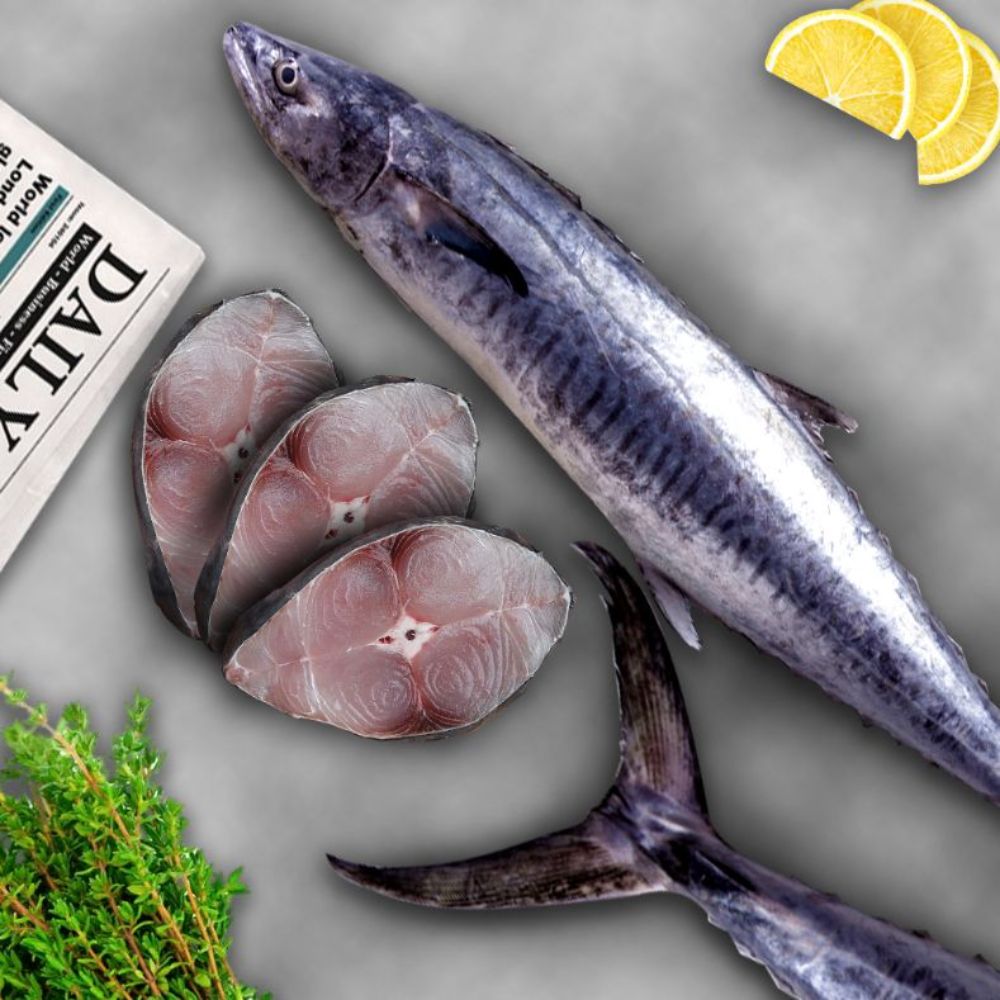
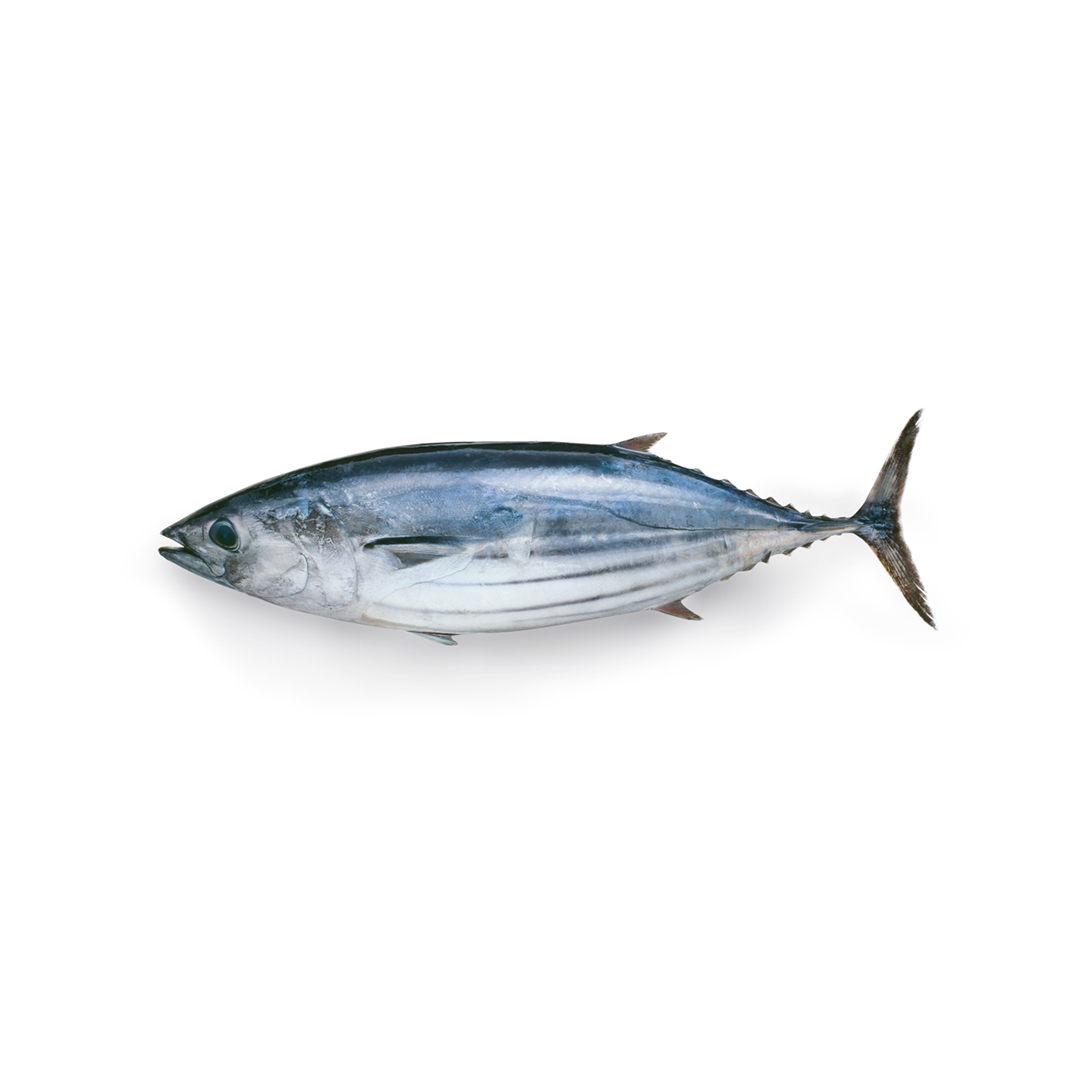
    Salmon, sardines, and mackerel are rich in Omega-3 fatty acids, which are crucial for brain development. These healthy fats improve learning ability, concentration, and overall brain function.


    3. Dairy Products

    Milk, cheese, and yogurt provide calcium, protein, and Vitamin B12, nutrients that support healthy nerve function and strong brain development. They also help maintain stable energy levels.


    4. Nuts and Seeds

    Almonds, walnuts, peanuts, chia seeds, and pumpkin seeds are packed with healthy fats, antioxidants, and Vitamin E. These nutrients protect brain cells and enhance memory power.


    5. Berries

    Blueberries, strawberries, and blackberries are among the best brain foods due to their high antioxidant content. They help improve communication between brain cells and support better recall and focus.


    6. Whole Grains

    Whole-wheat bread, brown rice, and oats provide long-lasting energy that keeps the brain active. The steady release of glucose from whole grains helps kids stay alert and focused.


    7. Green Leafy Vegetables
    Spinach, broccoli, and kale offer iron, folate, and essential vitamins that strengthen cognitive function and reduce the risk of mental fatigue.

    8. Bananas
    Bananas supply natural sugars and potassium, giving the brain quick energy while balancing mood and concentration levels throughout the day.

    9. Avocado

    Avocados contain healthy monounsaturated fats, which support proper blood flow to the brain. This helps improve thinking speed and overall cognitive performance.

    10. Peanut Butter

    Peanut butter is rich in Vitamin E and healthy fats, helping kids maintain better memory and consistent brain energy.

  • Superfoods for Liver Health: Reduce Fat and Improve Detox

    Top 10 Foods to Boost Liver Health and Reduce Liver Fat

    Looking to support your liver naturally? Adding the right foods to your daily diet can help reduce liver fat, improve detoxification, and protect your body against fatty liver disease. Here are the 10 best foods to keep your liver healthy and functioning at its best:

    1. Leafy Green Vegetables

    Spinach, kale, and arugula are packed with chlorophyll, which helps cleanse toxins from the bloodstream and prevents fat buildup in the liver.

    2. Coffee

    Coffee is known for its powerful antioxidants that lower inflammation and protect the liver from fatty liver disease and long-term damage.

    3. Green Tea

    Rich in catechins, green tea helps decrease liver fat, supports metabolism, and reduces oxidative stress.

    4. Fatty Fish

    Salmon, sardines, and mackerel provide omega-3 fatty acids that lower liver fat levels and improve overall liver function.

    5. Turmeric

    Curcumin, the active compound in turmeric, fights inflammation and supports healthy bile flow, promoting better digestion and detoxification.

    6. Garlic

    Garlic activates liver enzymes that help flush toxins and may also reduce body fat, which plays a role in preventing fatty liver.

    7. Berries

    Blueberries and cranberries are loaded with antioxidants that protect liver cells and reduce the risk of fibrosis.

    8. Nuts, Especially Walnuts

    Walnuts contain omega-3s and amino acids that support healthy liver enzymes and help minimize fat accumulation.

    9. Olive Oil

    Extra virgin olive oil improves fat metabolism, supports healthy cholesterol levels, and prevents fat from building up in the liver.

    10. Oats and Whole Grains

    High in beta-glucan fiber, oats help reduce cholesterol, improve digestion, and lower the risk of fatty liver disease.

  • The Best Single Remedy to Quickly Cure Flu During Winter Season

    Every winter, flu cases rise sharply across Pakistan due to colder temperatures, increased indoor crowding, and weakened immunity, leading thousands of people to look for quick and natural remedies that offer real relief without side effects. Among the many traditional and modern solutions, one remedy continues to stand out for its proven effectiveness: a warm mixture of honey, ginger, lemon, and water. This combination has been used in Pakistani households for generations, but its benefits are also supported by medical research—honey contains powerful antimicrobial and soothing properties that can reduce coughing intensity by 30–40%, ginger contains gingerol which acts as a natural anti-inflammatory compound that opens nasal passages, and lemon provides vitamin C that strengthens the immune response while flushing out toxins.

    When consumed two to three times a day, this simple drink helps regulate body temperature, breaks down mucus buildup, and eases throat irritation, allowing many people to experience noticeable improvement in 24 to 48 hours, depending on the severity of the infection. A study published in global respiratory journals has shown that warm liquids alone can increase nasal mucus flow by almost 60%, speeding up the body’s natural healing process, and when combined with ginger and honey, the effectiveness increases significantly. In Pakistan’s northern regions, where temperatures drop below freezing, doctors frequently recommend this remedy alongside steam inhalation and increased hydration, because it not only supports faster recovery but also reduces the reliance on antibiotics—something particularly important as antibiotic resistance becomes a growing national issue. Costing less than Rs. 150 per preparation, this remedy is inexpensive, accessible, and safe for most adults and older children, making it one of the most reliable winter flu treatments across the country.

    With rising pollution levels in major cities like Lahore and Karachi further weakening the respiratory system during the cold season, this natural mixture remains a trusted, fast-working, and scientifically supported option for combating flu symptoms effectively.

  • Top 5 Affordable Beauty Products in Pakistan for Treating Dry and Dead Skin in Winter


    During Pakistan’s winter months, dry and flaky skin becomes a widespread concern as cold winds, low humidity, and indoor heating strip away essential moisture, pushing people to search for skincare solutions that are both affordable and effective.

    The Pakistani market offers several budget-friendly products that have gained notable consumer trust for treating dryness and dead skin without straining a limited budget. Among the most popular choices is Ponds Super Light Gel, priced between Rs. 450–550, which contains hyaluronic acid and vitamin E-ingredients proven to improve hydration levels by nearly 35% when used consistently for two weeks, according to dermatology studies. Similarly, Vaseline Deep Restore Lotion, a long-standing household staple costing around Rs. 300–350, continues to dominate winter demand due to its clinically backed ability to lock in moisture for up to 48 hours, making it ideal for extremely dry elbows, knees, and heels. For exfoliation, many Pakistanis rely on Saeed Ghani’s Ubtan or Apricot Scrub, which uses natural kernels to gently remove dead skin; cosmetic retailers report a 40% increase in sales of herbal scrubs every December, showing how strongly consumers prefer natural Pakistani formulas during the colder season.

    Another affordable and widely trusted option is Hemani’s Shea Butter and Vitamin E Cream, usually available for Rs. 250–350, known for its thick texture that restores the skin barrier and protects against winter cracks—a problem that affects nearly 60% of women in northern regions where temperatures drop drastically. Nivea Soft Cream, priced around Rs. 500–650, remains a top pick for both men and women due to its lightweight but deeply moisturizing formula; pharmacies report that the product’s winter sales surge by 30% annually, reflecting its strong reputation for preventing flakiness and irritation.

    All these products work even better when paired with simple routines like applying moisturizers on slightly damp skin, using lukewarm instead of hot water, and increasing hydration intake to balance the body’s natural moisture levels. For many households, these affordable items are practical lifesavers, providing salon-quality nourishment without the price tag of premium international brands. As winter dryness continues to affect millions of Pakistanis each year, the demand for accessible skincare solutions keeps rising, and these budget-friendly products consistently stand out for delivering visible results, long-lasting softness, and healthier winter skin without financial burden.

  • Early Signs of Autism in Babies and Toddlers: What Parents Should Know About ASD

    Autism Spectrum Disorder (ASD) is a complex condition that affects how kids interact, communicate, and experience the world. Signs often appear in early childhood, around 2-3 years old.

    Some common signs in babies and toddlers include:
    – Not responding to their name
    – Avoiding eye contact
    – Delayed language development
    – Repeating actions or words
    – Getting upset with changes in routine
    – Showing intense interest in specific topics

    Every child with autism is unique, with varying needs. Some need extra support, while others are more independent.

    Research suggests genetics, brain development, and environmental factors are linked to autism.

    If you’re concerned about your child’s development, consult a pediatrician or specialist. Early detection and intervention can make a big difference.

    For personalized guidance and support, reach out to a healthcare professional or support group.

  • Bad Impacts of Cocomelon on Children: Are Mobile Rhymes Really Good for Kids?

    Many parents today use mobile rhymes and shows like Cocomelon to keep their children entertained, but experts have noticed that constant exposure to fast digital content can influence how young children think, react, and learn. Kids under the age of five are still developing their focus and emotional stability. When they watch videos that change scenes quickly, use bright flashing colors, and keep the pace extremely fast, their brains begin to expect the same level of stimulation all the time. As a result, normal daily experiences like playing with toys, listening to a story, or interacting with family members may start to feel boring in comparison.

    Some families have observed that their toddlers become easily frustrated when the screen is turned off. This is often a sign of overstimulation. One parent shared that her three-year-old son would watch Cocomelon for long periods and repeat its songs constantly, but he rarely used his own words to communicate. After reducing screen time and replacing it with simple conversations and outdoor play, she noticed that within a few weeks he began expressing his needs more clearly. Cases like this highlight the importance of balancing screen content with real-world interaction.

    Another concern involves emotional behavior. Shows designed for toddlers often solve problems instantly, use exaggerated reactions, or present every situation in an overly exciting way. Children who get used to such patterns sometimes struggle in real life where patience, waiting, and slow problem-solving are normal. A kindergarten teacher mentioned that several children who watched high-stimulation cartoons regularly had difficulty staying calm during group activities. They expected constant excitement and reacted strongly when things didn’t go their way.

    This doesn’t mean that mobile rhymes are always bad. They can be fun and educational in small amounts. The problem begins when screen time replaces activities that naturally support development, such as talking with parents, exploring objects, or playing with other children. A healthier approach is to limit viewing time and stay involved when children watch. Asking simple questions like “What is he doing?” or “What color is that?” helps shift watching from a passive activity to an interactive one.

    In the end, Cocomelon and similar content are not harmful by themselves—what matters is how much time they replace real-world learning. Children grow best when their day includes real voices, real people, and real experiences, with screens used only as a small part of their routine.

    Bad Impacts of Cocomelon on Children: Are Mobile Rhymes Really Good for Kids?

  • COVID-19 Vaccine Safety Concerns: 10 Children Died – Facts & Risks

    COVID-19 vaccine safety is a top concern for many, especially parents considering vaccination for their children. While vaccines have been rigorously tested and widely administered, there are rare reports of serious adverse effects.

    COVID Vaccine and Child Deaths:

    • 10 child deaths have been linked to COVID-19 vaccination, with myocarditis (heart inflammation) cited as a possible cause
    • These deaths occurred among 96 reported cases between 2021 and 2024
    • Most cases were mild, and patients recovered fully

    Understanding the Risks:

    The risk of myocarditis is higher when vaccine doses are given closer together, particularly in young males. COVID-19 infection itself carries a higher risk of myocarditis and other complications.

    Vaccine Safety Data:

    Over 469 million COVID-19 vaccine doses have been administered in the US, with 10,483 reported deaths (0.0022%). The CDC emphasizes that reports of deaths don’t necessarily mean the vaccines are to blame.

    Expert Perspectives:

    Some experts suggest the FDA should reevaluate vaccine approvals and monitoring, while others criticize the FDA’s handling of data.

    Context Matters:

    Children aged 5-11 have a low risk of severe COVID-19, with 460 hospitalizations and 3 deaths reported in the US. Vaccination has been shown to reduce hospitalizations and deaths among children and the broader population.

  • Women Gain Heart Health Faster — Men Need Twice the Exercise, Study Finds

    A new international study has found that men must exercise almost twice as much as women to achieve the same level of protection against heart disease. Researchers from China’s Xiamen University analyzed physical-activity data from more than 80,000 participants in the UK Biobank.

    According to the findings, women who work out for around 250 minutes per week can reduce their risk of coronary heart disease by about 30%. Men, however, need roughly 530 minutes of weekly exercise to reach similar benefits. The study also noted that even at 150 minutes of exercise per week, women saw a 22% reduction in heart-disease risk over eight years, compared to 17% in men.

    Scientists suggest that although women generally exercise less, their bodies respond more effectively to physical activity. Since heart disease remains a major cause of death among women globally, these results offer encouraging insights.

    The UK’s National Health Service (NHS) recommends at least 150 minutes of moderate or 75 minutes of intense exercise per week for adults, along with muscle-strengthening workouts twice weekly. Experts emphasize that regardless of gender, regular physical activity is essential for maintaining heart health—though men may need to put in extra effort to match the benefits women gain in less time.

    The new research comparing exercise needs for men and women offers an important reminder about how differently our bodies respond to physical activity. According to the study, women can achieve stronger heart health benefits with less weekly exercise, while men need almost double the workout time to gain the same protection. This insight is valuable for anyone interested in cardiovascular fitness and long-term wellness.

    From an SEO perspective, the study highlights a growing trend: people are increasingly searching for gender-based health differences, best exercise routines, and ways to reduce heart disease risk. The findings make it clear that regular movement—whether moderate or intense—is essential for both men and women. The difference lies in how efficiently each body processes the impact of exercise.

    For women, the results are especially encouraging. Even 150–250 minutes of weekly activity can significantly reduce the risk of heart disease. For men, the study reinforces the importance of staying consistent and increasing the duration of physical workouts to maintain strong cardiovascular health.

    Overall, this research supports a key SEO-driven health message: consistent exercise, heart-focused workouts, and lifestyle changes remain the most effective ways to protect against heart disease, regardless of gender. The study also strengthens the idea that fitness routines should be personalized, not “one-size-fits-all,” helping readers search for tailored health and exercise advice.

  • Ultra-Processed Foods: A Growing Threat Fueled by a Broken Global Food System

    A major Lancet review warns that rising consumption of ultra-processed foods (UPFs) poses a global health risk. Based on 104 long-term studies, experts found strong links between high UPF intake and conditions like type 2 diabetes, heart disease, depression and early death. UPFs—such as fizzy drinks, instant meals, and packaged snacks—are high in sugar, unhealthy fats and additives while lacking nutrients.

    Although some scientists say the research can not prove direct causation and note that not all UPFs are unhealthy, the review urges governments to introduce warning labels, taxes, and better access to fresh foods. The food industry argues many processed items can still be part of a balanced diet, while UK health advice continues to focus on eating more whole foods and reducing sugar, fat, and salt.

    The growing concern around ultra-processed foods (UPFs) is completely justified. Even though the current research cannot conclusively prove that UPFs directly cause disease, the weight of evidence is strong enough to warrant serious attention. When more than 100 long-term studies consistently show similar associations—higher UPF intake linked with obesity, diabetes, heart disease, depression and early death—it’s hard to ignore the pattern.

    The bigger issue is not just the food itself, but the global food system that has made UPFs almost unavoidable. They’re cheap, convenient, aggressively marketed, and engineered to be hyper-palatable. For millions of people, especially in lower-income communities, they’re often the only affordable option. That alone makes this less of an individual choice problem and more of a structural one.

    However, it’s also important to acknowledge nuance. Not all UPFs are harmful, and processing itself isn’t the enemy—many processed foods, like fortified cereals or baby formula, provide genuine nutritional benefits. The real problem lies in the excessive consumption of highly processed, low-nutrient products that crowd out healthier foods.

    The call for government action—such as clearer labelling, taxation policies, and better access to healthy foods—is reasonable and aligns with public health successes seen in tobacco, sugar drinks and trans fat regulation. Relying only on personal responsibility won’t work when the entire food environment pushes people toward cheaper, less nutritious options.

    Ultimately, the rise of UPFs highlights a deeper challenge: our food systems prioritize profits over public health. Until governments, industries, and communities work together to make healthier foods more accessible and affordable, UPFs will continue to dominate diets—and health outcomes will likely worsen.