Today, a land registry entry alone is no longer considered full proof of property ownership. The registry only records information but does not confirm whether the ownership is legally valid. Many properties have outdated records, family settlements, court disputes, or fraudulent transfers, which means the name in the registry might not be the actual owner.
To verify real ownership, buyers must also check:
Sale deed
Mutation/Intiqal
Fard or revenue records
Possession documents
Court clearance (if any)
Modern property verification requires multiple documents because registry alone cannot protect against fraud, double claims, or legal disputes.
Category: Pakistan News & Insights
-
Land Registry Is Not Proof of Ownership Anymore – Here’s What Buyers Must Know
-
Qatar Government Scholarship 2026–2027 | Fully Funded Program for Higher Education
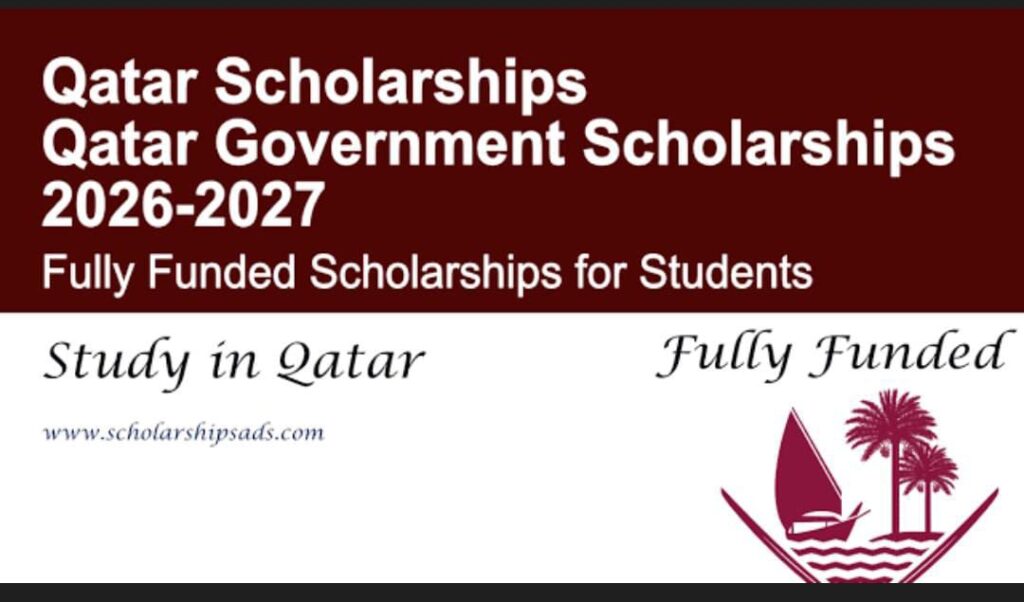
The Qatar Government Scholarship 2026–2027 is one of the most prestigious study programs offered by Qatar’s Ministry of Education and Higher Education. Designed to support academic excellence, this scholarship provides fully funded financial assistance, helping students pursue higher education at top local and international universities. Although the program mainly targets Qatari nationals, it remains a significant part of the country’s education strategy and global academic partnerships.
What Is the Qatar Government Scholarship?
The Qatar Government Scholarship is an official funding program that supports selected students with full financial coverage to study at accredited universities. The scheme includes several categories such as the Amiri Scholarship, Abroad Scholarship, and Local Scholarship Program (Tomouh). Each track offers support for undergraduate, graduate, and specialized academic programs.
Who Can Apply for the Scholarship?
For the 2026–2027 cycle, the scholarship is available exclusively for Qatari citizens. Applicants must meet academic requirements, choose approved fields of study, and meet the eligibility criteria set by the Ministry of Education.
However, international students are not eligible for this government-funded program. Non-Qatari students can apply for other fully funded opportunities such as the Qatar University Scholarship or Hamad Bin Khalifa University Scholarship.
Benefits of the Qatar Government Scholarship 2026–2027
The scholarship provides extensive financial support, including:
100% tuition fee coverage
Monthly stipend for living expenses
Travel allowance and flight tickets (for abroad scholarships)
Housing support or accommodation assistance
Academic and career guidance
Coverage for books, medical insurance, and administrative fees (depending on the program)
This makes it one of the most comprehensive scholarship packages in the region.
Programs and Fields of Study
Scholarship recipients can study in a wide range of disciplines, including:
Engineering
Medicine and Health Sciences
Business and Economics
Law and International Relations
Education and Social Sciences
Creative Industries
Technology and Computer Sciences
Programs are available in Qatar and at globally ranked universities abroad.
Application Dates for 2026–2027
The application window for the Qatar Government Scholarship 2026–2027 typically opens in July and closes between September and October. Applicants must submit all required documents, meet academic standards, and select a program from the approved university list.
Alternatives for International Students
If you are a non-Qatari student looking for fully funded opportunities, consider these scholarships:
Qatar University International Scholarship
Hamad Bin Khalifa University (HBKU) Scholarship
Doha Institute for Graduate Studies Scholarship
These programs offer tuition coverage, accommodation, monthly stipends, and other financial support.
-
Free Government Courses for Youth in Pakistan 2025 | PMYP & NAVTTC Skill Programs

The Government of Pakistan is offering a wide range of free skill-based courses to empower the country’s youth and prepare them for modern job markets. Through national programs like the Prime Minister’s Youth Programme (PMYP) and NAVTTC, thousands of young individuals can learn digital, technical, and vocational skills without paying any fee. These initiatives aim to boost employment, freelancing opportunities, and entrepreneurship in Pakistan.
Government of Pakistan Free Courses – Overview
The government regularly launches free training programs under NAVTTC, PM Youth Skill Development Programme, and digital initiatives like e-Hunar. These programs offer short-term and long-term courses in IT, freelancing, engineering, technology, business, and vocational trades. All courses are fully funded, meaning students do not have to pay tuition or registration fees.
Who Can Apply?
Eligibility for these free courses is simple and youth-friendly:
Pakistani citizen with valid CNIC or Form-B
Age mostly between 18 to 40 years
Minimum education requirement: Matric or Intermediate, depending on the course
Open for male, female, and differently-abled youth
Some programs may have entry tests or basic skill assessments
These guidelines ensure maximum youth participation from all regions of Pakistan.
How to Apply for Government Free Courses
Applying for government-funded courses is easy. Follow these basic steps:
1. Visit the official portal of the relevant program such as pmyp.gov.pk or navttc.gov.pk.
2. Browse the available courses and select your preferred category.
3. Fill out the online application form with your CNIC, education details, and contact information.
4. Upload required documents such as photo and academic certificates.
5. Submit the form and wait for confirmation or shortlisting message.
Once selected, students receive training schedules, institute details, and class timings directly via SMS or portal notification.
Benefits of Government Free Courses
The free training programs offer several advantages for Pakistani youth:
100% free training with no tuition charges
Certified courses recognized by national organizations
Training in high-demand fields like digital marketing, cybersecurity, web development, freelancing, and technical trades
Modern labs, hands-on learning, and practical skill development
Increased chances of employment, freelancing income, and entrepreneurship
Some courses may also offer stipends or project support
These benefits help young people build strong career paths and gain confidence in the workforce.
Popular Course Categories Offered
The Government of Pakistan offers dozens of training tracks, including:
Information Technology & Digital Skills
Freelancing and E-commerce
Plumbing, Electrician, and Technical Trades
Graphic Design, Video Editing & Animation
Hospitality & Tourism
Business Management & Office Skills
Mobile App and Web Development
These courses are designed to match both local and international job market requirements. -
Punjab Announces Major Changes in Matric Exams for 2025–26
Punjab Announces Major Changes in Matric Exams: New System, Updated Marks & Revised Subjects
The Punjab School Education Department has introduced significant reforms in the matric examination system to make assessments more student-friendly and aligned with modern educational needs. These changes will apply to students of Class 9 and 10 starting from the upcoming academic sessions.
Fewer Papers, Updated Marks Distribution
One of the biggest updates is the restructuring of subjects and papers. The total number of matric papers has been reduced, making the overall exam process easier and less stressful for students. Islamiat and Pakistan Studies have now been redesigned with an increased marks structure. Islamiat will be tested in Class 9, while Pakistan Studies will be examined in Class 10, both carrying enhanced marks to improve subject balance.
New Subject Groups for Future Careers
Punjab’s education boards are also introducing new subject-group options such as Health Sciences, Information Technology (IT), Agriculture, and Entrepreneurship. These modern streams will give students more freedom to choose career-relevant paths instead of being limited to only Science or Arts groups.
Reduced and Smart Syllabus
To ease the academic load, a trimmed and more focused syllabus has been announced. The new curriculum emphasizes concept-based learning instead of lengthy, repetitive chapters. This change will help students prepare more effectively without feeling overwhelmed.
Upcoming Grading System & Higher Passing Marks
Punjab is gradually shifting toward a GPA-based grading system similar to international standards. Under the new policy, the minimum passing marks will eventually increase from 33% to 40%, encouraging students to aim for better conceptual understanding and consistent performance.
Revised Exam Schedule for Convenience
Due to Ramadan and Eid timings, some upcoming exam schedules have been shifted. Matric exams for the 2026 session will now be conducted after Eid to ensure students can prepare comfortably without schedule pressure.
What Students Should Expect
Students appearing in upcoming matric exams must prepare according to the revised marks distribution and updated syllabus. Schools, academies, and parents are advised to follow the new guidelines issued by the Punjab boards to stay aligned with the latest policies. -
Punjab Government Launches Interest-Free Bikes for Students – Latest Update

Punjab Interest-Free Bike Scheme: Latest Overview for Students
The Punjab government’s Interest-Free Bike Scheme is an active initiative designed to help college and university students get affordable transportation. Through this program, students can apply for petrol bikes or electric bikes and pay for them in easy monthly installments without any interest, as the government covers all mark-up charges.
The application process is handled through an online portal, followed by a transparent e-balloting system due to the large number of applications. Only shortlisted students move forward to the Bank of Punjab for final approval and installment setup.
Even though the scheme is authentic, the number of available bikes is limited, which makes competition high. To speed up the process, the Bank of Punjab has recently launched special incentive campaigns encouraging selected students to complete their pending steps.
Overall, this scheme aims to reduce travel expenses, support students who commute daily, and promote the use of fuel-efficient and eco-friendly bikes across Punjab. -
Former PM’s Adviser Declared Offender in Case Linked to Controversial Social Media Posts

The declaration of a former prime minister’s adviser as a “proclaimed offender” in a case tied to controversial social media posts has intensified debate over digital expression, political accountability, and the judiciary’s authority in Pakistan’s fast-moving online landscape. According to court officials, the decision followed repeated absences from scheduled hearings, prompting prosecutors to argue that the accused was deliberately evading the legal process while continuing to disseminate content described as defamatory and damaging to the integrity of state institutions. Investigators contend that several of the posts under scrutiny included statements, screenshots, and commentary that allegedly attempted to undermine public confidence in judicial decisions during sensitive political proceedings, contributing to an environment of online hostility and deepening polarization. Cybercrime units have been ordered to compile a complete digital trail of the posts in question, including metadata, cross-platform activity, and any indications of coordinated dissemination, while prosecutors prepare to extend the inquiry into whether the narratives were amplified intentionally to influence public perception at critical political moments.
Legal specialists observing the case note that the proclamation status significantly raises the stakes, as it authorizes authorities to pursue more assertive measures, including property attachment or expanded warrants, if the accused does not comply with summons. At the same time, political analysts argue that the case illustrates the growing tension between personal online commentary and legal boundaries in an era where a single social media post can trigger far-reaching ripple effects within minutes. Supporters of the former adviser insist that the posts represented opinion and criticism within the democratic space, pointing to long-standing concerns about shrinking room for political expression. Meanwhile, legal officials maintain that criticisms cross into unlawful territory when they “erode trust in judicial independence,” a standard that remains the subject of intense public debate. As proceedings advance, the case is expected to test how Pakistan navigates the delicate balance between safeguarding institutional respect and allowing robust political discourse online, particularly at a time when the country’s digital sphere plays an increasingly central role in shaping political narratives and influencing public sentiment.
-
PTI Social Media Team Members Remanded as Court Investigates Online Political Activity
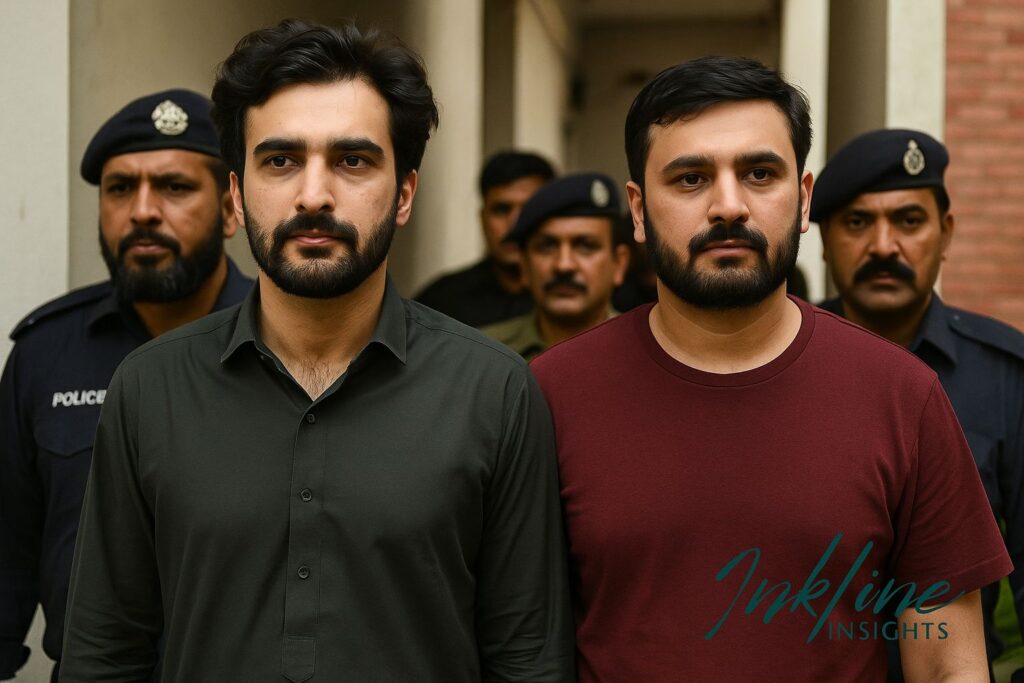
Authorities in Pakistan have tightened their focus on politically active digital networks after two social media volunteers associated with the Pakistan Tehreek-e-Insaf were placed on a 10-day physical remand, a decision issued by an anti-terrorism court following allegations that their online activity contributed to escalating tensions during recent demonstrations. Investigators stated that the pair were part of a group that regularly produced and circulated content during politically sensitive moments, often publishing videos, slogans, and commentary that rapidly spread through various platforms, including “X,” Facebook, and TikTok. Officials claimed that some of the material shared from these accounts coincided with moments of public unrest, prompting law enforcement agencies to examine whether the posts played a role in mobilizing crowds or intensifying confrontations between protestors and police. According to sources linked to the inquiry, digital forensic teams have begun retrieving posting histories, device logs, and communication patterns to determine whether the activists were acting independently or as part of a coordinated online effort aligned with broader political mobilization strategies.
The investigation has drawn attention to how swiftly political narratives can travel within Pakistan’s highly active social media ecosystem, especially during protests or court proceedings involving major political figures. Analysts monitoring the situation noted that several posts linked to the detained individuals reached thousands of users within minutes, with share rates that suggested algorithmic amplification or synchronized engagement from supporters. Authorities believe such rapid dissemination may have contributed to rising tensions on the ground, though digital rights advocates argue that virality alone cannot be treated as evidence of wrongdoing without assessing intent, context, and the authenticity of engagement metrics. The court’s decision to approve an extended remand reflects what officials describe as a need for comprehensive analysis of digital devices, including the recovery of deleted files, encrypted chats, and draft content that may reveal the internal strategy behind the online activity.
The detentions have reignited national debate surrounding the intersection of political expression, online activism, and law enforcement oversight. Supporters of the activists maintain that their posts represented routine political commentary rather than incitement, emphasizing that social media has long served as a platform for grassroots mobilization in Pakistan. Meanwhile, security agencies insist that recent unrest has demonstrated the potential of online narratives to escalate into real-world disruption, and they argue that understanding the digital dimensions of protests is essential for public safety. As the case progresses, it has underscored broader questions about how political communication is regulated in an era where a single post can shift public sentiment at unprecedented speed, and where the boundary between activism and agitation is becoming increasingly complex within the country’s evolving political landscape. -
Government Launches Crackdown on Fake News After Findings Reveal Widespread Misinformation
The Pakistani government has announced a renewed crackdown on the spread of fabricated news online after internal assessments suggested that “a significant majority” of viral social media content circulating during major political and security events contained misleading, exaggerated, or entirely false information. Officials involved in the review stated that widespread misinformation had contributed to public confusion, rapid shifts in online sentiment, and the amplification of emotionally charged narratives that often lacked credible sourcing. According to preliminary findings shared by authorities, false claims frequently originated from small clusters of accounts before being replicated across larger networks, where reposting patterns created the appearance of authenticity. Analysts also noted that manipulated videos, edited screenshots, and AI-generated content played an increasingly central role in shaping online discourse, with some fabricated posts gaining “hundreds of thousands of impressions within hours,” a scale that prompted concerns about the potential for real-world consequences.
Government representatives indicated that the new crackdown will include deeper collaboration with major platforms to request metadata on suspicious accounts, as well as measures to identify automated posting activity, coordinated networks, and monetized pages that profit from sensational misinformation. Officials emphasized that many misleading narratives spread through “emotion-driven phrasing” and leveraged trending hashtags to accelerate visibility, turning minor claims into high-traffic discussions. Cybercrime units have been instructed to map posting behaviours and trace linkages between repeat offenders, particularly those using anonymous profiles or foreign IP routing to obscure their identities. The interior ministry has also signalled its intention to tighten regulatory frameworks surrounding digital content, arguing that unchecked misinformation risks destabilizing public trust during sensitive national developments.
Digital rights advocates, meanwhile, have urged the government to maintain transparency in enforcement, cautioning that broad crackdowns could unintentionally restrict critical commentary or legitimate political speech if not overseen with clear safeguards. They highlighted that misinformation is a global challenge, often requiring educational and technological solutions rather than purely punitive measures. However, officials insist that the scale and speed of recent false information campaigns necessitate immediate intervention, describing the effort as essential for protecting “information integrity” in the country’s rapidly evolving online ecosystem. As platforms, policymakers, and civil society debate the balance between regulation and expression, the crackdown marks a pivotal moment in Pakistan’s attempt to manage the growing influence of digital narratives on public perception and national stability. -
Pakistan Identifies Network of Anti-State Social Media Accounts in Major Probe
Pakistan has intensified its efforts to uncover digital networks accused of spreading “anti-state narratives,” marking one of the country’s most significant investigations into online propaganda in recent years. According to officials involved in the probe, data analysts and cybercrime units have been tracing patterns of coordinated activity across multiple platforms, including “X,” Facebook, and TikTok, where clusters of accounts were reportedly amplifying misleading stories, fabricated political claims, and content deemed harmful to national security. Investigators noted that many of these accounts displayed “synchronized posting behaviour,” suggesting central planning rather than organic user engagement, and their activity peaked during heightened political tensions, especially around major legal proceedings and government policy decisions. Authorities revealed that some of the traced accounts were operating behind VPNs and foreign IP addresses, complicating the tracking process, yet forensic cyber tools allowed teams to map posting frequencies, device fingerprints, and connection histories, leading to what officials describe as a “credible reconstruction” of the network’s structure. Sources within the inquiry claim that the number of accounts under observation has crossed “several hundred,” though the exact figure has not been officially disclosed, as the investigation is ongoing and additional user profiles are still being evaluated for links to coordinated digital manipulation.
The probe also highlighted concerns regarding the rapid spread of unverified information, noting that manipulated screenshots, AI-generated images, and repurposed video clips played a major role in influencing online audiences. Analysts reported that some posts reached “tens of thousands of interactions within minutes,” indicating the presence of automated boosting or bot-like behaviour. Cybersecurity experts assisting the government suggested that at least a portion of these accounts may be tied to external actors seeking to exploit political divides for strategic gain, though this remains under verification. Meanwhile, digital rights groups have urged the government to ensure that the investigation distinguishes between malicious activity and legitimate political expression, warning against overreach in an already sensitive online environment.
Officials stated that the ongoing inquiry aims not only to identify the individuals behind the accounts but also to evaluate the economic and political impact of the disinformation network, particularly its influence on public opinion during key national developments. As part of the operation, teams are compiling data on engagement patterns, geographical distribution of account origins, and the financial incentives that may be driving the creation of high-traffic misinformation pages. The government has also indicated plans to collaborate with international platforms to request metadata and enforce stricter monitoring of harmful content, a move that may shape the future of digital governance in the country.
The investigation, still expanding in scope, signifies Pakistan’s attempt to confront the increasing sophistication of online influence campaigns, and officials argue that strengthening digital security is essential to national stability. However, the broader public debate continues over issues of transparency, data protection, and the potential implications for freedom of speech in a rapidly evolving social media landscape. -
New Gas Load-Shedding Schedule 2025 Announced by Government

The government has introduced a revised gas load-shedding schedule to manage rising winter demand and ensure fair distribution of supply across major cities. According to the updated plan, households will receive gas only during specific time windows throughout the day.
⏱ Daily Gas Supply Timings (New Winter Schedule)
Under the new schedule, domestic consumers can expect gas during the following hours:
Morning: 5:30 AM to 8:30 AM
Midday: 11:30 AM to 1:30 PM
Evening: 5:30 PM to 8:30 PM
Outside these time slots, gas pressure may remain low or completely unavailable in most areas.
🔎 Why This New Schedule?
The government has stated that the adjustment is necessary due to increased winter consumption, especially for heating and cooking. Limited gas reserves and higher demand have forced the authorities to introduce fixed supply hours to avoid sudden outages and ensure more consistent distribution.
📍 Areas Affected
The new schedule applies to regions served by Sui Northern Gas Pipelines Limited (SNGPL), including:
Islamabad
Rawalpindi
Lahore
Other major northern and central cities
📢 What Consumers Should Expect
Residents are advised to plan their cooking and heating needs around these designated timings. Gas pressure may fluctuate depending on weather conditions and local demand, but authorities claim the schedule will help reduce unexpected disruptions.