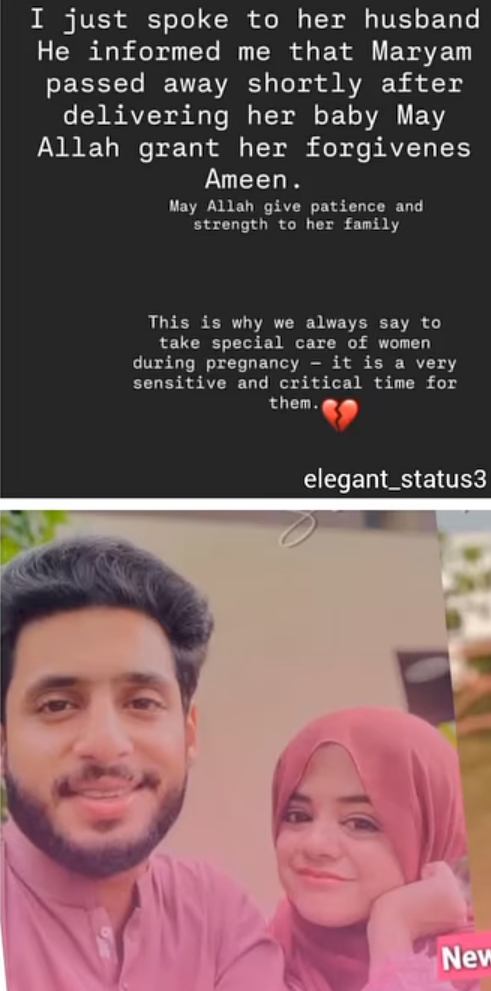
Pakistani TikTok and social-media influencer Pyari Maryam has tragically passed away during childbirth, leaving her fans and the online community in deep shock. According to family announcements shared on her official social accounts, Maryam faced severe complications during delivery and, despite medical efforts, she could not survive. Reports also state that her newborn did not make it.
Maryam was widely loved for her warm personality, lifestyle videos, and positive presence across social platforms. News of her sudden passing has led to an outpouring of condolences from followers, fellow influencers, and celebrities who admired her work.
Her death has also sparked discussions about the need for better maternal healthcare and stronger support systems for expectant mothers in Pakistan. Fans continue to share memories, prayers, and tributes in her honor.
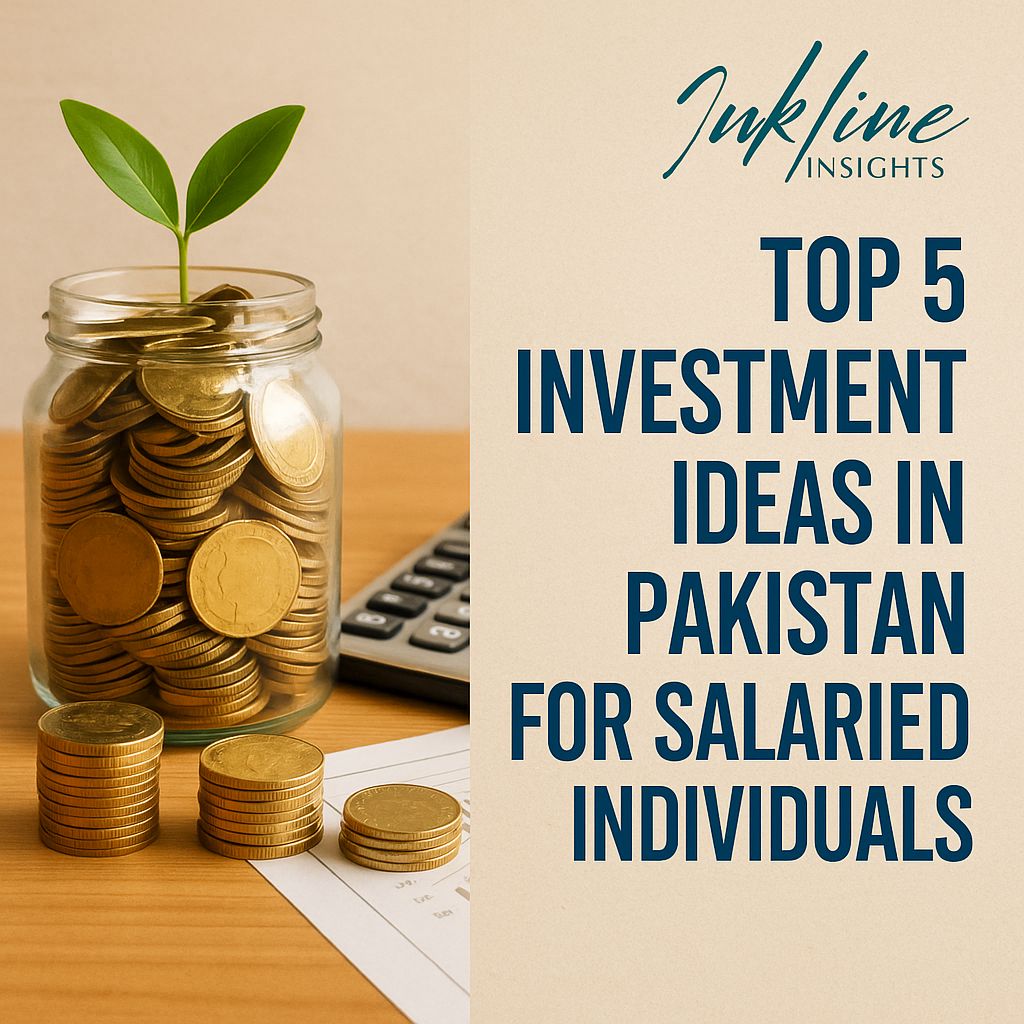
For salaried individuals in Pakistan, building financial security has become increasingly challenging due to persistent inflation—hovering around 22–26% during recent fiscal cycles and the sharp devaluation of the rupee, which has eroded purchasing power and savings. As a result, strategic and diversified investment planning has become essential for anyone hoping to grow wealth sustainably.
1. One of the safest and most reliable avenues is investing in Islamic saving and income certificates, particularly those offered by Meezan Bank, where annual halal returns often range between 13–17%, making them attractive for risk-averse earners who want predictable monthly profit.
2.Mutual funds have also surged in popularity, especially medium-risk income and asset allocation funds managed by UBL Funds, Al Meezan, and MCB Arif Habib; data from fund managers shows 10–18% annualized returns over the past three years, depending on market conditions.
3.Real estate remains a long-term wealth builder, especially in developing areas around Lahore’s Ring Road, Karachi’s Bahria Town vicinity, and Islamabad’s new commercial belts, where property values have appreciated 35–60% in five years, outperforming bank deposits and even gold in some intervals.
4. Speaking of gold, it continues to serve as one of Pakistan’s strongest hedges against inflation, with prices doubling within a 24- month period and offering quick liquidity during emergencies.
5. Younger professionals increasingly lean toward digital micro-investment options through platforms like NayaPay, SadaPay, and Certificate-based Roshan Digital accounts, which offer small but steady returns with minimal entry barriers.
By combining secure instruments like Islamic certificates with high-growth assets such as gold and real estate, salaried individuals can create a balanced financial plan that protects them against economic volatility while steadily increasing long-term wealth.
Green Entertainment has redefined Pakistan’s TV landscape by introducing a slate of highly original and socially intelligent dramas such as “Siyaah Series,” “Abdullahpur Ka Devdas,” “Idiot,” “72 Hours,” “Kabli Pulao,” “Jeevan Nagar,” “College Gate,”and “Gunjal.” Each of these dramas represents the channel’s commitment to breaking away from formula-based storytelling and moving toward cinematic narratives grounded in cultural realities. “Kabli Pulao,” one of the network’s most celebrated productions, gained extraordinary traction for its sensitive portrayal of an unconventional marriage between an older Pakistani man and an Afghan girl—an idea rarely explored on mainstream TV. It became one of the most-discussed dramas online, recording more than 40 million combined digital views across platforms due to its heartfelt writing, subtle performances, and exploration of migration, identity, and human dignity. “Idiot,” starring Ahmed Ali Akbar, tackled the psychology of rebellion, addressing how young Pakistanis struggle with societal expectations; it resonated strongly with university students and recorded a significant 15% rise in viewership during its mid-season episodes. Similarly, “Abdullahpur Ka Devdas” brought a poetic, literature-inspired storyline back into mainstream attention, combining visually rich cinematography with themes of unfulfilled love and emotional rivalry, showcasing the channel’s ability to balance artistry with entertainment.
Green Entertainment’s anthology horror-thriller “Siyaah Series”also marked a bold move, offering high-quality genre storytelling that Pakistani TV rarely attempts. Through allegorical supernatural tales, the series explored deep-rooted issues such as domestic trauma, mental illness, and moral corruption, making it both socially relevant and visually compelling. Meanwhile, “College Gate,” a youth-centered drama, accurately depicted modern student life, addressing peer pressure, class divides, friendship dynamics, and career anxieties; the show became widely followed by teenagers and young adults, indicating that Green Entertainment successfully tapped into an audience historically underserved by mainstream channels. “Jeevan Nagar,” starring Sohail Ahmed, delivered sharp political satire blended with small-town storytelling, subtly reflecting Pakistan’s socio-political tensions while maintaining humor and emotional grounding. “72 Hours” and “Gunjal” tackled crime, investigative journalism, and moral dilemmas, reinforcing the network’s commitment to realism and societal critique. These dramas collectively demonstrate that Green Entertainment is not only producing content but reshaping the ideological fabric of Pakistani television—moving it toward thoughtful conversation, psychological depth, and aesthetic elevation.
Industry analysts reveal that since the release of these titles, Green Entertainment has achieved a remarkable 30–35% increase in digital audience retention, especially on YouTube where its storytelling style aligns with binge-watching behavior. Its scripts often undergo research-based development cycles, where writers map character arcs based on sociological studies, leading to narratives that mirror real Pakistani experiences rather than exaggerated melodrama. This modern approach, combined with the introduction of fresh faces and experimental directors, continues to position Green as Pakistan’s most progressive entertainment space. As audiences increasingly demand meaningful stories, authentic characters, and high production quality, Green Entertainment stands at the forefront of a cultural shift—one that may ultimately push the entire drama industry toward innovation and narrative courage.
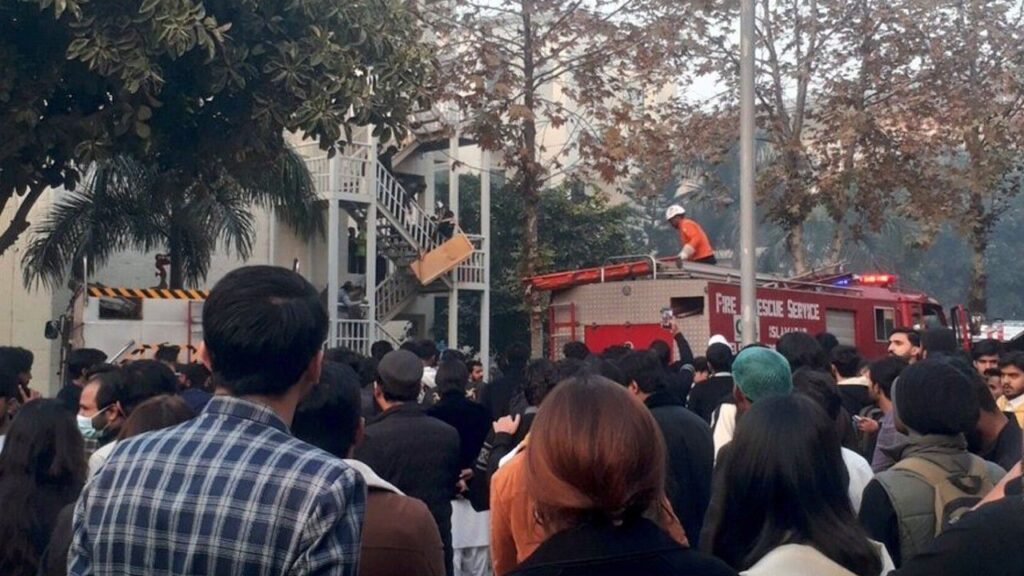
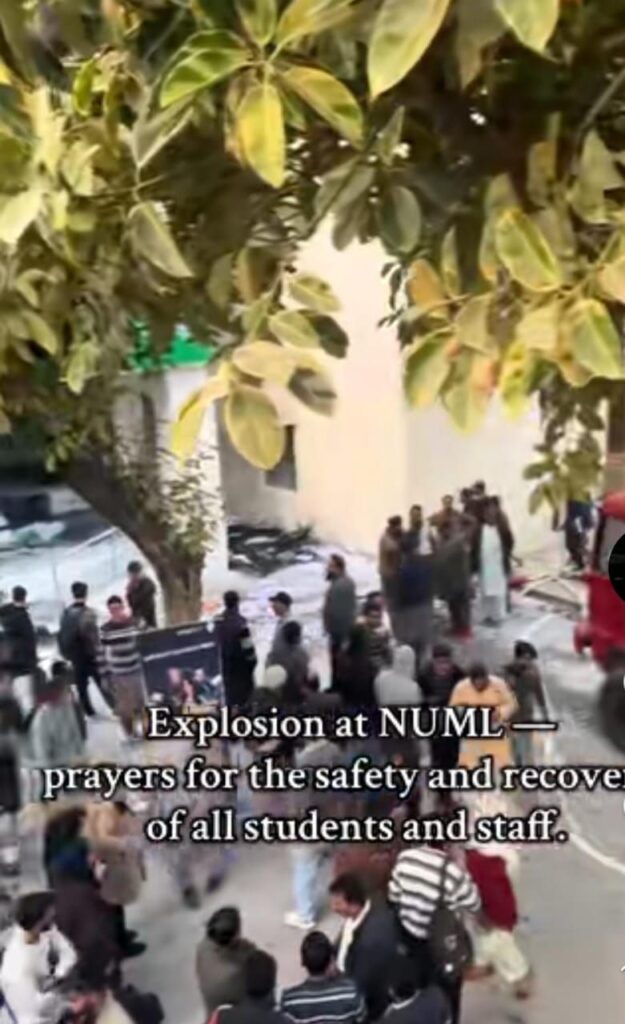
A gas leak explosion rocked the National University of Modern Languages (NUML) in Islamabad, Pakistan, injuring seven people, including five students. The blast occurred around 4 pm in a prayer room near a clerk’s office.
The explosion was caused by a gas leak that ignited when the university’s gas connection was turned on after the summer break. The injured include a clerk with severe burn injuries and five students with minor injuries.
Emergency services responded quickly, and the fire was brought under control. The damage was contained to a single room, and the rest of the building was not affected.
The police are investigating the incident and have ruled out the use of explosives. The university has been instructed to check all gas lines and connections to prevent similar incidents in the future.
The incident highlights the importance of ensuring gas safety in public buildings, especially educational institutions.
Staying on top of traffic challans is crucial to avoid fines and penalties. If you’ve received a traffic ticket in Pakistan, you can easily check and pay your e-challan online.
Check Your E-Challan in Minutes
Visit the official websites of Punjab Safe City Authority, Sindh Police, or Islamabad Police, and enter your vehicle registration number or CNIC to view and pay your challan.
New Traffic Challan Rates in Punjab (Effective December 2025)
Some of the updated rates include:
Over Speeding: Rs2,000 – Rs15,000
No Helmet: Rs2,000
Driving Without License: Rs2,000 – Rs15,000
Signal Violation: Rs3,000 – Rs15,000
You can pay your challan through various channels, including Easypaisa, JazzCash, Bank of Punjab, online banking apps, ATMs, and NADRA e-Sahulat centers.
Regularly checking your e-challan can save you from hefty fines and license suspension.
For many young people in Pakistan, the years following college are filled with uncertainty, pressure, and expectations. Society often teaches students that earning a degree is the ultimate key to success, yet the reality of Pakistan’s job market tells a different story. Every year, thousands of graduates enter the workforce with high hopes, only to discover that opportunities are limited and competition is overwhelming. This growing gap between degrees and real employment has made it clear that relying solely on traditional education is no longer enough. Today’s youth need practical skills, technical expertise, and entrepreneurial thinking to build secure and independent futures.
In a country where unemployment continues to rise, especially among fresh graduates, skill development has become far more valuable than simply collecting certificates. A degree may give you theoretical understanding, but a skill gives you the ability to earn. Whether it is digital marketing, graphic design, video editing, programming, photography, content writing, Amazon FBA, dropshipping, or mobile repair, each skill creates a direct path toward financial independence. The truth is that many of the world’s most in-demand careers do not require a traditional degree but instead rely on creativity, discipline, and continuous learning—qualities that anyone can develop. For young friends in Pakistan, learning even one strong skill can open more doors than waiting for a government job or applying endlessly to corporate offices.
Entrepreneurship is another powerful alternative that Pakistani youth should seriously consider. Instead of waiting for someone to hire them, young people can explore ways to build something of their own. Small startups, online businesses, freelancing careers, home-based services, and e-commerce stores require little capital today compared to the past. Many successful entrepreneurs in Pakistan began with nothing but a laptop and a skill. When you invest in yourself—your abilities, your creativity, your persistence—you create opportunities that do not depend on the economic conditions of the country. Entrepreneurship also teaches discipline, financial management, problem-solving, and confidence, all of which strengthen personal growth far more than memorizing textbooks.
This does not mean that degrees have no value. If a student is passionate about a specific field—medicine, engineering, law, or teaching—then investing in higher education can still be meaningful. But even within those fields, practical skills and real-world experience matter more than just passing exams. The mindset must shift: education should not be about collecting qualifications but about gaining abilities that can be used to build a career. A degree alone is no longer a guarantee of success in Pakistan; a combination of education, skill, and innovation is what truly drives progress.
After college, instead of worrying about job scarcity, Pakistani youth should ask themselves what useful skills they have developed and how they can turn those skills into income. Waiting for opportunities is passive—creating them is empowering. The future belongs to those who adapt, those who learn continuously, and those who are willing to take risks. Whether it is freelancing, starting a small business, offering services, or joining the digital economy, young people today have more options than any previous generation. With the right mindset, Pakistan’s youth can transform their challenges into possibilities and build careers beyond the limitations of traditional employment.
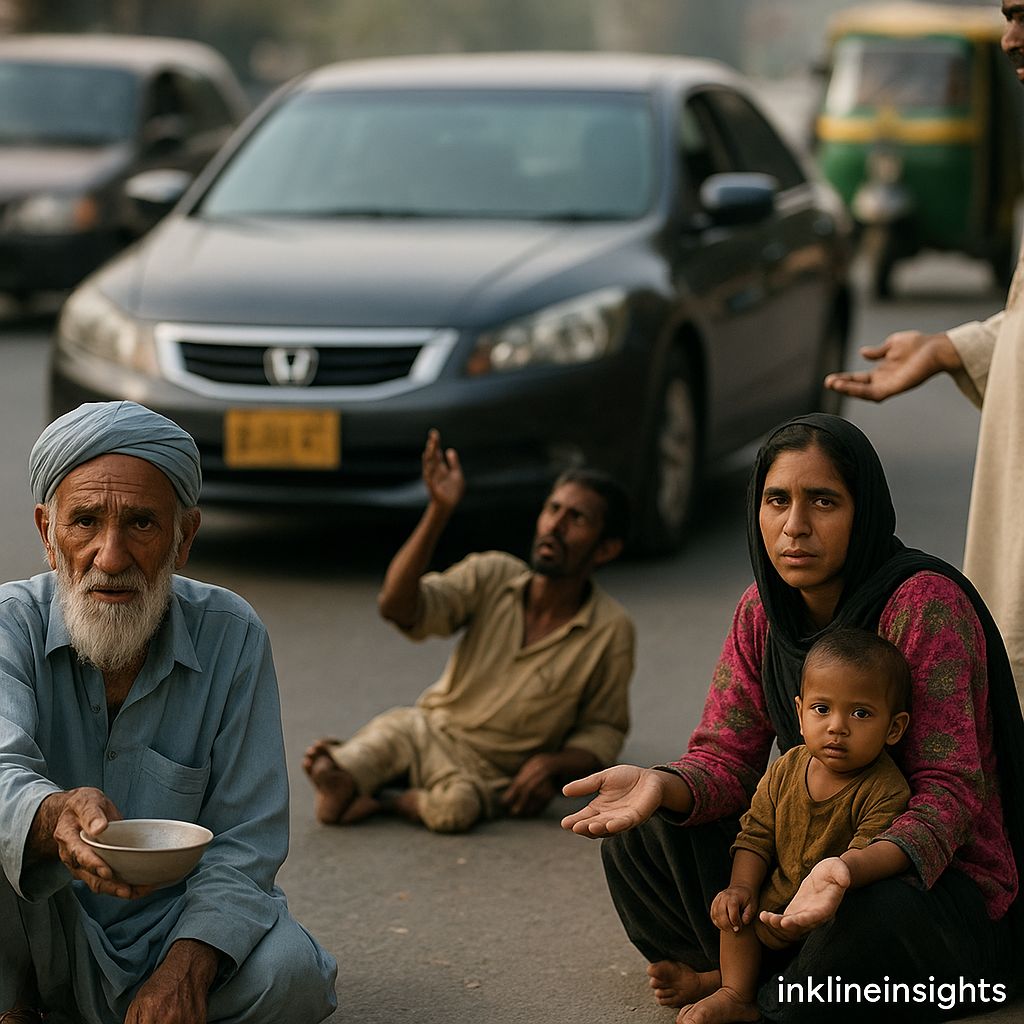
In Pakistan, begging has become a lucrative business, with some beggars earning more than people with jobs. This phenomenon has raised concerns about the erosion of self-respect and the lack of opportunities for economic mobility. A stark example is the comparison between the wages earned by workers and the alms given to beggars. For instance, filling a car tire with air costs 50 rupees, the same amount is often given to beggars on the streets.
Begging in Pakistan: A Growing Concern
Begging is a pervasive issue in Pakistan, with millions of people relying on charity for survival. According to estimates, there are over 3.5 million beggars in the country, with many more engaged in organized begging rings. The ease of earning money through begging has led to a lack of motivation among some individuals to seek employment, further exacerbating the problem.
A Comparison with Other Countries
In contrast, many countries have implemented strict laws and regulations to curb begging. For example: Country Begging Laws Punishment Singapore Prohibited Up to 3 months imprisonment or fine of $500 United States Regulated Varies by state, fines and imprisonment possible United Kingdom Regulated Fines and imprisonment possible India Prohibited in some states Fines and imprisonment possible In Pakistan, while there are laws against begging, they are often not enforced effectively. The lack of stringent measures has contributed to the growth of begging as a profession.
Measures the Government Should Take
To address this issue, the government should:
1. Enforce existing laws: Implement laws against begging more effectively, targeting organized begging rings. 2. Provide alternative livelihoods: Offer job training and employment opportunities to those who are able to work. 3. Improve social safety nets: Expand programs like the Benazir Income Support Programme (BISP) to support vulnerable populations. 4. Raise awareness: Launch public awareness campaigns to discourage begging and promote a culture of self-respect. 5. Encourage corporate social responsibility: Partner with businesses to support initiatives that provide employment and training to those in need.
By taking these steps, the government can help reduce begging and promote a more dignified society where people are encouraged to work and earn a living.
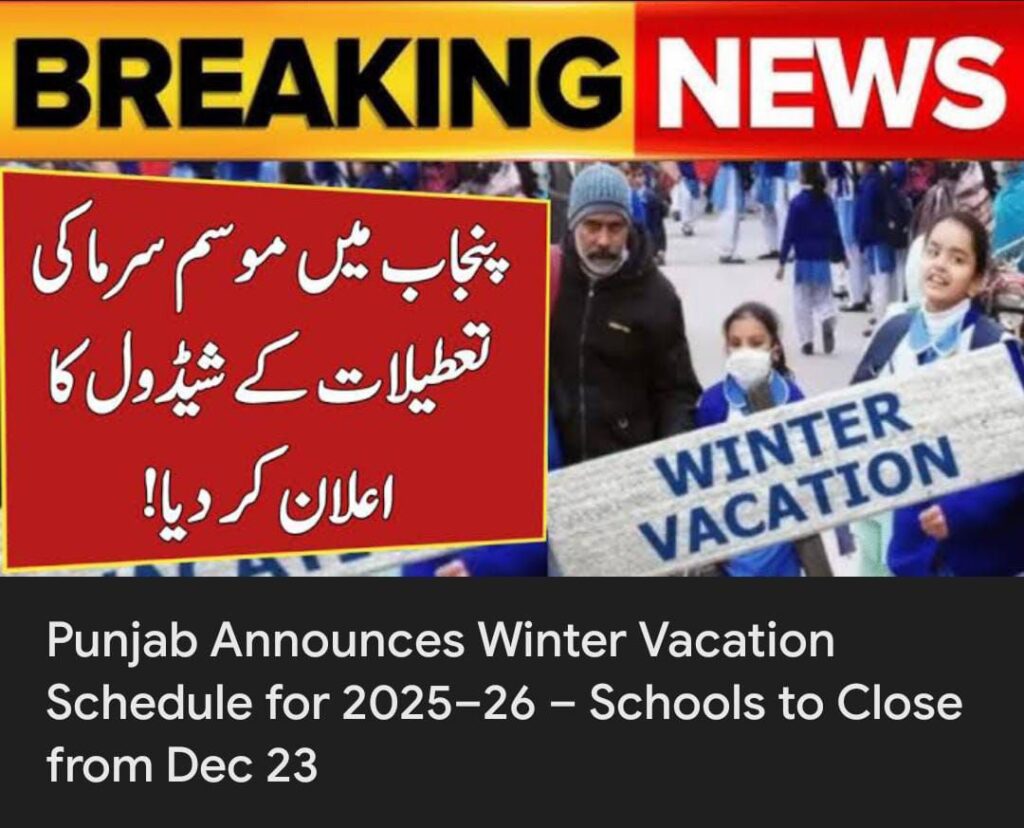
The winter vacation schedule for schools in Punjab, Pakistan, is set to begin on December 23, 2025, and end on January 11, 2026. Schools will reopen on January 12, 2026. This schedule applies uniformly to both public and private institutions, with first-semester exams in government schools being rescheduled.
The primary goal of this break is to safeguard students from harsh winter conditions, including extreme cold and fog. For the most accurate and up-to-date information, it’s best to check directly with your school or university or monitor their official websites and social media channels .
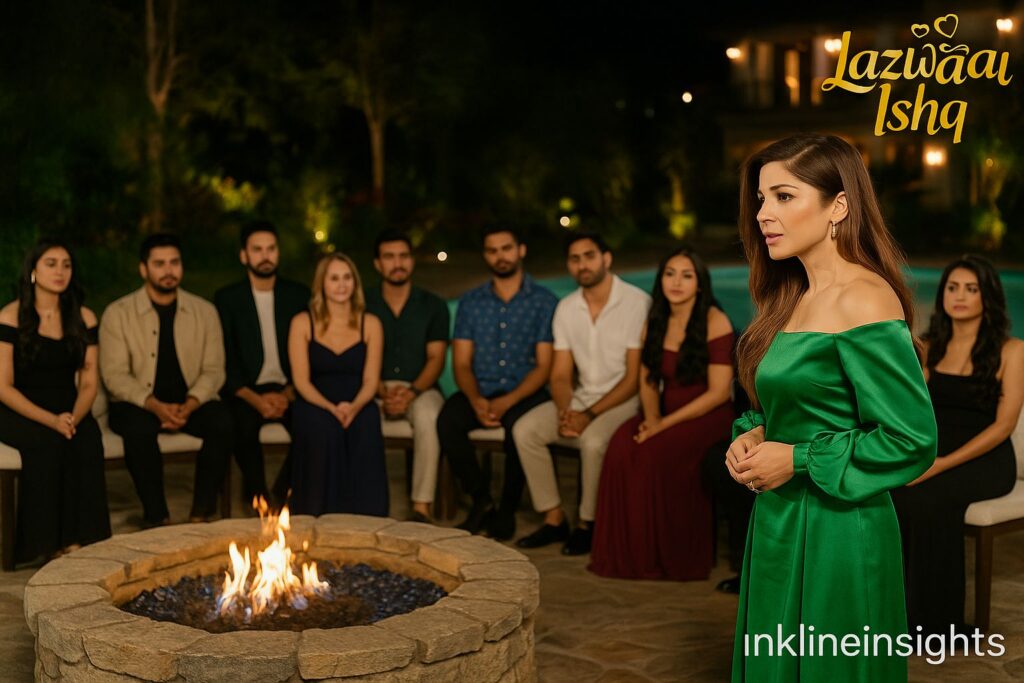
“Lazwaal Ishq,” the new Urdu reality show hosted by Ayesha Umar, has become one of the most talked-about programs in Pakistan—not because it reflects local culture, but because it challenges it. The show attempts to introduce a Western-style love-based reality format to Pakistani viewers, placing contestants together in a glamorous villa setup where they interact, form connections, express emotions, and navigate attraction in front of the camera. While this formula works in many countries, it has sparked intense debate in Pakistan due to the country’s cultural, traditional, and religious expectations regarding modesty, privacy, and public displays of affection.
In Pakistan’s cultural landscape, matters of love, relationships, and personal bonds are usually kept private and handled with a sense of dignity and restraint. For many viewers, a reality show centered entirely on public expressions of romance feels disconnected from social norms. Critics argue that the show gives visibility to a lifestyle that contradicts Islamic values and the conservative identity of Pakistani society. Several people online have stated that such formats do not align with the moral, ethical, or religious boundaries the country traditionally upholds, and for this reason, it has been labeled “misfit content” for the local environment.
Despite the heavy criticism, an interesting contradiction has emerged. Even those who strongly oppose the show continue to watch it, react to it, and make reels, memes, and commentary videos about it. Their constant analysis and ongoing discussions are indirectly contributing to the show’s popularity and online reach. Viewers who claim they dislike the content are also the ones generating engagement by dissecting episodes, sharing clips, and uploading reaction videos. This cycle boosts the algorithm, increases visibility, and ultimately promotes the show. The irony is clear: if someone genuinely believes the show is harmful, culturally inappropriate, or against religious values, then the most logical response would be to stop watching it entirely. Watching something only to criticize it still counts as viewership and helps it grow.
Public opinion on social media is divided, yet several repeating sentiments have surfaced among critics. Many argue that the format feels forced and borrowed from Western reality shows, making it appear out of touch with Pakistani values. Others express discomfort at scenes where contestants openly discuss attraction, emotions, or personal pasts. Some viewers say that the show intentionally uses glamour and controversy as tools to attract attention, rather than offering meaningful content. One common comment seen on social media is that “content like this may reflect global trends but has no place in a country built on modesty and Islamic guidelines.” Another viewer wrote that watching people compete for romantic attention on screen “feels awkward, unnatural, and unnecessary in a society where relationships are treated with seriousness and respect.”
Even with these reactions, the show continues to receive significant traffic online. The digital generation, curious about new content forms, tends to click on episodes even if they disagree with them. As long as people keep watching it out of curiosity or criticism, the viewership numbers will stay strong. This reveals a broader truth about modern media: audience engagement—positive or negative—adds to a show’s momentum. The more people talk about Lazwaal Ishq, the more it spreads, regardless of whether the conversation is supportive or disapproving.
In reality, Lazwaal Ishq may not represent Pakistani culture, nor does its format align with Islamic principles. For those who find it inappropriate, deliberately avoiding it would be the most effective form of protest. Continuing to watch it only contradicts the criticism and helps the program thrive. The show exists in a space between fascination and rejection, and its rise in viewership, despite widespread disapproval, highlights the complexity of how modern digital audiences consume and react to controversial content.
Karachi, a city of over twenty million people, has long faced challenges related to urban infrastructure, with open manholes ranking among the most dangerous hazards for pedestrians and commuters. In recent years, the FixIt team of Karachi has emerged as one of the most active citizen-driven initiatives addressing this recurring problem. The movement, widely recognized for its hands-on approach, focuses on rapidly covering open manholes, raising awareness about public safety, and holding civic authorities accountable. Their efforts have not only prevented countless accidents but have also pushed the broader conversation about urban responsibility and community involvement to the forefront.
The FixIt campaign was founded by Alamgir Khan, a social activist who first gained public attention through symbolic protests aimed at highlighting neglected civic issues across Karachi. Khan began by spray-painting the face of government officials near potholes, garbage dumps, and damaged roads to draw immediate attention to the problems ignored by local authorities. This creative yet impactful method quickly gained popularity, turning FixIt from a lone protest into a citywide volunteer movement committed to improving daily life for Karachi residents. Khan’s philosophy centers on community empowerment—encouraging citizens to take ownership of their surroundings rather than waiting endlessly for bureaucratic action.
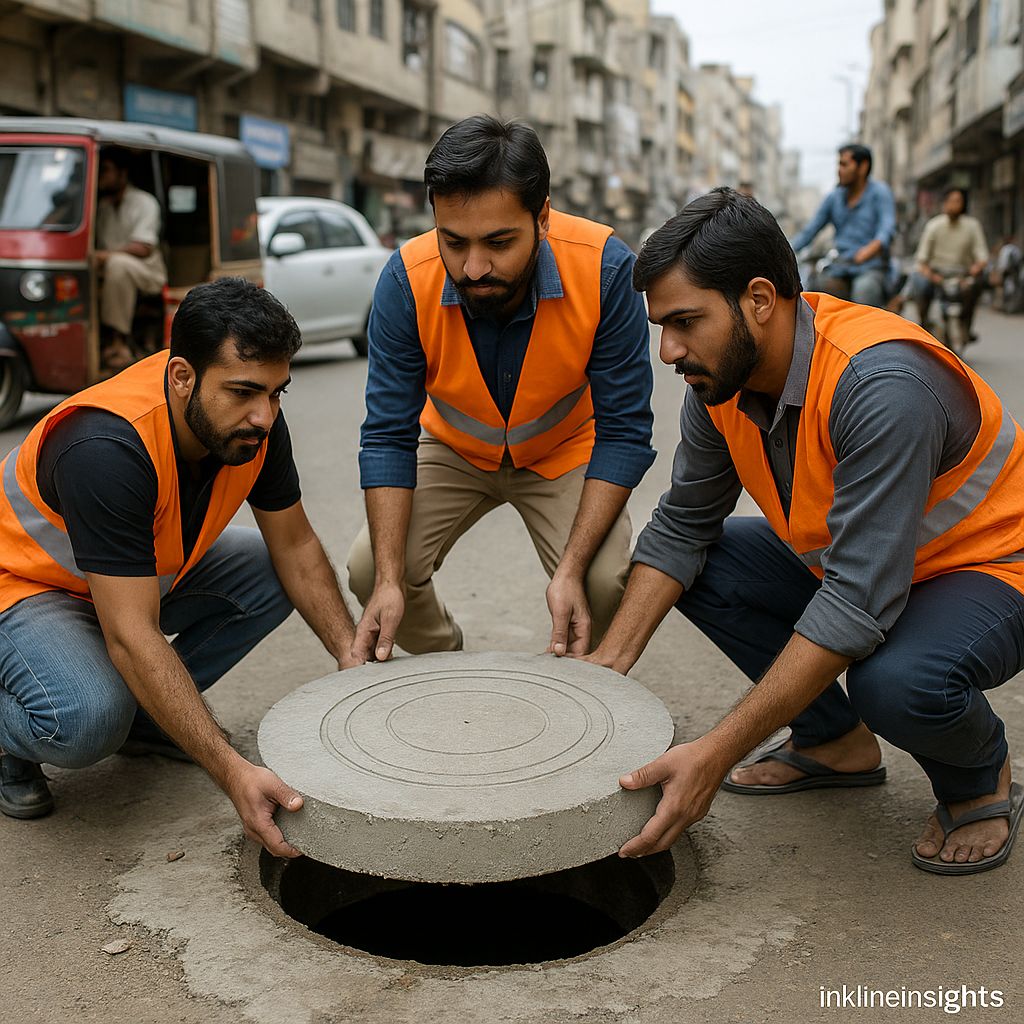
Among its most notable contributions is FixIt’s sustained effort to locate, report, and cover open manholes throughout Karachi. Volunteers frequently patrol high-risk neighborhoods, particularly those with heavy foot traffic or near schools and marketplaces. When an uncovered manhole is found, they either temporarily cover it using available materials or install a more stable solution, depending on resources. The goal is always immediate safety first, followed by proper reporting to municipal bodies to ensure long-term repair. This proactive intervention has saved children, motorcyclists, and pedestrians from serious injuries, and in many cases from fatal accidents. As Karachi continues to struggle with damaged drainage systems, the FixIt team plays a crucial supplemental role in keeping the city safer.
Beyond covering manholes, the FixIt initiative has undertaken several other impactful projects that demonstrate its commitment to civic improvement. Volunteers regularly organize street-cleaning drives, removing garbage from public spaces where municipal services are insufficient. The team has installed public water coolers during intense Karachi summers, ensuring that passersby have access to clean drinking water. During winter, they have distributed warm clothing and blankets to underprivileged families. FixIt has also launched campaigns promoting education access, including the placement of donation boxes where people can contribute books, school supplies, and even funds for student support. These diverse efforts highlight the group’s dedication to improving both the physical environment and the social well-being of the community.
Over the years, FixIt has grown from a symbolic protest movement into a structured volunteer force that collaborates with local communities to identify problems and take swift action. While they cannot replace the responsibilities of governmental departments, their work has pressured authorities to act faster and more responsibly. The visibility of FixIt’s actions has also inspired ordinary citizens to participate in civic improvement, proving that grassroots efforts can make a meaningful difference even in a city as large and complex as Karachi.
The role of Karachi’s FixIt team in covering manholes and addressing civic neglect reflects a broader shift toward community-driven solutions. Their hands-on approach, guided by the passion and leadership of founder Alamgir Khan, continues to foster a culture of accountability, awareness, and collective responsibility. As the city evolves and faces new infrastructural challenges, FixIt remains a symbol of what can be achieved when citizens unite with purpose and determination to make their environment safer and more humane for everyone.