Category: Pakistan News & Insights

  • Most Popular Car Colors in Pakistan: Why White, Silver, and Black Dominate the Market


    Choosing the right car color in Pakistan is more than just a style decision. Due to climate conditions, resale value, fuel efficiency, and market demand, certain colors dominate the automotive industry. White, silver, and black are the most popular car colors in Pakistan, and they continue to overwhelm the local market year after year.

    This article explores the most common car colors in Pakistan, their scientific impact on heat absorption, price comparison, and how color choice affects comfort, maintenance, and resale value.


    Why White Cars Are Most Popular in Pakistan

    White is the best-selling car color in Pakistan, especially for locally manufactured vehicles. One major reason for this trend is Pakistan’s hot climate.

    Scientific Benefits of White Cars

    From a scientific point of view, white and light-colored cars reflect most of the sunlight and heat energy. Unlike dark colors, white surfaces are poor absorbers of heat and act as effective reflectors.

    Advantages of white cars in Pakistan:

    • Lower interior temperature in summer
    • Reduced air conditioner usage
    • Better fuel efficiency
    • Increased comfort during long drives
    • Longer life of interior materials

    Because white reflects heat waves efficiently, it helps the car remain cooler even when parked under direct sunlight.

    Resale Value and Market Demand

    White cars also offer higher resale value in Pakistan. They are easier to sell, cheaper to repaint, and widely accepted by buyers. Due to their popularity, white cars often maintain stable prices in the used car market.


    Silver Cars in Pakistan: A Balance of Style and Practicality

    Silver is another high-demand car color in Pakistan, particularly among office users and families.

    Advantages of Silver Color Cars

    Silver cars:

    • Reflect heat better than dark colors
    • Hide dust, scratches, and swirl marks
    • Require less frequent cleaning
    • Maintain a modern and professional appearance

    In cities with high pollution and dust, silver cars are considered low-maintenance vehicles, making them ideal for daily commuting.


    Black Cars in Pakistan: Luxury with a Cost

    Black cars are widely associated with luxury, power, and prestige. They are especially popular in executive and high-end vehicle categories.

    Scientific Drawbacks of Black Cars

    Scientifically, black is a strong absorber of heat. Dark-colored vehicles absorb more thermal energy, which increases the cabin temperature.

    Disadvantages of black cars:

    • Higher heat absorption
    • Increased AC usage
    • Slightly higher fuel consumption
    • Visible dust, scratches, and fading

    Despite these drawbacks, black remains a preferred color for those who prioritize aesthetics and status.


    Car Color and Price Comparison in Pakistan

    Car color can also influence vehicle pricing.

    • White cars are generally more affordable and widely available
    • Silver cars fall in the mid-price range
    • Black cars are often slightly more expensive due to higher demand in premium segments

    Black vehicles may cost more due to maintenance expenses, detailing requirements, and luxury perception rather than production cost.


    Best Car Color for Pakistan’s Climate

    Considering Pakistan’s weather conditions, light-colored and shiny cars perform better. These colors reflect more sunlight, reducing heat absorption and improving driving comfort.

    Best choices by priority:

    • For hot weather and fuel efficiency: White
    • For low maintenance and durability: Silver
    • For luxury and appearance: Black

    Final Verdict: Which Car Color Should You Choose?

    In Pakistan, white, silver, and black dominate the automobile market for practical and economic reasons. White remains the most preferred due to its cooling effect, high resale value, and affordability. Silver offers a balance between style and maintenance, while black delivers elegance at the cost of comfort and upkeep.

    Understanding the science of car colors, market trends, and climate impact can help buyers make a smarter investment decision.

  • Digital Transformation in Pakistan: Government Apps, Smart Services, and a Comparison with Developed Nations

    Pakistan is steadily moving toward a digitally connected future, and this transformation has become increasingly visible over the last few years. While mobile applications are not a new concept globally, their growing adoption in Pakistan—particularly through government-led digital initiatives—marks a significant change in how citizens access public services. These developments indicate a shift toward efficiency, transparency, and convenience in everyday life.

    One of the most notable aspects of this transformation is the expansion of official government mobile applications. Platforms such as the NADRA Pak Identity app, police service apps, online payment portals, and youth-focused digital initiatives have simplified processes that previously required physical visits and long waiting times. These efforts reflect Pakistan’s gradual move toward e-governance and smart public service delivery.

    NADRA Digital Services and Identity Management

    The NADRA mobile application represents a major breakthrough in Pakistan’s digital journey. Citizens can now apply for, modify, or renew their Computerized National Identity Cards (CNIC) through the app by uploading personal information, photographs, and documents online. This digital process reduces congestion at NADRA offices, saves time, and improves administrative efficiency. It also demonstrates how technology can make essential services more accessible to the public.

    Online Payments and Digital Convenience

    Digitalization in Pakistan has also improved financial and administrative convenience. Utility bills, government dues, and educational fees can now be submitted online through mobile apps and digital platforms. These services reduce paperwork, enhance transaction transparency, and make record-keeping easier for both institutions and individuals. For students and parents, online fee submission has simplified educational administration and reduced dependency on in-person visits.

    Youth-Centered Digital Initiatives

    Pakistan’s digital strategy increasingly focuses on youth empowerment. Government-backed platforms and applications launched in recent years aim to support skill development, employment opportunities, entrepreneurship, and digital learning. Given that a significant portion of Pakistan’s population is under the age of 30, these initiatives are particularly important. Digital access allows young people to explore opportunities, gain skills, and contribute to economic growth.

    Smart Transport and Environmental Awareness

    Beyond mobile apps, digital transformation is also visible in Pakistan’s infrastructure development. The introduction of electric buses (e-buses) in major cities reflects a move toward smart and environmentally responsible transport solutions. These buses help reduce fuel consumption, lower emissions, and promote cleaner urban mobility. Such initiatives show increasing awareness of sustainability and the role technology can play in addressing environmental challenges.

    Public Awareness and Leadership Support

    Digital progress is supported not only by policy decisions but also by growing public awareness. Citizens are becoming more familiar with digital tools and increasingly comfortable using online platforms for daily needs. Leadership at both federal and provincial levels has encouraged digital governance, infrastructure development, and modernization, helping create an environment where technology-driven solutions can grow.


    Pakistan’s Digital Development Compared with a Developed Nation

    To better understand Pakistan’s position, it is useful to compare its digital progress with that of a developed country known for advanced e-governance. Estonia is widely recognized as a global leader in digital public services and provides a useful benchmark.

    Internet Penetration Comparison: Pakistan vs Estonia

    The bar graph above compares internet penetration rates between Pakistan and Estonia. Estonia, a developed digital nation, has internet access available to more than 90% of its population, reflecting long-term investment in digital infrastructure and nationwide connectivity. Pakistan, with approximately 45–50% internet penetration, is still in a developing phase but shows steady improvement each year due to expanding mobile broadband and affordable internet services.

    This visual comparison highlights the existing digital gap while also emphasizing Pakistan’s growth potential. With over 190 million mobile subscribers and a young, tech-aware population, Pakistan has a strong foundation to increase internet accessibility and expand digital government services in the coming years.

    Digital Comparison Table: Pakistan vs Estonia

    Comparative Analysis

    Developed countries like Estonia benefit from decades of investment in digital infrastructure, cybersecurity, and nationwide digital literacy. Estonia introduced its digital identity system many years ago, allowing citizens to access healthcare, taxation, voting, and business services entirely online.

    Pakistan, while still in the development phase, has shown rapid adoption of mobile-based services. According to international development data, Pakistan’s digital payments and mobile wallet usage have increased significantly in recent years. With more than 190 million mobile subscribers, the country has a strong foundation for digital expansion.

    Although Pakistan currently lags behind developed nations in terms of service integration and infrastructure depth, its youth-driven adoption rate presents long-term potential. Continued investment in broadband access, digital education, cybersecurity, and regulatory reform can help Pakistan gradually narrow the digital divide.


    Conclusion: A Gradual but Promising Digital Future

    Pakistan may not yet match the digital maturity of developed countries, but its progress is steady and meaningful. Government apps, online services, smart transport initiatives, and youth-focused digital programs are transforming how citizens interact with public institutions. With sustained policy support and growing public participation, Pakistan has the potential to strengthen its digital economy and move closer to global standards in the years ahead.


  • Disrespectful to a Martyr: Chaudhry Aslam’s Wife Reacts to Indian Film Portrayal


    Introduction

    Chaudhry Aslam Khan remains one of the most respected and controversial figures in Pakistan’s law-enforcement history. More than a decade after his assassination, his name has again come into public discussion due to an Indian film allegedly inspired by his life. The portrayal has sparked debate across Pakistan and India, drawing strong reactions—especially from his widow, who has condemned the depiction.

    This article explains who Chaudhry Aslam was, how the Indian movie is linked to him, and what his wife has said about the controversy.


    Who Was Chaudhry Aslam Khan?

    Chaudhry Aslam Khan was a senior police officer of the Sindh Police, serving mainly in Karachi, Pakistan’s largest and most volatile city.

    Key facts about Chaudhry Aslam:

    • Held the rank of Senior Superintendent of Police (SSP)
    • Led several high-risk counter-terrorism operations
    • Played a major role against:
      • Tehrik-i-Taliban Pakistan (TTP)
      • Al-Qaeda-linked militants
      • Sectarian extremist networks
      • Organized criminal gangs in Karachi
    • Survived numerous assassination attempts
    • Killed in January 2014 in a suicide bombing in Karachi, along with his son

    In Pakistan, he is widely remembered as a martyr who dedicated his life to combating terrorism.


    The Indian Movie Linked to the Controversy

    In recent times, Indian action-thriller Dhurandhar was released in theaters on December 5, 2025. It’s a fictional story inspired by covert operations and gang-war/terror-related events in Karachi’s Lyari area. The film includes characters based on real people — including Chaudhary Aslam Khan, portrayed by actor Sanjay Dutt. an

    .

    Why the film caused outrage:

    • The character appears to resemble Chaudhry Aslam in:
      • Position and authority
      • Career background
      • Geographic setting (Karachi)
    • The portrayal allegedly shows the character as:
      • Morally compromised
      • Politically manipulative
      • Involved in actions contradictory to Chaudhry Aslam’s real-life image

    Although the filmmakers describe the story as fictional, critics argue that the similarities are too specific to ignore.


    Why Pakistan Objected to the Portrayal

    The objection is not only political—it is deeply emotional and symbolic.

    In Pakistan:

    • Chaudhry Aslam is viewed as a hero of the anti-terror war
    • Any negative depiction is seen as:
      • A distortion of history
      • An insult to sacrifices made by law-enforcement officers
      • A misrepresentation of Pakistan’s fight against terrorism

    As a result, the movie has faced:

    • Strong backlash on social media
    • Condemnation by journalists and analysts
    • Calls for bans and legal review

    His Wife’s Reaction: Strong Condemnation

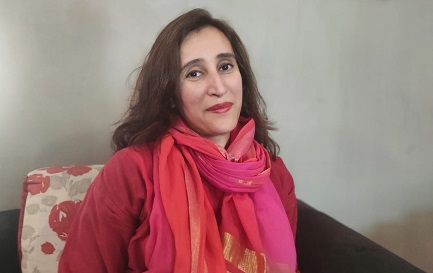
    Noreen Aslam, the widow of Chaudhry Aslam Khan, has publicly reacted to the movie and its alleged portrayal.

    What she said:

    • She described the depiction as disrespectful and painful
    • Stated that her husband:
      • Was a law-abiding officer
      • Fought terrorists, not protected them
    • Rejected any narrative that portrays him as:
      • Corrupt
      • Complicit with criminals or militants

    Legal and moral stance:

    • She has indicated that the family is considering legal options
    • Emphasized that:
      • Freedom of expression should not come at the cost of defaming real martyrs
      • Commercial cinema must respect historical truth

    Her response has been widely shared in Pakistani media and has resonated strongly with the public.


    Comparison With Earlier Film Controversies

    This is not the first time Chaudhry Aslam’s name has been linked to Indian cinema.

    • In 2015, the Bollywood film Phantom was banned in Pakistan
    • The ban was due to a character believed to be inspired by Chaudhry Aslam, portrayed negatively
    • The current controversy has revived memories of that incident, reinforcing long-standing concerns about cross-border narratives

    Broader Impact of the Controversy

    The issue goes beyond one film:

    • Highlights India–Pakistan sensitivities in media representation
    • Raises ethical questions about:
      • Using real people as inspiration without consent
      • Portraying deceased individuals who cannot defend themselves
    • Shows how cinema can influence public perception across borders

    Conclusion

    Chaudhry Aslam Khan was a real police officer who lost his life fighting terrorism, not a fictional villain. The recent Indian movie controversy has reopened emotional wounds for his family and for many Pakistanis who regard him as a national hero.

    His wife’s firm response reflects a broader demand: respect for truth, martyrs, and historical integrity. Whether through dialogue or legal channels, the debate underscores the responsibility filmmakers carry when drawing from real lives—especially those marked by sacrifice.

  • Lahore DSP Arrested for Killing Wife and Daughter After Filing Fake Kidnapping Case

    A disturbing case in Lahore has taken a tragic turn after a senior police officer was arrested for allegedly murdering his own wife and young daughter, weeks after reporting them as kidnapped.

    Deputy Superintendent of Police (DSP) Usman Haider, who initially claimed that his family had been abducted from the Burki area of Lahore, is now in police custody following a confession that shocked investigators and the public alike.

    Kidnapping Report Raised Alarm

    The case began when DSP Usman Haider filed a First Information Report (FIR), stating that unidentified individuals had kidnapped his wife and daughter. Due to the seriousness of the allegations and the involvement of a serving police officer, authorities formed a Joint Investigation Team (JIT) to probe the incident.

    Search operations were launched, and the case received widespread attention, with police treating it as a high-priority kidnapping investigation.

    Investigation Reveals Inconsistencies

    As the inquiry progressed, investigators reportedly noticed several contradictions in DSP Haider’s statements. His version of events failed to align with forensic evidence and location data, raising suspicions among the investigation team.

    After sustained questioning and the collection of technical and circumstantial evidence, police confronted the officer with the findings.

    Confession and Arrest

    During interrogation, DSP Usman Haider allegedly confessed to killing his wife and daughter. Authorities say he admitted to murdering them and then staging the kidnapping to mislead investigators and avoid suspicion.

    Following the confession, police formally arrested the DSP and expanded the investigation to recover the victims’ bodies.

    Bodies Recovered from Separate Locations

    Based on information provided by the accused, law enforcement teams recovered the bodies from two different locations:

    The daughter’s body was found in the Kahna area of Lahore
    The wife’s body was recovered from Sheikhupura district

    Both bodies were shifted to hospitals for post-mortem examinations to determine the exact cause and time of death.

    Possible Motive Under Investigation

    According to police sources, the crime may be linked to long-standing domestic disputes. Reports suggest that DSP Haider had contracted a second marriage, which allegedly led to severe conflict with his first wife.

    Investigators are continuing to examine the motive, timeline, and any possible accomplices, while legal proceedings against the accused officer are underway.


    The case has sparked outrage and disbelief, raising serious questions about abuse of authority and the misuse of police resources. Senior officials have assured the public that the investigation will be transparent and that the accused will face the law without any preferential treatment.

    Authorities have emphasized that the case serves as a reminder that no one is above the law, regardless of rank or position.

  • Best Online Jobs in Pakistan for Students (Work From Home)

    For students in Pakistan, earning money while continuing education has become much easier because of online jobs. With rising expenses and limited part-time opportunities, many students are now turning to work-from-home options. Online jobs allow students to earn without affecting their studies and without investing any money upfront. All that is needed is a basic device, internet access, and willingness to learn.

    Online work is especially attractive for students because of its flexibility 😊. You can work according to your own schedule, whether early in the morning, late at night, or on weekends. This flexibility helps students focus on their education while still supporting their personal or family expenses.

    One of the most popular online jobs for students in Pakistan is freelancing. Freelancing allows students to offer services such as content writing, graphic design, video editing, data entry, or social media management. Many Pakistani students start freelancing with little experience and improve their skills while working. Although income may be low in the beginning, consistency and quality work can lead to better-paying projects over time 💰.

    Online tutoring is another trusted and respectable option for students. If a student is good at subjects like English, Mathematics, Science, or Quran teaching, online tutoring can be a great way to earn. Teaching students through online platforms or video calls does not require expensive tools and is considered a halal and stable income source. Many students find tutoring rewarding because it also improves their own knowledge and communication skills 📚.

    Content creation is also becoming a strong income source for students in Pakistan. Platforms such as YouTube, blogging, and social media allow students to share educational content, tutorials, or even daily life experiences. While content creation does not give instant results, it can turn into a long-term income stream if done with patience and creativity. Many students have built successful channels and blogs by staying consistent and focused 🎥✨.

    Affiliate marketing is another simple way for students to earn online. In this method, students promote products or services using special links. When someone purchases through those links, the student earns a commission. This method works well for students who are active on social media or have a blog. It does not require customer handling or investment, making it suitable for beginners 👍.

    Some students also prefer micro online jobs such as surveys, small online tasks, or app testing. These jobs usually pay less, but they are easy to start and help students understand how online earning works. However, students should be careful and avoid websites that promise high earnings for very little work 🚫.

    Payment is often a concern for students working online in Pakistan. Most international platforms pay through Payoneer, which can be linked to local bank accounts. Some local platforms also support JazzCash and Easypaisa, making it easier for students to receive payments securely and on time.

    While online jobs offer many benefits, students should stay alert and avoid scams. Any job that asks for registration fees or promises instant earnings is usually fake. Real online jobs require time, effort, and skill development. Students should focus on learning and improving instead of looking for shortcuts 🚀.

    In conclusion, online jobs in Pakistan provide a valuable opportunity for students to earn money from home while continuing their studies. Whether through freelancing, tutoring, content creation, or affiliate marketing, students can start small and grow gradually. With dedication, honesty, and patience, online work can help students achieve financial independence and build a strong future 🌟.

  • How to Check CNIC Number Online in Pakistan – Step by Step Guide

    In Pakistan, the Computerized National Identity Card (CNIC) is one of the most important documents for every citizen. It is required for SIM registration, bank accounts, government schemes, jobs, and many official processes. Sometimes people forget their CNIC number or need to verify it urgently. The good news is that there are safe and legal ways to check CNIC number online in Pakistan without visiting any office.

    With the help of NADRA’s systems and mobile services, CNIC verification has become easier than ever. However, many people are still confused about the correct method and often fall into scams. This guide explains the complete and safe process in simple words so anyone can understand and follow it easily.

    The most common and trusted way to check CNIC-related information in Pakistan is through NADRA’s official services. NADRA provides verification mainly for confirming CNIC validity rather than revealing full personal data. This is done to protect citizens’ privacy and prevent misuse of sensitive information.

    One simple method is CNIC verification through SMS. This method is widely used in Pakistan and works on all mobile networks. To use this service, open the messaging app on your phone and type your CNIC number without dashes. Send it to 8300. Within a few seconds, you will receive a reply containing basic verification details such as the holder’s name and whether the CNIC is valid or not. A small SMS charge is applied, but this method is quick and reliable.

    Another method people often search for is checking CNIC information online through websites. It is important to understand that NADRA does not allow full CNIC numbers or personal records to be searched freely on the internet. Any website claiming to provide complete CNIC details online is most likely fake and should be avoided. The only safe online checks are limited verification services connected with government programs such as SIM verification or social welfare schemes.

    For example, when registering for government initiatives like Ehsaas or Benazir Income Support Program, CNIC verification is done through official portals. You simply enter your CNIC number, and the system confirms eligibility. This does not reveal personal data publicly and is fully secure.

    Many people also want to check how many SIMs are registered on their CNIC. This can be done through official telecom services and is very helpful in preventing misuse. By visiting the relevant telecom authority portal or using their SMS service, you can see how many active SIMs are linked to your CNIC and block unauthorized ones if needed.

    While checking CNIC information, it is extremely important to stay alert and protect your identity. Never share your CNIC number, copies, or pictures with unknown websites or individuals. Scammers often misuse CNIC data for illegal SIMs, loans, or fake registrations. Always rely on NADRA or official government platforms only.

    If someone has lost their CNIC or believes it has been misused, the best solution is to contact NADRA immediately or visit the nearest NADRA registration center. They can guide you on blocking the old card and applying for a replacement.

    In summary, checking CNIC number or verification in Pakistan is easy if done through the right channels. The SMS service via 8300 remains the safest and fastest option for basic verification, while online portals should only be used when they belong to official government programs. Avoid shortcuts, ignore fake websites, and always prioritize your data security.

    This step-by-step approach ensures that your CNIC information stays protected while you get the verification you need without stress.

  • How to Earn Money Online in Pakistan Without Investment (2025 Guide)


    Earning money online in Pakistan without any investment is no longer just a dream. With internet access becoming more common and digital skills in high demand, thousands of Pakistanis are now making a decent income online from their homes. Students, housewives, freelancers, and even full-time employees are using online platforms to generate extra income without spending a single rupee upfront. The key is to choose the right method, stay consistent, and avoid scams that promise quick money.

    In Pakistan, the biggest advantage is that many online earning methods only require basic skills such as writing, communication, or time management. You do not need expensive equipment or paid courses to start. A simple smartphone or laptop with a stable internet connection is enough to begin your online earning journey.

    One of the most reliable ways to earn money online in Pakistan without investment is freelancing. Freelancing means offering your skills as a service to clients from all over the world. Popular skills include content writing, graphic design, video editing, data entry, social media management, and web development. Platforms like Fiverr, Upwork, and Freelancer allow Pakistanis to create free accounts and start working without paying any registration fee. In the beginning, earnings may be low, but with time, experience, and positive reviews, many freelancers earn in dollars and withdraw their income through Payoneer or local bank transfers.

    Another practical way to earn online is content writing. If you can write simple English or even Roman Urdu, content writing can be a great option. Many website owners and bloggers look for writers to create articles, blog posts, and product descriptions. You can find writing jobs on Facebook groups, freelancing websites, or by directly contacting blog owners. This method requires no investment, only your time and writing ability. Over time, skilled writers in Pakistan can earn a stable monthly income through this work.

    Online tutoring is also becoming popular in Pakistan, especially among students and teachers. If you are good at a subject like Math, English, Physics, or even Quran teaching, you can teach students online. Many platforms connect tutors with students locally and internationally. You can also teach independently using Zoom or WhatsApp calls. This method is trusted, legal, and does not require any upfront payment.

    YouTube is another powerful way to earn money online without investment, but it requires patience. Many Pakistanis have started YouTube channels using just their mobile phones. You can create videos on education, Islamic content, technology tips, cooking, daily life vlogs, or motivational talks. Once your channel meets YouTube’s monetization requirements, you can earn through ads, sponsorships, and affiliate marketing. Although it takes time to grow, YouTube can become a long-term source of passive income.

    Affiliate marketing is also gaining popularity in Pakistan. In this method, you promote products or services through special links, and when someone makes a purchase using your link, you earn a commission. You can do affiliate marketing through blogs, YouTube channels, or social media platforms like Facebook and WhatsApp. Many international and local companies offer free affiliate programs, making it a good option for beginners who want to earn without investment.

    For people who want simple tasks, online micro-jobs can be an option. These include surveys, app testing, and small online tasks. While these jobs do not pay very high, they are easy to start and require no special skills. However, it is important to be careful and choose trusted platforms to avoid scams.

    Payment methods are an important concern for Pakistanis earning online. Most international platforms pay through Payoneer, which can be linked to Pakistani bank accounts. Some local platforms also support JazzCash and Easypaisa. Before starting any online earning method, always check how you will receive your payment to avoid future problems.

    While earning money online in Pakistan without investment is possible, it is important to stay away from fake websites and people who ask for registration fees. Real online earning opportunities never demand money upfront. Always research properly, read reviews, and trust only verified platforms.

    In conclusion, online earning in Pakistan without investment is realistic and achievable in 2025. Whether you choose freelancing, writing, teaching, YouTube, or affiliate marketing, success depends on patience, consistency, and learning. Start with one method, improve your skills gradually, and focus on providing value. With the right approach, online earning can become a reliable source of income and financial independence.

  • Punjab to Introduce Digital Examination System for All Education Boards

    The Punjab government has announced a major reform in the education sector by introducing a digital examination system for all education boards across the province. This step aims to modernize the examination process, improve transparency, and reduce cheating and paper leaks that have long affected the traditional exam system.

    Under the new digital exam system, students will attempt exams using computers or digital devices at designated examination centers. The initiative is designed to ensure fair assessment, faster result compilation, and a more secure testing environment. Authorities believe this move will bring Punjab’s education system closer to international standards.

    The digital exams will include automated marking, especially for objective sections, which will help minimize human errors and delays in result announcements. Subjective answers may also be evaluated through a combination of digital tools and trained examiners. Special training programs for teachers and staff will be launched to ensure smooth implementation.

    To support this transition, the government plans to improve IT infrastructure, provide secure software, and establish fully equipped digital exam centers. Students will also be given practice sessions and mock tests to help them become familiar with the new exam format.

    Education experts see this reform as a positive step toward transparency, efficiency, and academic integrity. However, authorities have assured that necessary measures will be taken to address challenges such as access to technology and student readiness, especially in remote areas.

    The introduction of digital exams across all Punjab boards marks a significant milestone in transforming the province’s education system and preparing students for a technology-driven future.


  • NADRA Launches e-Register Digital App to Modernize Registration Services in Pakistan


    NADRA Launches e-Register Digital App – A New Step Toward Smart and Secure Registration

    The National Database and Registration Authority (NADRA) has officially launched the e-Register digital app, introducing a modern and efficient way to manage registration services in Pakistan. This new digital initiative aims to improve transparency, reduce paperwork, and make registration processes faster and more accessible for citizens.

    The e-Register app is designed to digitally record and verify important data, helping authorities maintain accurate records while minimizing manual errors. With this app, registration processes that previously required physical registers and lengthy procedures can now be completed digitally in a secure environment.

    According to officials, the NADRA e-Register app will play a vital role in strengthening data management and improving service delivery. The app ensures better monitoring, real-time data entry, and enhanced security, reducing the risk of data tampering or duplication. It also supports NADRA’s broader vision of digital governance and smart public services.

    The launch of the e-Register app is expected to benefit government departments, institutions, and citizens by simplifying administrative tasks and improving overall efficiency. Training and awareness programs will also be conducted to ensure smooth adoption of the app across relevant departments.

    This initiative reflects NADRA’s continued efforts to embrace technology and modernize Pakistan’s registration system. The e-Register digital app marks an important milestone in the country’s journey toward digital transformation and improved public service delivery.


  • Private Hajj Scheme 2026: Packages, Costs, and Registration Details

    The Private Hajj Scheme 2026 has been introduced to facilitate pilgrims who wish to perform Hajj through approved private tour operators. This scheme provides flexibility, better accommodation options, and customized services compared to the government Hajj scheme, making it a preferred choice for many pilgrims.

    Under the Private Hajj Scheme 2026, registered and licensed Hajj tour operators will offer different packages based on duration, accommodation distance from Haram, transport facilities, and additional services. These packages are designed to cater to varying budgets while ensuring comfort and convenience during the sacred journey.

    Key Features of Private Hajj Scheme 2026

    The private Hajj scheme allows pilgrims to choose packages according to their needs. Facilities often include accommodation in Makkah and Madinah, local transport, guidance services, and support staff throughout the pilgrimage. Some packages may also offer premium services such as hotels closer to Haram, shorter stay options, and enhanced travel arrangements.

    Registration and Eligibility

    Pilgrims must complete biometric verification and submit required documents through approved private Hajj operators. Only companies registered with the relevant authorities will be allowed to operate under the Private Hajj Scheme 2026, ensuring transparency and protection for pilgrims.

    Cost and Payment Structure

    The cost of private Hajj packages for 2026 may vary depending on services and duration. Payments are usually made in installments as announced by the tour operators, following official guidelines. Pilgrims are advised to carefully review package details before booking.

    Government Oversight and Safety Measures

    Authorities will closely monitor private Hajj operators to ensure compliance with Saudi and Pakistani regulations. This includes accommodation standards, transport safety, and service quality to provide pilgrims with a smooth and secure Hajj experience.

    Conclusion

    The Private Hajj Scheme 2026 offers pilgrims flexibility, comfort, and multiple package options. By choosing a licensed operator and understanding package details, pilgrims can perform Hajj with peace of mind and proper arrangements.