Punjab Chief Minister Maryam Nawaz has announced the launch of the Zarkhaiz Aasan Digital Loan Program, a major initiative aimed at providing easy and interest-free digital loans to small entrepreneurs, farmers, and business starters across Punjab. This program is designed to promote self-employment, support small businesses, and strengthen the province’s economy through digital financial inclusion.
The Zarkhaiz Aasan Digital Loan Program allows applicants to apply for loans through a simple digital process, reducing paperwork and long waiting times. By using modern technology, the program ensures transparency, quick approvals, and fair distribution of funds to deserving individuals.
According to the announcement, the scheme focuses on empowering youth, women, and small traders who often face difficulties in accessing traditional bank loans. The digital loan facility will help beneficiaries start new businesses, expand existing ventures, and improve their financial stability without the burden of heavy interest rates.
Maryam Nawaz emphasized that the program reflects the Punjab government’s commitment to economic growth, poverty reduction, and digital transformation. Special attention has been given to ease of access, ensuring that people from urban and rural areas can benefit equally from the scheme.
The Zarkhaiz Aasan Digital Loan Program is expected to create new employment opportunities, encourage entrepreneurship, and support sustainable economic development. With this initiative, the Punjab government aims to build a strong foundation for a digitally empowered and financially independent society.
Category: Pakistan News & Insights
-
Maryam Nawaz Announces Zarkhaiz Aasan Digital Loan Program for Small Entrepreneurs
-
Top 5 Online Teaching Websites for Pakistani Teachers in 2025 (Apply & Earn)
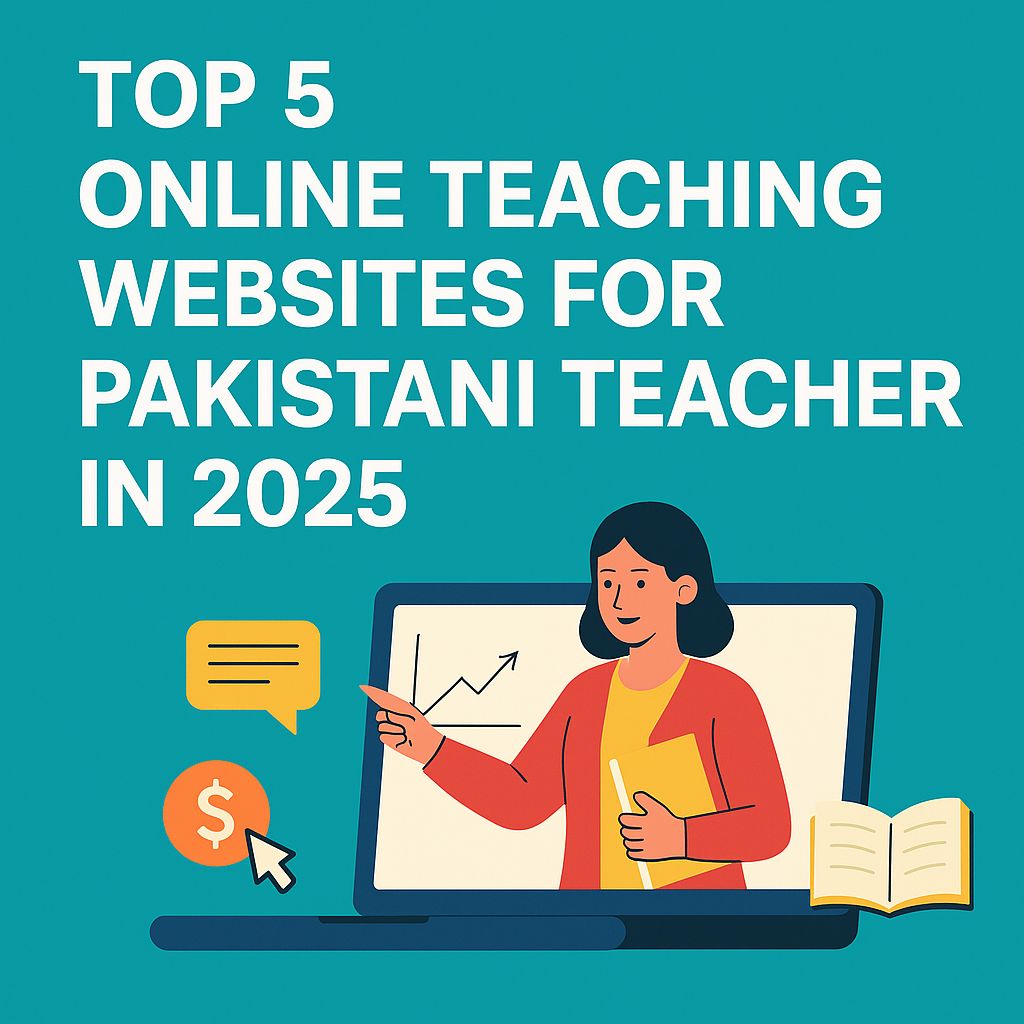
Earn by teaching students locally and worldwide — with flexible hours and competitive pay.
With the rise of digital learning, Pakistani teachers now have more opportunities than ever to earn through online teaching platforms. Whether you want part-time income or build a full teaching career online, these platforms connect you with students around the world. Here’s a detailed, SEO-friendly guide to the top five websites, how to apply, and expected pay.
1. Preply — Teach Worldwide, Set Your Rates
Overview:
Preply is one of the most popular international online tutoring marketplaces. It connects teachers with global students eager to learn subjects like languages, academics, and test prep. (Preply)Who It’s For:
Language teachers (especially English), math/science tutors, and other educators who want global reach.How to Apply:
- Visit Preply’s tutor signup page.
- Create a profile with your qualifications, experience, and teaching subjects.
- Upload a profile photo and introductory video.
- Await approval (usually 3–5 business days). (Preply)
Pay & Structure:
- You set your hourly rate (average tutors often charge $15–$25/hr).
- Earnings depend on experience and subject demand.
- Preply takes a commission on lessons but allows rate flexibility. (Preply)
Why It’s Great:
High earning potential with flexible hours — you choose when to teach.
2. TeacherOn — Free Global Teaching Marketplace
Overview:
TeacherOn is an international platform with tutors from 170+ countries connecting with students online and offline. (TeacherOn)Who It’s For:
Teachers offering academic subjects, language lessons, assignment help, and exam coaching.How to Apply:
- Register as a tutor on TeacherOn.
- Add your profile with subjects, qualifications, and teaching modes.
- Students contact you directly — no heavy recruitment process. (TeacherOn)
Pay & Structure:
- You negotiate your own price with students.
- Many Pakistani tutors set rates from $10–$30/hr depending on subject and student location.
- No platform fee for connecting with learners. (TeacherOn)
Why It’s Great:
No registration fees and a large global student base.
3. TutorBees — Pakistan’s Local Online Tutor Community
Overview:
TutorBees is a Pakistan-focused tutoring portal that connects educators with students for online tuition. (TutorBees.net)Who It’s For:
Teachers of all levels (primary to university subjects), especially those focusing on Pakistan curricula.How to Apply:
- Register on TutorBees.net.
- Complete their application and assessment (may include qualification checks).
- Join the approved tutor pool and start teaching. (TutorBees.net)
Pay & Structure:
- Tutors typically earn by charging hourly rates agreed with parents/students.
- Rates can vary depending on level and subject (often competitive for local markets).
- Earnings are paid directly by parents/students or through the platform. (TutorBees.net)
Why It’s Great:
Focus on the Pakistani market means reliable student demand and reduced competition from global tutors.
4. Beacon Tutors — Flexible Online & Home Tuition
Overview:
Beacon Tutors is a networking platform that helps teachers connect with students for both online and home tuition across Pakistan. (beacontutorspk.com)Who It’s For:
Part-time tutors, fresh graduates, and experienced educators for subjects across all grades.How to Apply:
- Sign up on Beacon Tutors as a teacher.
- Complete profile and verification.
- Beacon Tutors assigns students based on your profile and preferences. (beacontutorspk.com)
Pay & Structure:
- Teachers set their fees for private tuition sessions.
- Beacon Tutors takes just a small commission (if any).
- Students pay directly via bank, EasyPaisa, or cash. (beacontutorspk.com)
Why It’s Great:
No hefty platform fees and you maintain control over your schedule and earnings.
5. TutorOcean — Global Tutoring Marketplace
Overview:
TutorOcean is a flexible tutoring platform where teachers globally (including Pakistani tutors) offer sessions in various subjects. (TutorOcean)Who It’s For:
Educators experienced in core subjects or specialized skills (languages, tech, etc.).How to Apply:
- Create a TutorOcean account.
- Build a professional profile listing subjects, rates, schedules.
- Start getting booked by students. (TutorOcean)
Pay & Structure:
- Typical rates start around $15/hr or more depending on expertise.
- You manage availability and pricing. (TutorOcean)
Why It’s Great:
International teaching opportunities with potentially higher foreign currency pay.
Tips for Pakistani Teachers Before You Start
✅ Verify your identity and credentials — most platforms require degree or experience proof.
✅ Set a professional profile with a clear photo, intro video, and teaching methodology.
✅ Be flexible with hours — evenings and weekends often have high demand.
✅ Start with competitive pricing then increase your rate as your reviews grow.
Online teaching can be a rewarding career path for Pakistani educators — offering flexibility, independence, and income in both local and global markets. Platforms like Preply, TeacherOn, TutorBees, Beacon Tutors, and TutorOcean open doors to thousands of students and steady earnings. Just choose the ones that best align with your skills, register, and start teaching!
-
High-Protein Vegetarian Breakfast Ideas for Weight Loss Without Eggs
Finding a high-protein vegetarian breakfast without eggs is easier than you think. With the right combination of ingredients, you can enjoy meals that are filling, nutritious, and perfect for weight loss. These breakfast options boost metabolism, keep you full for longer, and help prevent unnecessary snacking throughout the day.
1. Greek Yogurt With Nuts and Chia Seeds
Greek yogurt is a rich source of protein and probiotics. When topped with almonds, walnuts, or chia seeds, it becomes a nutrient-dense breakfast that supports digestion and aids fat loss.
2. Chickpea Flour (Besan) Pancakes
Besan chilla is a popular vegetarian option loaded with plant-based protein. Add vegetables like spinach, carrots, and capsicum to increase fiber and make it a wholesome, low-calorie breakfast.
3. Paneer and Vegetable Wrap
Paneer (cottage cheese) is a great protein source for vegetarians. Combine it with sautéed vegetables in a whole-wheat wrap for a healthy, satisfying meal perfect for weight management.
4. Protein Smoothie With Oats
Blend oats with plant-based protein powder, peanut butter, chia seeds, and your favorite fruit. This energizing smoothie keeps you full for hours, making it ideal for busy mornings.
5. Moong Dal Cheela
Moong dal cheela is light, protein-packed, and easy to digest. You can also stuff it with paneer or tofu to increase the protein content.
6. Quinoa Upma
Quinoa is a complete protein containing all essential amino acids. Cook it like upma with vegetables for a fiber-rich and filling breakfast that supports weight loss.
7. Tofu Scramble
A perfect egg-free alternative, tofu scramble is rich in protein and minerals. Season it with turmeric, black pepper, spinach, mushrooms, and herbs for a delicious and healthy breakfast.
8. Cottage Cheese (Paneer) Fruit Bowl
Mix paneer cubes with fruits like apple, berries, and pears. Add chia seeds for a crunchy texture and extra protein.
Conclusion
A high-protein vegetarian breakfast without eggs can be delicious, satisfying, and highly effective for weight loss. By choosing ingredients like paneer, tofu, quinoa, lentils, nuts, and yogurt, you can fuel your body with clean protein and stay energetic throughout the day. -
Why People Are Quitting Traditional Jobs and Turning to Freelancing in 2025
In recent years, more people around the world are leaving traditional 9-to-5 jobs and turning toward freelancing. This shift is driven by changing work expectations, increasing digital opportunities, and the desire for a better work-life balance. Freelancing offers independence, flexibility, and the chance to earn more by utilizing personal skills.
One of the biggest reasons people prefer freelancing is flexibility. Freelancers can choose their working hours, select their clients, and create a schedule that fits their lifestyle. This freedom is especially appealing to individuals who want to balance family responsibilities, travel, or personal projects without the restrictions of office life.
Another major factor is higher income potential. Skilled freelancers in fields like graphic design, writing, programming, digital marketing, and virtual assistance often earn more than they did in full-time jobs. Since there is no limit to the number of clients or projects, freelancers can increase their earnings based on their effort and expertise.
People are also quitting jobs because of job dissatisfaction and work pressure. Long office hours, low salaries, limited growth opportunities, and stressful office environments make traditional jobs less attractive. Freelancing allows individuals to work from anywhere, avoid daily commuting, and create a stress-free work environment at home.
The rapid rise of online platforms has also made freelancing easier. Websites like Upwork, Fiverr, and Freelancer provide thousands of global job opportunities every day, giving skilled individuals a chance to build careers without depending on local job markets.
Overall, people are choosing freelancing because it offers freedom, flexibility, better earning potential, remote work opportunities, and a healthier lifestyle. This trend is expected to grow as technology continues to reshape the way people work.
In today’s digital world, a growing number of people are quitting traditional jobs and shifting toward freelancing. This global trend is rising every year as individuals seek more control over their time, income, and lifestyle. Freelancing offers opportunities that many traditional workplaces cannot provide, making it a popular and practical career choice for professionals across different fields.
1. Freedom and Flexibility
One of the biggest reasons people choose freelancing is the freedom it offers. Freelancers are not bound to fixed office hours or rigid schedules. They can work at their preferred time, manage personal commitments, and maintain a healthy work-life balance. This flexibility is especially appealing to parents, students, and people who want to work from home.
2. Higher Earning Potential
Freelancing allows individuals to set their own rates and take on multiple projects at once. Skilled freelancers in areas like web development, content writing, digital marketing, and graphic design often earn more than traditional salaried employees. With no income limits, freelancers can increase their earnings by improving their skills and working with higher-paying clients.
3. Escape from Office Stress
Many people quit their jobs because of long working hours, workplace politics, low salaries, and high stress levels. Freelancing helps them avoid daily commuting, strict bosses, and toxic work environments. By working independently, freelancers enjoy a stress-free environment where they can focus on productivity and creativity.
4. Opportunities to Work Globally
Online platforms have made freelancing easier than ever. Websites like Upwork, Fiverr, and Freelancer offer thousands of online jobs, allowing people to work with clients from around the world. This global exposure gives freelancers the chance to earn in foreign currencies and grow their professional network.
5. Skill-Based Career Growth
Traditional jobs often limit career growth due to fixed roles and slow promotions. Freelancing, on the other hand, rewards talent and skill. The more a freelancer improves their abilities, the more opportunities and higher rates they can access. Continuous learning directly leads to better income and stronger career stability.
6. Remote Work Lifestyle
Freelancing makes it possible to work from any location—home, café, or even while traveling. This remote work lifestyle gives people the freedom to build their careers without geographical restrictions. It also saves time and money spent on transportation.
Conclusion
People are quitting traditional jobs because freelancing offers flexibility, better earning potential, global opportunities, a healthier work environment, and the freedom to grow at their own pace. As digital platforms continue to expand, freelancing will remain one of the most preferred career paths for professionals seeking independence and long-term stability. -
Electric Buses Introduced in Major Cities – Smart, Safe and Sustainable Travel
The introduction of electric buses in another major city marks a significant move toward cleaner, greener, and more sustainable public transportation. The new electric bus fleet is designed to reduce fuel consumption, cut harmful emissions, and offer a smoother, quieter travel experience for daily commuters.
Authorities have announced that the electric buses will operate on key urban routes, ensuring easy access for students, office workers, and families. These buses are equipped with modern features such as comfortable seating, air-conditioning, GPS tracking, and improved safety systems. With zero tailpipe emissions, they will play an important role in improving air quality and reducing noise pollution in the city.
The decision to shift toward electric mobility also reflects the government’s long-term plans to modernize urban transport and adopt eco-friendly technologies. More charging stations, upgraded bus stops, and digital ticketing systems are expected to be part of this initiative, making public transport more reliable and accessible.
This launch not only promotes environmental protection but also encourages people to choose public transport over private vehicles, helping reduce traffic congestion and overall fuel costs. The introduction of electric buses is a positive step toward a cleaner future and a smarter transportation system for the city’s residents.
This initiative aims to reduce pollution, save fuel costs, and offer commuters a cleaner and more comfortable travel experience. The introduction of electric buses reflects the government’s strong commitment to promoting sustainable mobility and improving public transport quality.
The newly announced electric buses will operate on key city routes, making everyday travel faster, quieter, and environmentally friendly. These buses come with modern features such as air-conditioning, low-noise engines, digital ticketing systems, and improved safety controls. With zero emissions, they are expected to significantly cut down harmful smoke and contribute to better air quality for residents.
Authorities have also shared plans to expand charging stations, upgrade bus stops, and add more electric buses in the coming phases. This project not only supports a greener future but also encourages people to choose public transport over private vehicles, helping reduce traffic jams and fuel consumption.
The launch of electric buses in another major city is a positive step toward smart, sustainable, and modern urban mobility—shaping a cleaner future for upcoming generations. -
Pindi Food Festival 2025 – Dates, Venue, Stalls & Complete Event Guide
The Pindi Food Fest 2025 is one of the most anticipated events of the year in Rawalpindi, bringing together food lovers, families, and entrepreneurs for a three-day festival of flavor and fun. Organized by the Rawalpindi Chamber of Commerce and Industry (RCCI), this year’s event takes place from 12th to 14th December 2025 at Ayub National Park in Rawalpindi.
🍽️ A Feast of Flavors and Culture
The festival celebrates Pakistan’s rich culinary traditions while introducing unique and contemporary tastes from across the country. Over 70 food stalls will feature a wide variety of dishes, including traditional favorites and innovative creations that cater to every palate.
This year, a special focus is on supporting small businesses, startups, and women entrepreneurs in the food industry. The event offers these vendors a platform to expand their brands, network with other professionals, and gain visibility among thousands of visitors.
🎉 What to Expect at the Festival
Visitors can enjoy much more than just food:
🍢 Local and regional cuisine from around Pakistan
🍔 Tasting zones with diverse flavours
🎶 Live music and cultural performances
👨👩👧 Family-friendly entertainment and activities
🛍️ Opportunities to explore and support local food businesses
Whether you are passionate about street food or interested in exploring regional culinary cultures, the Pindi Food Fest has something for everyone. The festive atmosphere, paired with food and music, makes it a perfect winter outing for families and friends.
🗓 Event Details (2025)
📍 Event Pindi Food Fest 2025
📅 Dates 12–14 December 2025
📍 Venue Ayub National Park, Rawalpindi
🍲 Organized by Rawalpindi Chamber of Commerce and Industry (RCCI)
🍴 Stalls 70+ local & regional food vendors
🎟️ Highlights Food tasting, cultural entertainment and family fun
The Pindi Food Fest 2025 is more than just a food festival — it’s a celebration of culture, community, and entrepreneurship. Whether you’re a food enthusiast, a supporter of local business, or simply looking for a memorable weekend outing, this festival offers a delicious experience for everyone. -
11 Best Small Loan Apps in Pakistan 2025 – Instant Cash, Limits, and Eligibility Explained
Finding quick financial help during emergencies has become easier than ever in Pakistan thanks to the rise of digital loan apps. These platforms offer fast approvals, small loan amounts, flexible repayment options, and simple online applications. For anyone facing short-term financial needs, these apps work similarly to services like Pasa Yar, providing fast cash without the delays of traditional banking.
Below is a complete and SEO-friendly guide to the 11 best small loan apps in Pakistan, including their maximum loan limits and basic eligibility criteria so you can easily compare and choose the right option.
1. Paisayaar – Easy Safe Cash Loan
Paisayaar is a popular choice for obtaining quick micro-loans with minimal documentation.
Maximum Loan Amount: Up to PKR 50,000
Eligibility Criteria:- Must have a valid CNIC
- Age 18 or above
- Active mobile number
Paisayaar is suitable for users who need fast approval without complicated steps.
2. Aitemaad – Fast, Fair Cash Loan
Aitemaad offers short-term personal loans and also supports Buy Now, Pay Later financing.
Maximum Loan Amount: PKR 30,000 – 50,000
Eligibility Criteria:- CNIC required
- Stable phone usage history
- Age 18+
It is designed for users looking for transparent and reliable small loans.
3. SmartQarza – Safe Easy Cash Loan
SmartQarza focuses on offering secure and instant short-term loans.
Maximum Loan Amount: Up to PKR 40,000
Eligibility Criteria:- Valid CNIC
- Verified smartphone and active SIM
- Basic income source
SmartQarza is ideal for quick, safe, and hassle-free borrowing.
4. PakCredit – Safe Easy Loan
PakCredit provides flexible loan options with a simple application process.
Maximum Loan Amount: PKR 10,000 – 50,000
Eligibility Criteria:- Valid CNIC
- Must be 18+
- Clean mobile usage pattern
PakCredit is a good option for users seeking urgent funds on short notice.
5. Easypaisa EasyCash
Easypaisa is one of Pakistan’s most trusted digital wallets and offers EasyCash loans based on user activity.
Maximum Loan Amount: PKR 25,000 – 30,000
Eligibility Criteria:- Fully verified Easypaisa account
- Regular transaction history
- Good wallet usage score
Easypaisa EasyCash is dependable, regulated, and widely accessible.
6. JazzCash ReadyCash
JazzCash ReadyCash provides instant loans based on user activity patterns.
Maximum Loan Amount: PKR 2,000 – 30,000
Eligibility Criteria:- Active Jazz SIM
- Verified JazzCash account
- Regular wallet usage
It’s an excellent option for users already active on Jazz or JazzCash services.
7. Dalili Pocket Loan
Dalili’s Pocket Loan helps users get small, quick loans directly through the app.
Maximum Loan Amount: Around PKR 20,000
Eligibility Criteria:- Valid CNIC
- Mobile number verification
- Basic income proof (optional)
This app is suitable for users needing instant micro-financing.
8. Tez Financial Services – TezLoan
Tez Financial Services is one of Pakistan’s earliest digital microfinance platforms.
Maximum Loan Amount: PKR 1,000 – 25,000
Eligibility Criteria:- CNIC verification
- Active mobile number
- Auto-generated financial score (based on phone usage & data)
TezLoan is a regulated and safe digital solution for short-term borrowing.
9. CreditFix PayLater
CreditFix offers a revolving credit line, allowing users to borrow small amounts repeatedly.
Maximum Limit: PKR 10,000 – 50,000
Eligibility Criteria:- CNIC
- Steady income source
- Mobile verification
A great option for users who need regular access to small credit amounts.
10. SimSim Instant Loan
SimSim is another digital wallet offering instant loan services for eligible users.
Maximum Loan Amount: Up to PKR 25,000
Eligibility Criteria:- Verified SimSim account
- Consistent wallet usage
- CNIC verification
SimSim provides fast approval and a secure digital borrowing experience.
11. Finja Smart Credit
Finja offers customized loan options for individuals, freelancers, and small businesses.
Maximum Loan Amount: Up to PKR 50,000 (can be higher depending on profile)
Eligibility Criteria:- CNIC
- Verified income source
- Transaction history (bank or wallet)
Finja is trusted for its transparent lending system and smart evaluation process.
Important Things to Consider Before Applying for a Loan Online
Before choosing any digital loan provider in Pakistan, keep these points in mind:
✔ Check SECP Registration
Only use apps that follow SECP guidelines to avoid scams or unauthorized lenders.
✔ Understand Fees & Markup
Read the interest rate, processing fee, and repayment schedule before applying.
✔ Protect Your Personal Information
Never share OTPs, CNIC pictures, or private details outside of the app.
✔ Repay on Time
Paying on time improves your credit history and increases your future loan limits.
These 11 small loan apps in Pakistan make it easier to access quick cash without long bank procedures. Each app offers unique features, loan limits, and eligibility criteria, giving users more flexibility based on their needs. Whether you require money for emergencies, bill payments, or short-term expenses, these apps function similarly to platforms like Pasa Yar and provide fast financial support whenever needed.
-
Flower Festival Rawalpindi December 2025 – Chrysanthemum & Winter Blooms Exhibition
A colourful celebration of winter blooms
The Flower Festival in Rawalpindi (December 2025) has brought vibrant colors, cultural displays, and refreshing winter charm to the city. Organized by the Rawalpindi Cantonment Board (RCB), this five-day event started on 10 December 2025 and quickly became a major attraction for families, photographers, students, and garden lovers.
This year’s festival is centered around the Chrysanthemum & Autumn Flowers Exhibition, featuring hundreds of seasonal blooms beautifully arranged across Bank Road. Bright chrysanthemums, marigolds, roses, and artistic floral installations have transformed the area into a stunning walkway full of fragrance and color.
Along with flowers, the festival also showcases handicraft stalls, traditional art, cultural exhibits, and regional displays representing all provinces of Pakistan, including Gilgit-Baltistan and Azad Kashmir. These cultural elements add a unique charm, making the event more engaging than a regular flower show.
Evening visitors enjoy an enchanting atmosphere as the entire venue lights up with decorative illumination, creating a magical backdrop for photos and family outings. The event promotes a greener lifestyle, encourages gardening, and highlights Rawalpindi’s efforts to create a cleaner and more vibrant city.
The December 2025 Flower Festival has become a much-needed escape from daily routine, offering beauty, creativity, and cultural diversity—making it one of Rawalpindi’s most admired winter events.
-
Punjab Transporters Call Off Wheel-Jam Strike After Talks With Government | Heavy Fines Temporarily Suspended
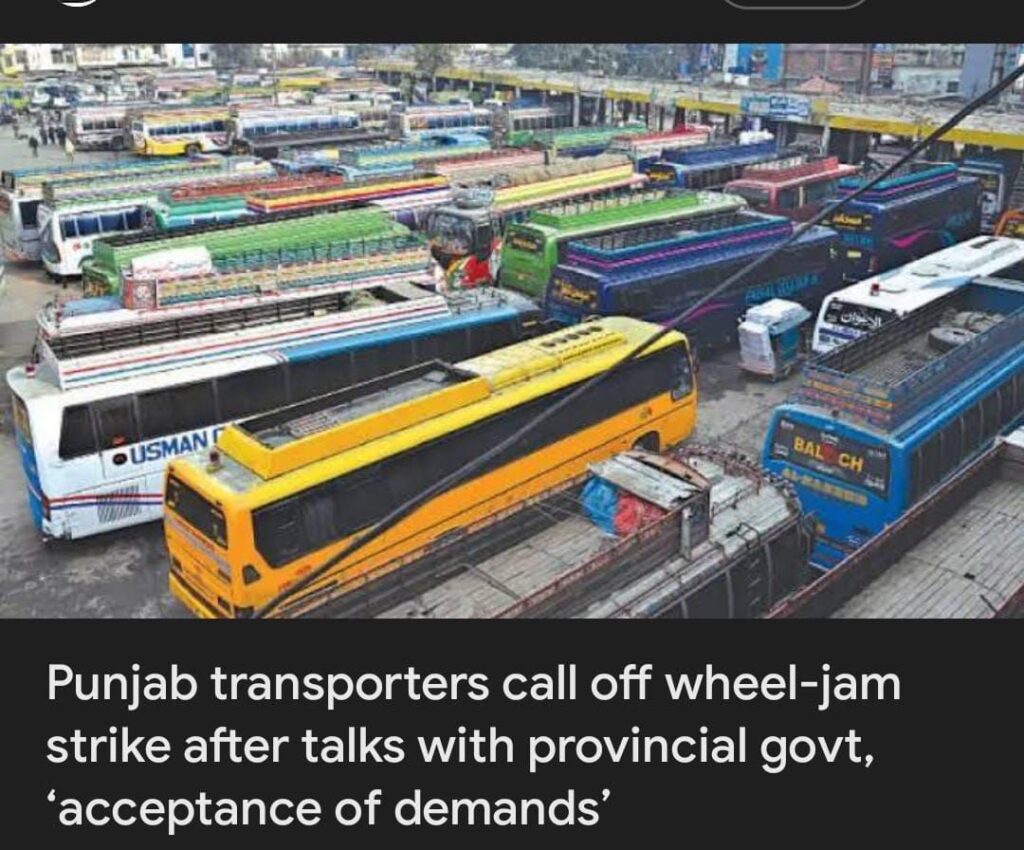
The Punjab transporters have officially ended their wheel-jam strike after a detailed meeting with the provincial government, bringing relief to thousands of commuters and businesses affected by the shutdown. The strike, which caused major disruption across cities including Lahore, Rawalpindi, Faisalabad and Multan, was launched in protest against the heavy fines and strict penalties introduced under the new Motor Vehicle Ordinance 2025.
Why Transporters Went on Strike
Transporters argued that the revised traffic law imposed unaffordable fines, frequent challans and FIRs for minor violations. According to transport unions, small vehicle owners and intercity transporters were facing severe financial pressure due to these sudden changes. As a result, the transport associations united and announced a province-wide wheel-jam strike.
Government–Transporters Talks
After hours of negotiations, the meeting between transport leaders and the provincial transport minister ended positively. The government agreed to temporarily halt the enforcement of heavy fines and assured that FIRs would not be filed for routine traffic violations. Officials also decided to form a joint review committee consisting of government representatives and transporter unions to reassess the controversial clauses of the ordinance.
Strike Called Off
Following the government’s assurances, transport associations announced the end of the strike, restoring public and goods transport across Punjab. Bus services, urban routes and intercity travel gradually returned to normal, easing travel for citizens who had been stranded or facing inflated fares due to reduced transport availability.
Remaining Concerns
Although the strike has been called off, some transporters still demand a complete revision of the ordinance instead of a temporary suspension. They insist that the final decision must protect drivers from excessive penalties and ensure fair regulations for all commercial vehicles.
What This Means for the Public
With transport services now resumed, daily commuters, students, traders and industrial sectors are experiencing immediate relief. The upcoming meetings between the government and transporter unions will play a crucial role in shaping future traffic and transport policies in Punjab. -
Bewa Sahara Card Online Registration 2025 – December Eligibility, Documents & Full Apply Guide

The Punjab government has restarted the Bewa Sahara Card Registration process for December 2025, offering monthly financial support to widowed women across the province. The program is designed to provide stability, dignity and essential assistance to women who lost their husbands and are managing households alone.
What Is the Bewa Sahara Card?
The Bewa Sahara Card is a social welfare initiative that provides monthly financial aid up to PKR 10,000 to eligible widows. Once approved, beneficiaries receive a card that allows them to access the stipend through bank transfer or designated payment centers.
Eligibility Criteria – Who Can Apply?
Widowed women can apply for the Bewa Sahara Card if they meet the following conditions:
Must be a widow with a valid CNIC.
Must provide an official death certificate of the husband.
Must be a resident of Punjab.
Belong to a low-income or deserving household.
Must be registered or eligible under PSPA/NSER survey.
Required Documents for Registration
To complete the registration, applicants should prepare:
Copy of CNIC
Husband’s NADRA-verified death certificate
Household details (children, dependents)
Income proof / NSER slip (if available)
Domicile or residence certificate
Contact number
How to Apply Online for Bewa Sahara Card (December 2025)
Follow these simple steps to complete your online registration:
1. Visit the official Punjab Social Protection Authority (PSPA) portal.
2. Click on “Bewa Sahara Card Online Registration 2025”.
3. Fill in your personal details such as name, CNIC, address, and family information.
4. Upload scanned copies of all required documents.
5. Submit the application and save your tracking or reference number.
6. After verification, you will receive an SMS confirmation regarding approval.
7. Once approved, the Bewa Sahara Card will be issued for monthly financial support.
Offline Registration Option
Widows who cannot apply online can visit:
District Social Welfare Offices
Local Zakat Committees
PSPA Facilitation Centers
Staff will assist in form submission and document verification.
Important Notes
Registration is completely free.
Only apply through official government portals to avoid scams.
Incomplete or incorrect documents may delay verification.
Beneficiaries will receive financial support every month after approval.
Why This Scheme Matters
The Bewa Sahara Card offers widows a reliable source of income, helping them manage basic needs such as food, education, healthcare and household expenses. It is a major step toward empowering vulnerable women and improving their living conditions in Punjab.