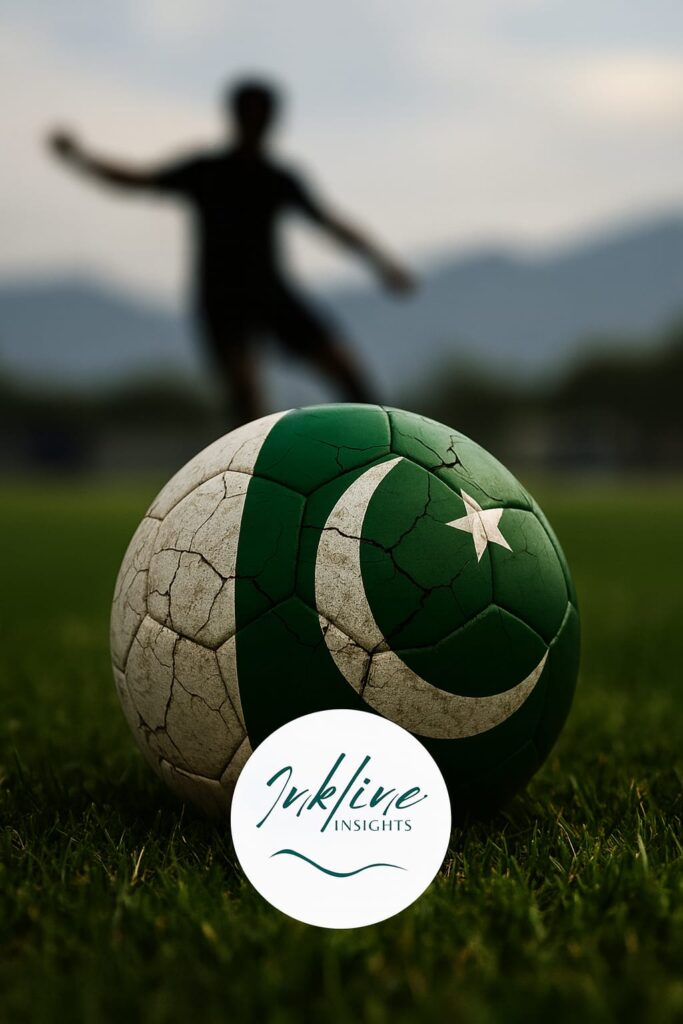
Category: Sports

  • 2025–26 Global Sports Calendar: Key International Events Fans Should Track

    The 2025–26 global sports calendar is set to be one of the most action-packed seasons in recent memory, with major international tournaments, world championships, and continental competitions scheduled across nearly every sporting discipline. For fans, athletes, and analysts alike, the upcoming cycle promises a vibrant mix of high-stakes rivalries, emerging talent, and record-breaking performances.

    Football Takes Center StageFootball remains the biggest global attraction, with the 2026 FIFA World Cup qualifiers intensifying throughout 2025. Several regional confederations will host crucial qualification rounds, making next season essential for teams looking to secure early momentum. In addition, the UEFA Champions League, Copa Libertadores, and AFC Champions League will run parallel to domestic leagues, ensuring a year filled with elite club competitions.Olympic Sports Build Toward 2028With the Los Angeles 2028 Olympics approaching, many sports will use the 2025–26 season as a key qualification and ranking period. Athletics, swimming, gymnastics, and cycling will feature heavily contested world championships, where athletes aim to secure ranking points and benchmark their performance ahead of the next Olympic cycle.

    Cricket, Tennis & Motorsport Expand Their Global FootprintCricket fans can expect a busy year with several marquee events, including ICC world tournaments and high-profile bilateral series. Meanwhile, tennis will continue to dominate headlines with the four Grand Slams — Australian Open, Roland-Garros, Wimbledon, and US Open — expected to feature rising stars alongside seasoned champions.Motorsport enthusiasts will witness full calendars for Formula 1, MotoGP, and Formula E, each introducing new circuits and technological innovations that promise heightened competition. F1 in particular is anticipated to deliver a dramatic season as teams refine next-generation car designs under updated regulations.

    Combat Sports and Emerging Disciplines Gain MomentumCombat sports — including boxing, MMA, and judo — will also have peak seasons, with several championship bouts and Olympic qualification events on the horizon. Newer sports such as eSports and competitive climbing continue to build global audiences, contributing to a diverse and modernized sports landscape.A Season Defined by Global EnergyFrom packed stadiums in Europe to electric crowds in Asia, the 2025–26 sports year will showcase the breadth of international athletic excellence. With major tournaments distributed across multiple continents, fans will have no shortage of must-watch events, making the upcoming cycle one of the most anticipated in years.

    Whether you’re a casual follower or a dedicated sports enthusiast, the upcoming global sports season offers a compelling mix of tradition, innovation, and world-class competition — ensuring that 2025–26 will be remembered as a landmark chapter in in
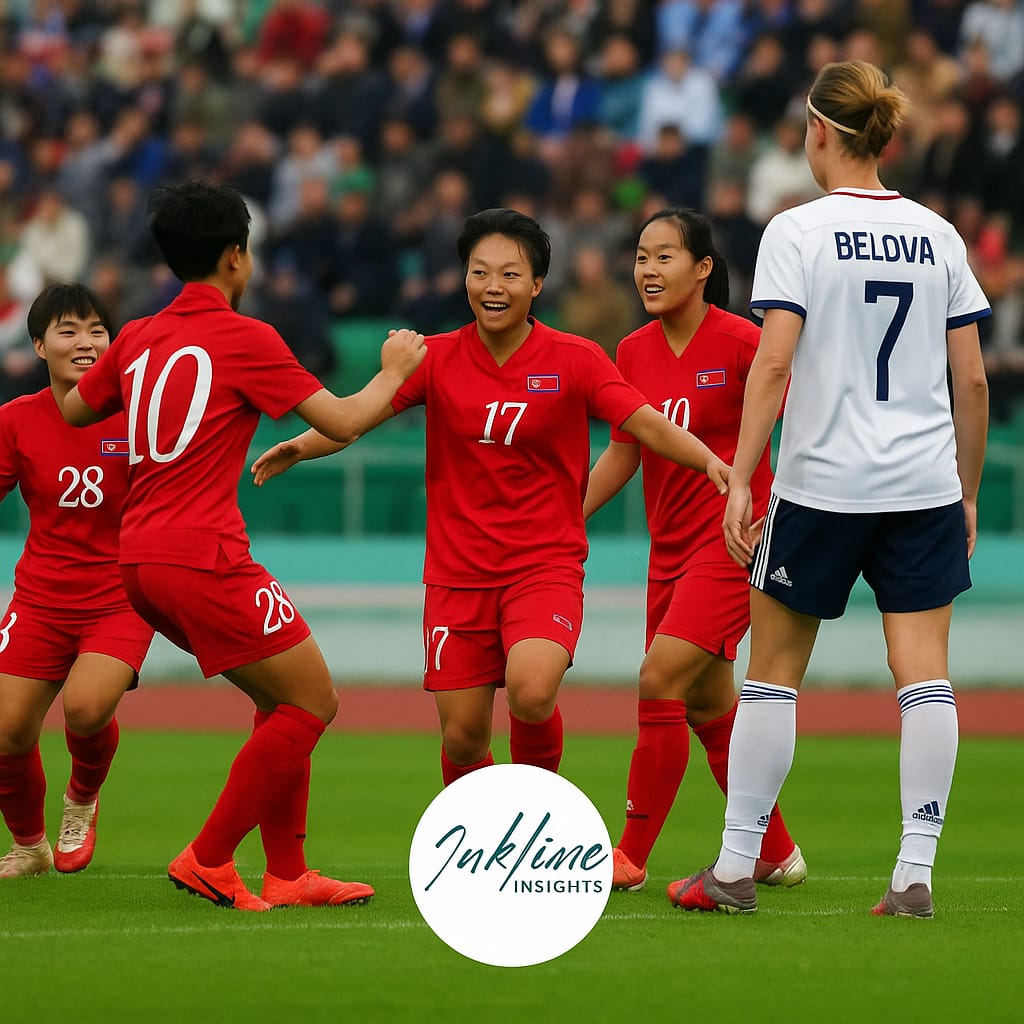
  • North Korea’s women’s national football team delivered a commanding performance as they defeated Russia 5–2 in a highly anticipated international friendly.

    The match showcased North Korea’s tactical discipline, physical strength, and sharp finishing—qualities that have long made them a formidable force in Asian women’s football.


    A Strong Start Sets the Tone for North Korea

    From the opening minutes, North Korea asserted control over the match. Their midfield pressed aggressively, winning possession high up the pitch and creating early scoring opportunities. This relentless pressure paid off quickly, as they broke through Russia’s defense with clinical execution and intelligent movement.

    Russia attempted to respond, but struggled to maintain possession under North Korea’s intensity.


    Explosive Attacking Display

    North Korea’s frontline was the star of the match, combining speed, precision, and coordination. Their attackers consistently found gaps in Russia’s defensive line, converting chances with:

    • Accurate, driven finishes
    • Quick one-touch passing sequences
    • Well-timed counterattacks

    By halftime, North Korea had established a strong lead, forcing Russia to adjust their structure and defensive approach.


    Russia Fights Back but Falls Short

    Russia showed resilience in the second half, pushing forward with more urgency. They managed to score twice through well-constructed plays, showcasing individual skill and improved teamwork. However, defensive lapses and slow transitions continued to trouble them, allowing North Korea to extend their lead.

    Russia created several promising chances but struggled with consistency in the final third.


    North Korea’s Midfield Dominance Makes the Difference

    The heart of North Korea’s victory came from their midfield unit, which controlled tempo and distribution throughout the game. Their ability to switch play quickly and win second balls prevented Russia from establishing rhythm or countering effectively.

    This midfield superiority ensured North Korea maintained momentum for the full 90 minutes.


    Key Takeaways from the Match

    North Korea’s Tactical Discipline

    Their organization and pressing structure stood out, making it difficult for Russia to build attacks.

    Russia Shows Potential

    Despite the defeat, Russia’s moments of creativity and strong individual plays show promise for future fixtures.

    A Statement Win for North Korea

    Scoring five goals in a high-profile friendly sends a clear message about the team’s current form and competitiveness.


    Conclusion

    North Korea’s dominant 5–2 victory over Russia in their international women’s football friendly highlights the team’s growing strength and strategic maturity. With sharp finishing, midfield control, and relentless pressure, North Korea showcased why they remain a respected competitor in global women’s football. Russia’s spirited response added excitement to the match, but the day ultimately belonged to North Korea as they sealed a convincing and well-deserved win.

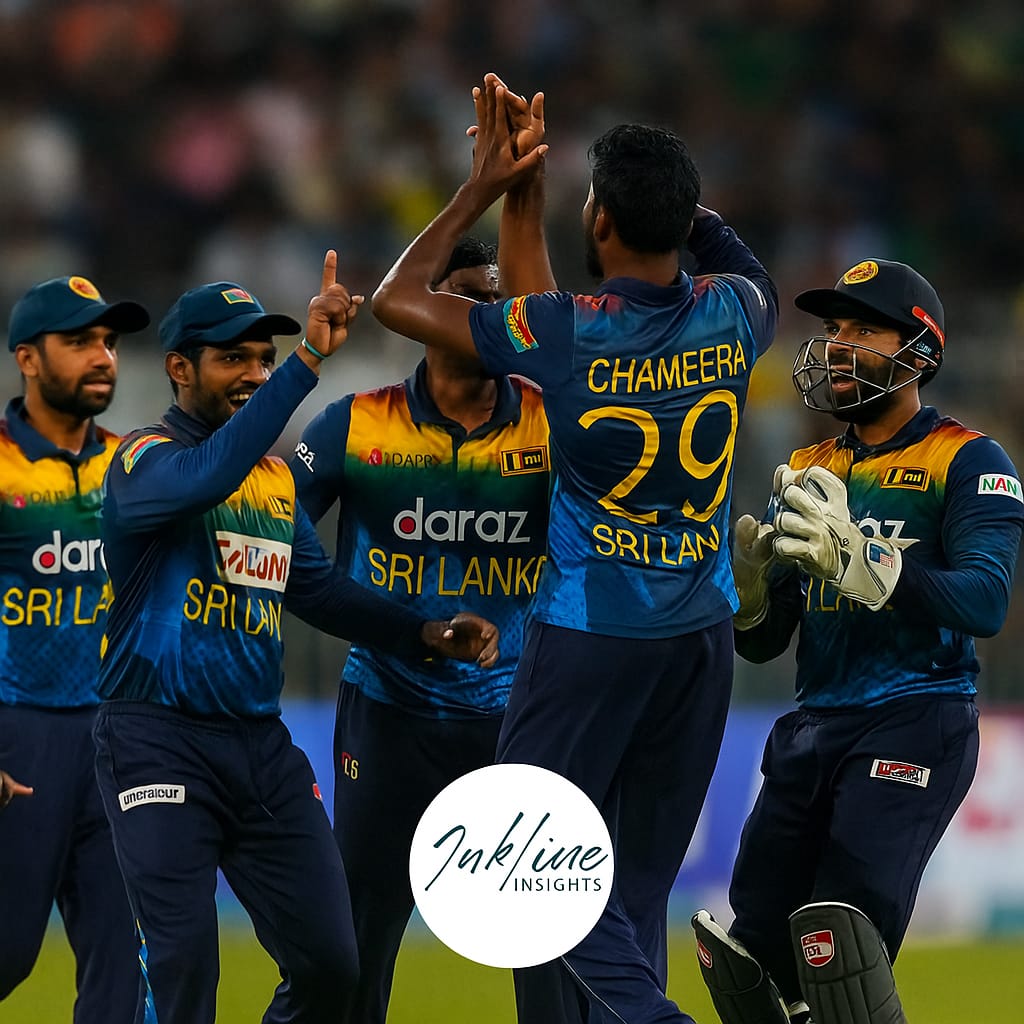
  • Sri Lanka Clinches Thriller as Pakistan Misses Out on T20 Tri-Series Final

    Sri Lanka pulled off a dramatic win to secure their place in the T20 Tri-Series final, leaving Pakistan stunned and eliminated after a nail-biting contest that went down to the final overs. The match, filled with momentum shifts and standout individual performances, has quickly become one of the most gripping encounters in recent limited-overs cricket.


    Sri Lanka Holds Nerve in a High-Pressure Finish

    Chasing a competitive target, Sri Lanka showed exceptional composure under pressure. Their top-order laid the foundation with calculated stroke play, while the middle-order delivered a decisive push during the final overs. Despite Pakistan’s disciplined bowling and fielding effort, Sri Lanka’s lower-order batters sealed the deal with smart running between the wickets and timely boundaries.


    Pakistan’s Missed Opportunities Prove Costly

    Pakistan entered the match with a clear path to the final: win convincingly and maintain a superior net run rate.
    But several key moments turned the game against them:

    • Missed catches at crucial stages
    • A few expensive overs during the middle phase
    • Inability to defend boundaries in the death overs

    Pakistan’s bowlers started strong but couldn’t maintain the same intensity as Sri Lanka accelerated late in the innings.


    A Tale of What Could Have Been for Pakistan

    Pakistan’s batting lineup posted a competitive total, thanks to a solid opening stand and a late flourish from the lower order. However, analysts pointed out that Pakistan fell 10–15 runs short, which ultimately made the difference.

    Had Pakistan added a bit more to their total—or capitalized on chances in the field—they could have easily punched their ticket to the final.


    Sri Lanka Advances with Momentum

    Sri Lanka’s victory not only secured their place in the T20 Tri-Series final but also boosted their confidence ahead of the championship match. Their balanced performance with both bat and ball demonstrated the depth and resilience of their squad.


    What This Means for the Tournament

    With Pakistan out and Sri Lanka advancing, the dynamics of the tournament have shifted:

    • Sri Lanka enters the final with strong momentum
    • Pakistan must regroup and reflect on areas of improvement
    • Fans anticipate a thrilling final after such a dramatic finish

    Conclusion

    Sri Lanka’s nail-biting win over Pakistan in the T20 Tri-Series has become a defining moment of the tournament. While Sri Lanka marches into the final with confidence, Pakistan’s unexpected exit will undoubtedly spark discussions about strategy, execution, and future improvements. The match serves as a reminder of how every run, wicket, and decision can shape the outcome of a high-stakes cricket encounter.

  • ⚽🇵🇰 Why Pakistan Doesn’t Have a World-Renowned Football Team — Lack of Talent or Something Else?

    Football is the world’s most loved sport — from South America to Europe, Africa to Asia. Yet, despite being the 5th most populous country, Pakistan struggles to make a mark on the global football stage. Many wonder: Is talent missing? Or are other forces holding us back?

    Let’s dive into the real reasons. 👇


    🌱 1. Talent Exists — But It’s Untapped

    The biggest misconception is that Pakistan lacks football talent.
    This is FALSE.

    From Lyari in Karachi 🏙️ to Chitral’s mountains 🏔️, Pakistani kids show exceptional football skills. Street football culture is vibrant, and many youngsters display raw potential.

    👉 The real issue is not talent, but the system that never polishes it.


    🏫 2. Poor Football Infrastructure 🏟️

    Unlike countries with world-class academies, Pakistan barely has professional training facilities.

    🚩 Major infrastructure gaps:

    • Limited football academies
    • Poor-quality pitches
    • Lack of professional coaches
    • No long-term development programs

    A talented player cannot reach international standards without consistent training and proper facilities.


    🏢 3. Mismanagement of Football Authorities ⚠️

    This is the biggest red flag in Pakistani football.

    The Pakistan Football Federation (PFF) has faced:

    • Internal conflicts
    • FIFA suspensions
    • Political interference
    • Administrative disputes

    Because of these issues, the players suffer — no leagues, no camps, no international exposure.

    👉 When the governing body is unstable, how can the sport grow?


    💸 4. Lack of Funding & Sponsorship

    Football in Pakistan receives minimal financial support.

    Why this is a problem:

    • No money = no academies
    • No money = poor training
    • No money = no national leagues
    • No money = no international tours

    Big countries invest millions in football development. Pakistan barely invests enough to maintain basic programs.


    📺 5. Cricket Overshadows Everything 🏏

    Cricket is king in Pakistan.
    Media, brands, and government bodies all prioritize cricket over other sports.

    Football players often feel ignored and unsupported compared to cricketers who receive:

    • Scholarships
    • Sponsorships
    • Media attention

    For players seeking a stable career, football becomes a risky choice.


    🌍 6. Limited Exposure to International Football ✈️

    Pakistani players rarely get a chance to compete internationally. Without playing against stronger teams, skills never progress.

    Countries like Japan, Qatar, and South Korea became football giants through global exposure — something Pakistan lacks.


    🎓 7. No Grassroots Programs 🌾

    Football superstars are created at the grassroots level, not overnight.
    Pakistan lacks:

    • School-level football programs
    • Age-based leagues (U12, U14, U17)
    • Professional youth scouting

    Without early development, even talented kids eventually drop football and pursue other careers.


    🧠 8. Lack of Professional Coaching 👨‍🏫

    Pakistani coaches rarely get international certifications.
    Without expert coaching, talented players remain stuck at a basic skill level.

    Countries like Germany and Japan invest heavily in coach education because better coaches = better players.


    💼 9. Football Isn’t Seen as a Career

    In Pakistan, most parents see football as a “hobby,” not a profession.
    Since the system offers:

    • No job security
    • No long-term career path
    • No financial sustainability

    Players eventually quit due to family pressure and economic realities.


    🎯 So, What’s the Real Reason? Lack of Talent or System Failure?

    👉 Pakistan DOES NOT lack football talent.
    The problem lies in:

    • Mismanagement
    • Poor infrastructure
    • Lack of funding
    • Zero long-term planning
    • No youth development
    • Limited exposure

    In short, Pakistan’s football system fails its players — not the other way around.


    What Pakistan Needs to Become a Football Nation

    To rise on the global stage, Pakistan must:
    ✔️ Build professional academies
    ✔️ Train qualified coaches
    ✔️ Create school-level leagues
    ✔️ Secure sponsorships
    ✔️ Ensure stability in PFF
    ✔️ Provide international exposure

    With the right roadmap, Pakistan can develop world-class footballers — the passion is already here. 💚⚽🇵🇰