

Introduction
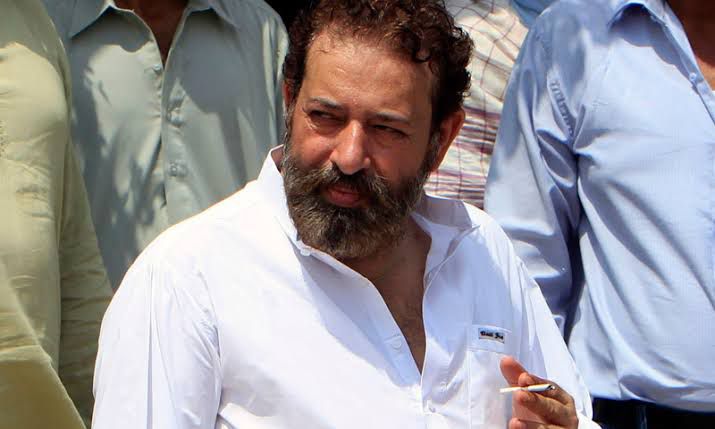
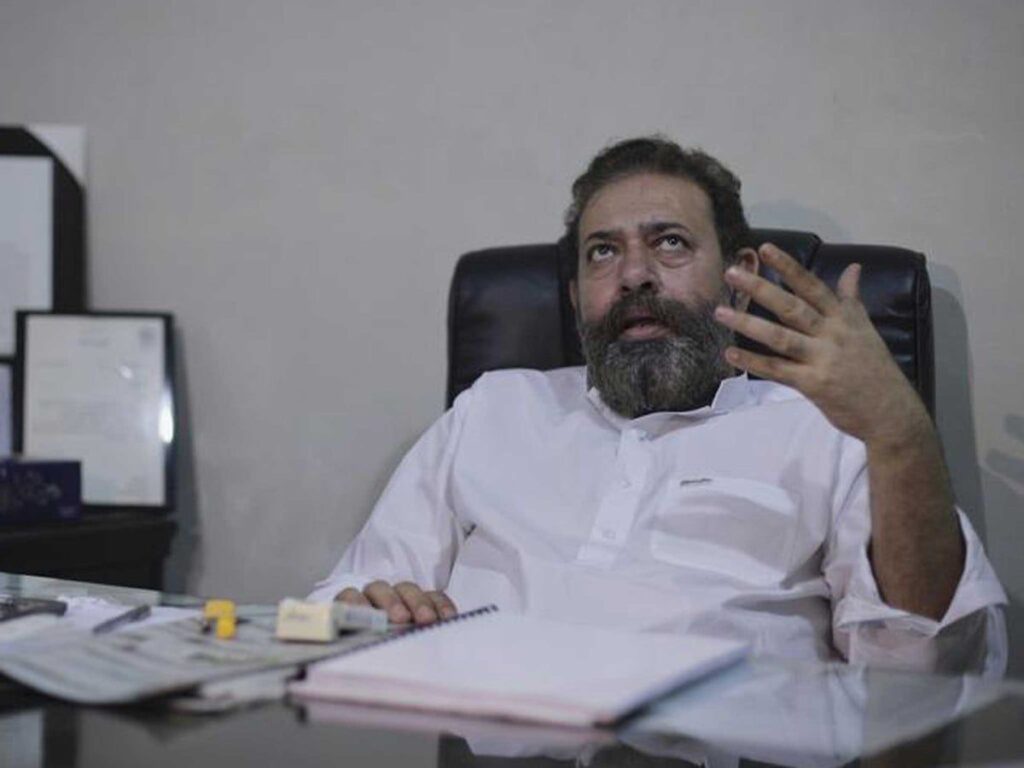
Chaudhry Aslam Khan remains one of the most respected and controversial figures in Pakistan’s law-enforcement history. More than a decade after his assassination, his name has again come into public discussion due to an Indian film allegedly inspired by his life. The portrayal has sparked debate across Pakistan and India, drawing strong reactions—especially from his widow, who has condemned the depiction.
This article explains who Chaudhry Aslam was, how the Indian movie is linked to him, and what his wife has said about the controversy.
Who Was Chaudhry Aslam Khan?
Chaudhry Aslam Khan was a senior police officer of the Sindh Police, serving mainly in Karachi, Pakistan’s largest and most volatile city.
Key facts about Chaudhry Aslam:
- Held the rank of Senior Superintendent of Police (SSP)
- Led several high-risk counter-terrorism operations
- Played a major role against:
- Tehrik-i-Taliban Pakistan (TTP)
- Al-Qaeda-linked militants
- Sectarian extremist networks
- Organized criminal gangs in Karachi
- Survived numerous assassination attempts
- Killed in January 2014 in a suicide bombing in Karachi, along with his son
In Pakistan, he is widely remembered as a martyr who dedicated his life to combating terrorism.
The Indian Movie Linked to the Controversy
In recent times, Indian action-thriller Dhurandhar was released in theaters on December 5, 2025. It’s a fictional story inspired by covert operations and gang-war/terror-related events in Karachi’s Lyari area. The film includes characters based on real people — including Chaudhary Aslam Khan, portrayed by actor Sanjay Dutt. an
.
Why the film caused outrage:
- The character appears to resemble Chaudhry Aslam in:
- Position and authority
- Career background
- Geographic setting (Karachi)
- The portrayal allegedly shows the character as:
- Morally compromised
- Politically manipulative
- Involved in actions contradictory to Chaudhry Aslam’s real-life image
Although the filmmakers describe the story as fictional, critics argue that the similarities are too specific to ignore.
Why Pakistan Objected to the Portrayal
The objection is not only political—it is deeply emotional and symbolic.
In Pakistan:
- Chaudhry Aslam is viewed as a hero of the anti-terror war
- Any negative depiction is seen as:
- A distortion of history
- An insult to sacrifices made by law-enforcement officers
- A misrepresentation of Pakistan’s fight against terrorism
As a result, the movie has faced:
- Strong backlash on social media
- Condemnation by journalists and analysts
- Calls for bans and legal review
His Wife’s Reaction: Strong Condemnation
Noreen Aslam, the widow of Chaudhry Aslam Khan, has publicly reacted to the movie and its alleged portrayal.
What she said:
- She described the depiction as disrespectful and painful
- Stated that her husband:
- Was a law-abiding officer
- Fought terrorists, not protected them
- Rejected any narrative that portrays him as:
- Corrupt
- Complicit with criminals or militants
Legal and moral stance:
- She has indicated that the family is considering legal options
- Emphasized that:
- Freedom of expression should not come at the cost of defaming real martyrs
- Commercial cinema must respect historical truth
Her response has been widely shared in Pakistani media and has resonated strongly with the public.
Comparison With Earlier Film Controversies
This is not the first time Chaudhry Aslam’s name has been linked to Indian cinema.
- In 2015, the Bollywood film Phantom was banned in Pakistan
- The ban was due to a character believed to be inspired by Chaudhry Aslam, portrayed negatively
- The current controversy has revived memories of that incident, reinforcing long-standing concerns about cross-border narratives
Broader Impact of the Controversy
The issue goes beyond one film:
- Highlights India–Pakistan sensitivities in media representation
- Raises ethical questions about:
- Using real people as inspiration without consent
- Portraying deceased individuals who cannot defend themselves
- Shows how cinema can influence public perception across borders
Conclusion
Chaudhry Aslam Khan was a real police officer who lost his life fighting terrorism, not a fictional villain. The recent Indian movie controversy has reopened emotional wounds for his family and for many Pakistanis who regard him as a national hero.
His wife’s firm response reflects a broader demand: respect for truth, martyrs, and historical integrity. Whether through dialogue or legal channels, the debate underscores the responsibility filmmakers carry when drawing from real lives—especially those marked by sacrifice.
Leave a Reply