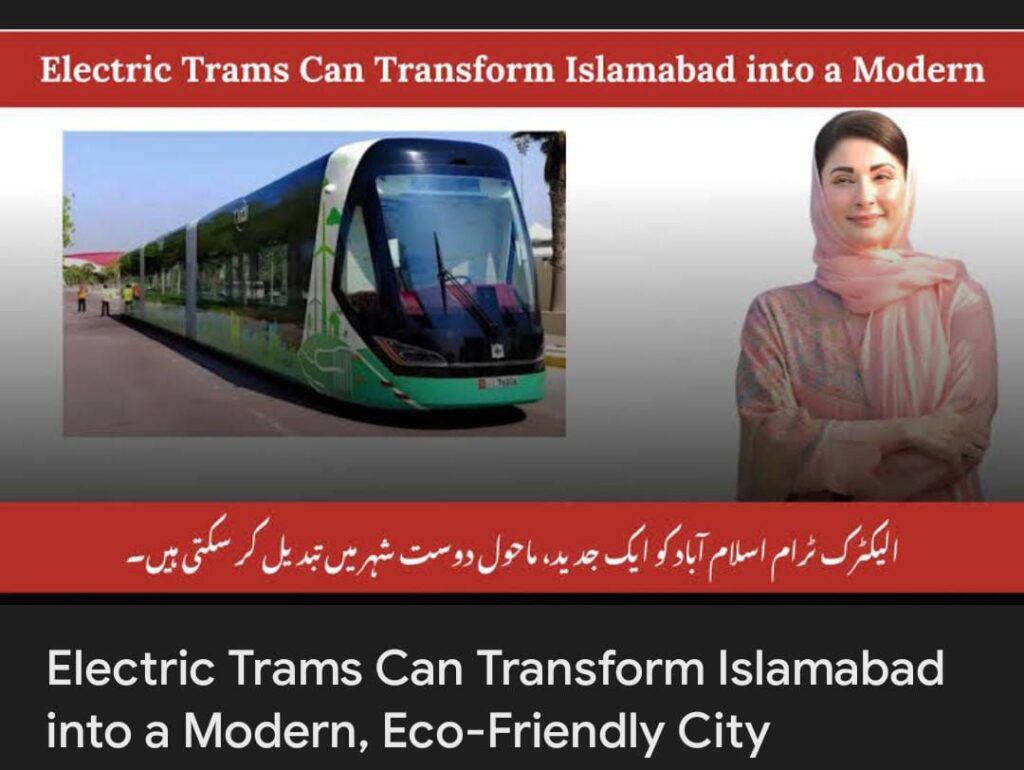
Islamabad, Pakistan’s carefully planned capital, is often praised for its greenery, wide roads, and organized sectors. However, like many growing cities, it is now facing increasing challenges related to traffic congestion, air pollution, rising fuel costs, and pressure on public transport infrastructure. As urban populations grow and environmental concerns intensify, sustainable transportation solutions are no longer optional—they are essential. One promising solution is the introduction of electric trams.
Electric trams have transformed cities across Europe, Asia, and the Middle East by offering clean, efficient, and affordable urban mobility. If implemented thoughtfully, electric tram systems could significantly modernize Islamabad while preserving its natural beauty and improving the quality of life for residents.
The Rising Transport Challenge in Islamabad
Islamabad’s population has grown rapidly over the past two decades. With increased urbanization, the number of private vehicles has surged, resulting in:
- Frequent traffic congestion on major corridors
- Higher carbon emissions
- Increased fuel consumption
- Noise pollution in residential areas
According to global urban transport trends, road traffic contributes a major share of city-level air pollution. In Pakistan, transport emissions are a growing contributor to deteriorating air quality. While projects like metro buses have improved mobility, Islamabad still lacks a diversified, environmentally friendly transport network that can serve both short and medium-distance commuters efficiently.
What Are Electric Trams?
Electric trams are rail-based vehicles that operate on tracks laid within city roads or dedicated corridors. Unlike diesel buses or fuel-powered cars, trams run on electricity, producing zero direct emissions. Modern trams are quiet, energy-efficient, and capable of transporting large numbers of passengers with minimal environmental impact.
Many cities have reintroduced trams after realizing their long-term economic and environmental benefits. Cities such as Vienna, Amsterdam, Dubai, and Istanbul have successfully integrated trams into their public transport systems.
Environmental Benefits of Electric Trams
One of the strongest arguments for electric trams in Islamabad is their environmental advantage.
1. Reduction in Air Pollution
Electric trams do not emit harmful gases such as carbon monoxide or nitrogen oxides at street level. This can significantly improve air quality, especially in high-traffic areas like Blue Area, G-6, and I-8 sectors.
2. Lower Carbon Footprint
Compared to private vehicles and diesel buses, trams produce substantially fewer greenhouse gas emissions per passenger kilometer. When combined with renewable energy sources, their environmental impact becomes even smaller.
3. Noise Reduction
Electric trams operate quietly, reducing noise pollution in residential and commercial zones. This aligns well with Islamabad’s identity as a peaceful and livable city.
Economic Advantages for the City and Citizens
While the initial investment in tram infrastructure may appear high, long-term economic benefits make electric trams a cost-effective solution.
Reduced Fuel Imports
Pakistan spends a significant amount of foreign exchange on fuel imports. Electric trams can reduce reliance on imported oil, easing pressure on the national economy.
Lower Operating Costs
Electric trams have lower maintenance and fuel costs compared to conventional buses. Over time, this results in savings for city administrations.
Affordable Public Transport
Trams can offer stable and affordable fares, helping daily commuters, students, and low-income workers save money on transportation.
Improving Urban Mobility and Traffic Flow
Islamabad’s wide roads and planned sectors make it suitable for tram corridors. Electric trams can:
- Carry more passengers than buses
- Reduce the number of private vehicles on roads
- Improve travel time reliability
- Encourage people to shift from cars to public transport
Dedicated tram lanes also reduce traffic conflicts and enhance road safety for pedestrians and cyclists.
Boosting Tourism and City Image
A modern tram system would not only improve transport but also enhance Islamabad’s global image. Cities with clean and efficient public transport are more attractive to tourists, investors, and international organizations.
Tram routes connecting landmarks such as Faisal Mosque, Daman-e-Koh, Constitution Avenue, and commercial centers could offer scenic and convenient travel options for visitors.
Supporting Sustainable Urban Development
Electric trams align with global sustainable development goals by promoting:
- Clean energy use
- Sustainable cities and communities
- Climate action
- Improved public health
They also support transit-oriented development, encouraging smart land use and reducing urban sprawl.
Challenges and Considerations
While the benefits are clear, successful implementation requires careful planning.
Infrastructure Costs
Track installation, power systems, and stations require upfront investment. However, phased development and public-private partnerships can reduce financial burden.
Urban Planning Coordination
Tram routes must be integrated with existing roads, metro buses, and pedestrian pathways to ensure seamless connectivity.
Public Awareness and Acceptance
Educating citizens about the benefits of trams is essential to encourage usage and reduce resistance to change.
A Practical Way Forward for Islamabad
Islamabad can begin with pilot tram corridors in high-demand areas, gradually expanding the network based on performance and demand. Integration with existing metro bus routes, smart ticketing systems, and last-mile connectivity options would maximize efficiency.
Government support, transparent planning, and long-term vision are key to turning this concept into reality.
Conclusion
Electric trams have the potential to transform Islamabad into a truly modern, eco-friendly, and future-ready city. By reducing pollution, easing traffic congestion, lowering transport costs, and enhancing urban life, trams offer a sustainable solution to many of the capital’s growing challenges.
As cities around the world move toward greener mobility, Islamabad has an opportunity to lead by example in Pakistan. Investing in electric tram systems today can create cleaner air, smoother transportation, and a better quality of life for generations to come.
Leave a Reply