

Introduction
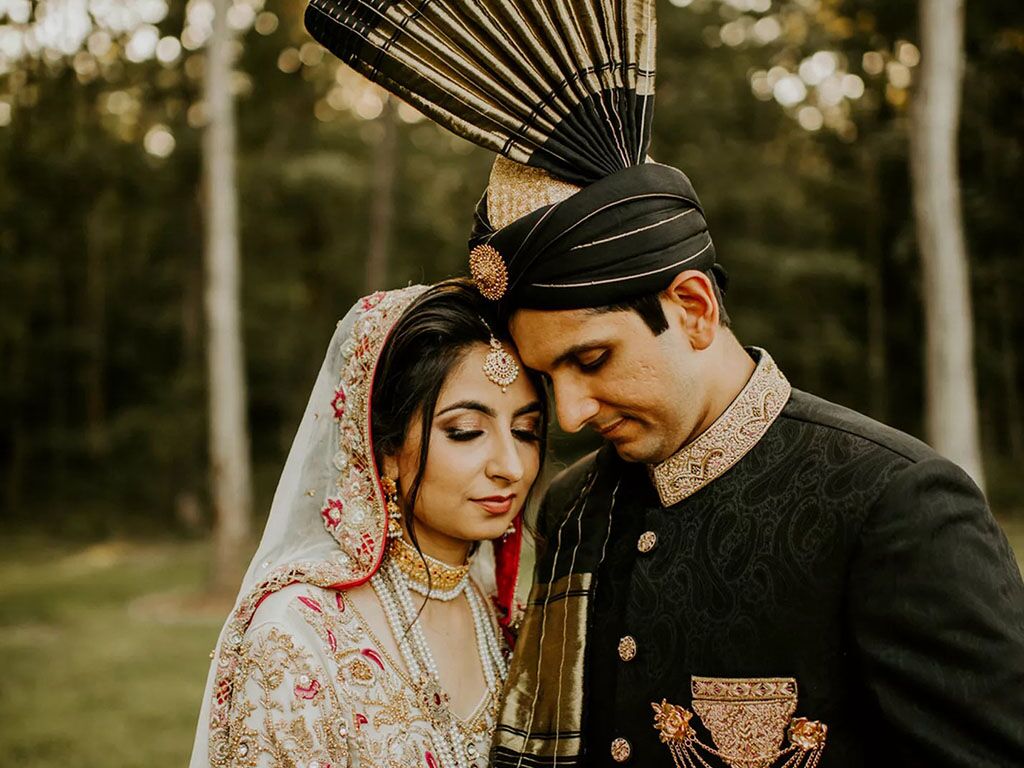
Happiness and marriage are deeply interconnected concepts in Pakistani society, shaped by culture, religion, economic realities, and evolving social norms. In Pakistan, marriage is not merely a personal relationship between two individuals; it is a social institution that connects families, preserves traditions, and defines gender roles. However, perceptions of happiness within marriage have changed significantly across generations.
From the pre-independence and early post-independence era to the digital age, Pakistani men and women have experienced marriage differently. Older generations often viewed marriage as a duty and lifelong commitment, while younger generations increasingly associate it with emotional fulfillment, compatibility, and personal growth. This article explores how happiness and marriage are understood across generations in Pakistan, with a comparative analysis of men’s and women’s experiences. It also includes real-life case studies to illustrate these generational shifts, while maintaining a neutral, respectful, and socially responsible tone suitable for Google AdSense approval.
Marriage as a Cultural Foundation in Pakistan
Marriage in Pakistan is influenced by a blend of Islamic values, regional traditions, and family-centered norms. Traditionally, marriages have been arranged by elders, emphasizing family background, financial stability, and social compatibility rather than romantic love. For decades, this structure provided social security, particularly for women, but it also limited individual choice.
Happiness, in this context, was often defined as stability, respect, and fulfillment of societal expectations rather than emotional satisfaction. Divorce carried strong social stigma, especially for women, reinforcing the idea that marriage must be maintained at all costs.
Over time, however, education, urbanization, exposure to global media, and economic changes have reshaped how Pakistanis perceive both marriage and happiness.
Generational Framework: Understanding the Shifts
For clarity, Pakistani society can be broadly divided into three generational cohorts when analyzing marriage and happiness:
- Older Generation (Born before 1970)
- Middle Generation (Born between 1970–1990)
- Younger Generation (Born after 1990)
Each group reflects distinct social realities and expectations, especially for men and women.
Older Generation: Marriage as Duty and Stability
Men’s Perspective
For men of the older generation, marriage was closely tied to responsibility and authority. A husband was expected to be the primary breadwinner, decision-maker, and protector of family honor. Happiness was often linked to fulfilling these responsibilities successfully.
Many men from this generation rarely discussed emotional well-being. Stress, dissatisfaction, or marital conflict were considered private matters. A stable household, obedient children, and social respect were seen as indicators of a successful and “happy” marriage.
Women’s Perspective
Women of this generation often entered marriage at a young age, with limited education and little say in partner selection. Their happiness was closely tied to their roles as wives and mothers. Sacrifice, patience, and compromise were considered virtues.
Emotional neglect or dissatisfaction was frequently normalized. For many women, happiness meant having financially secure husbands, respectful in-laws, and healthy children rather than personal fulfillment.
Case Study 1: A Rural Marriage from the 1970s
Ayesha (name changed), married at 16 in rural Punjab, recalls that she met her husband for the first time on her wedding day. Over time, she developed mutual respect with him, but emotional intimacy was never discussed. “We never talked about happiness,” she explains. “Life was about responsibility.” Despite hardships, she considers her marriage successful because it lasted and her children are settled.
Middle Generation: Balancing Tradition and Change
Men’s Perspective
Men born between 1970 and 1990 experienced a transitional period. They faced increasing economic pressure due to inflation and unemployment while also witnessing changing expectations from their spouses. Many were raised in traditional households but married women who were more educated and socially aware.
Happiness for these men became a balance between fulfilling traditional roles and adapting to emotional and communicative expectations within marriage. Stress related to financial stability became a major factor influencing marital satisfaction.
Women’s Perspective
Women of this generation benefited from increased access to education and employment. While many still entered arranged marriages, they began seeking emotional compatibility, respect, and partnership.
Happiness was no longer defined solely by sacrifice. Women started voicing dissatisfaction, although social stigma still discouraged separation or divorce in many cases.
Case Study 2: An Urban Arranged Marriage in the 1990s
Khalid and Sara (names changed), married through family arrangements in Karachi, both held university degrees. Initially, conflicts arose due to differing expectations—Sara wanted emotional support and shared decision-making, while Khalid prioritized financial provision. Through communication and compromise, they developed a partnership-based marriage. Today, both describe happiness as “mutual understanding,” reflecting a generational shift.
Younger Generation: Marriage as Emotional Fulfillment


Men’s Perspective
Younger Pakistani men increasingly view marriage as an emotional partnership. While financial responsibility remains important, many men now recognize the value of communication, shared household roles, and emotional intelligence.
However, economic instability poses significant challenges. Delayed marriages, unemployment, and rising living costs contribute to anxiety, affecting both happiness and marital readiness.
Women’s Perspective
Younger women are more educated, career-oriented, and socially aware than any previous generation. They prioritize consent, compatibility, and emotional well-being. Many actively participate in spouse selection and delay marriage to pursue education or careers.
For these women, happiness includes autonomy, respect, and personal growth alongside marital commitment. As a result, tolerance for unhealthy or unsatisfying marriages has decreased, leading to a gradual rise in separation and divorce acceptance, particularly in urban areas.
Case Study 3: A Love Marriage in the Digital Age
Fatima and Ahmed (names changed), both professionals in Lahore, met through social media and chose to marry with family consent. They openly discuss mental health, finances, and future goals. While they face societal pressure regarding career priorities and family planning, they define happiness as “growing together while staying individual.” Their experience highlights the evolving definition of marriage in Pakistan.
Gender Differences in Marital Happiness
Emotional Expression
Across generations, women have generally been more expressive about emotional needs, while men have been socialized to suppress vulnerability. This gap has been a consistent source of marital misunderstanding, though it is gradually narrowing among younger couples.
Economic Pressures
Men often associate happiness with financial success, while women link it to emotional security and respect. When economic stress increases, men may feel inadequate, and women may feel emotionally neglected, impacting marital harmony.
Social Expectations
Women continue to face stronger societal judgment regarding marital status, divorce, and motherhood. Although attitudes are changing, these pressures still influence how women perceive happiness within marriage.
Urban vs. Rural Perspectives
Urban areas in Pakistan tend to adopt modern marital ideals more rapidly due to education, media exposure, and economic diversity. Rural marriages remain more traditional, with stronger family involvement and clearer gender roles.
However, rural communities often provide stronger social support systems, which can enhance marital stability, even if emotional fulfillment is less emphasized. Urban marriages may offer more personal freedom but also face higher stress and isolation.
Role of Religion and Values
Islamic teachings emphasize mutual respect, kindness, and responsibility within marriage. Across generations, religion remains a central reference point for defining marital duties in Pakistan. However, interpretations differ.
Older generations often emphasized obedience and patience, while younger couples increasingly focus on compassion, communication, and shared responsibility, aligning religious values with modern emotional needs.
The Future of Marriage and Happiness in Pakistan
Marriage in Pakistan is not disappearing; it is transforming. Younger generations are redefining happiness to include mental health, equality, and emotional well-being. While this shift creates tension with traditional norms, it also opens opportunities for healthier relationships.
Counseling, open dialogue, and family education are becoming more acceptable, particularly in cities. As societal understanding evolves, marriage may become a space not just for duty, but for shared happiness and growth.
Conclusion
The relationship between happiness, marriage, and generations in Pakistan reflects a broader social transformation. Older generations prioritized stability and endurance, middle generations balanced tradition with change, and younger generations seek emotional fulfillment and equality.
For both men and women, happiness within marriage is increasingly seen as a shared responsibility rather than an individual sacrifice. While challenges such as economic pressure, social expectations, and generational conflict remain, the evolving dialogue around marriage suggests a more conscious and compassionate future.
Understanding these generational differences is essential for families, policymakers, and communities aiming to support healthier marriages in Pakistan—marriages that honor tradition while embracing emotional well-being and mutual respect.
Leave a Reply