House design is more than just architecture. It reflects how people live, how families interact, how climate is handled, and what a society values most. In Pakistan, house designs are shaped by privacy, weather conditions, and family systems, while homes in other countries are designed around very different lifestyles and environments. Understanding these differences helps explain why Pakistani houses look and function the way they do — and why international designs often feel unfamiliar or impractical here.
House Design in Pakistan



Traditional House Design in Pakistan
Traditional house design in Pakistan is strongly connected to climate and culture. Older homes, especially in cities like Lahore, Multan, and Peshawar, were built to stay cool in extreme heat and to maintain family privacy.
Most traditional houses include a central courtyard, locally known as a sehan. This open space allows natural airflow, sunlight, and a private area for family gatherings. Thick brick walls help keep indoor temperatures lower during summer, while small or inward-facing windows protect privacy.
Another defining feature is the clear separation between guest areas and family living spaces. This design reflects cultural values where guests are respected but family privacy is carefully maintained.
Modern House Design in Pakistan
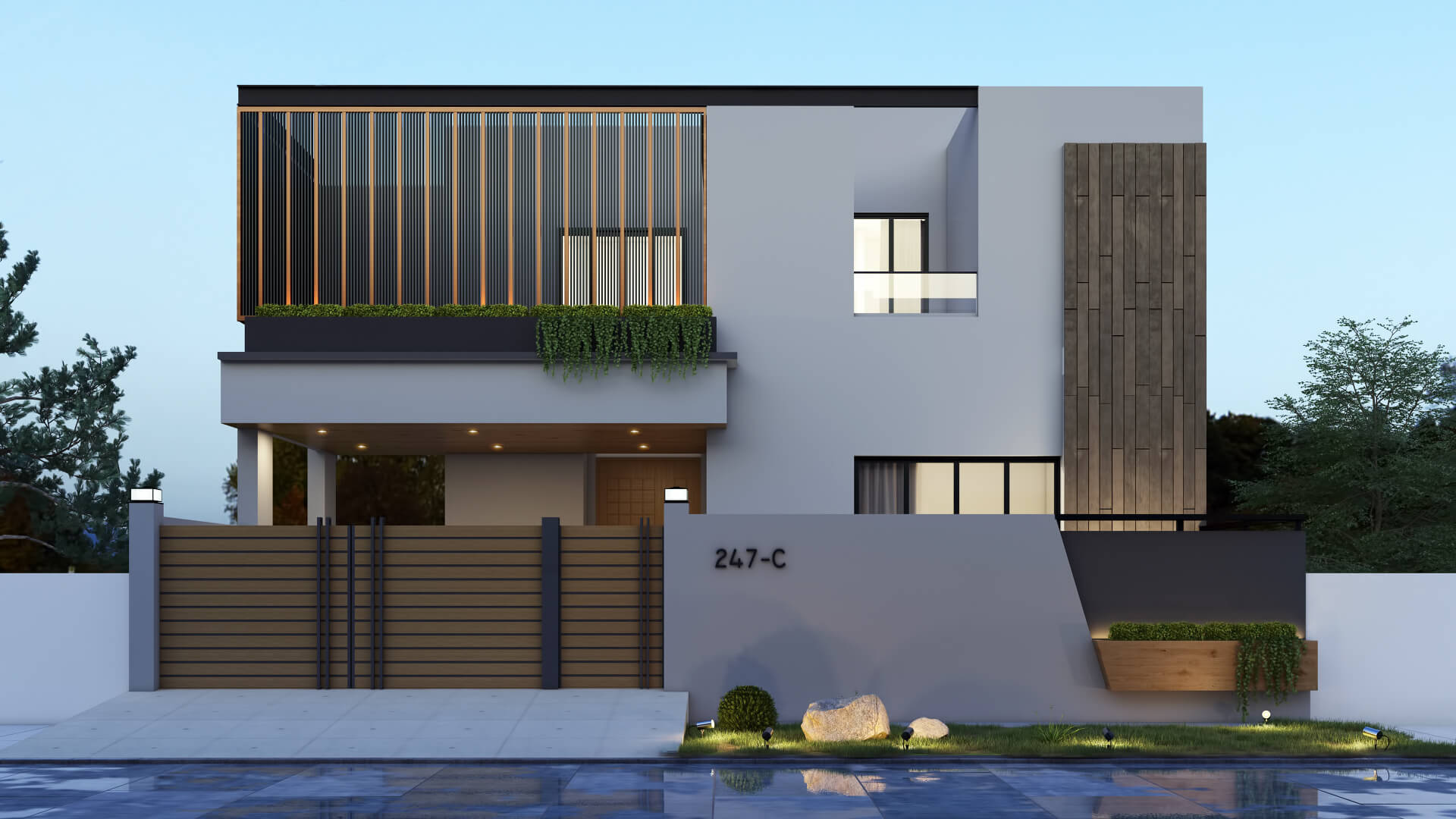
Modern house design in Pakistan has changed significantly in recent years, especially in urban areas such as Karachi, Islamabad, and Rawalpindi. Today’s homes focus more on appearance, comfort, and efficient use of space.
Common features include open living rooms, attached bathrooms, false ceilings with LED lighting, and car porches built into the structure. Rooftops are often used instead of courtyards due to limited plot sizes.
While modern designs look stylish, many still retain traditional elements like boundary walls and separate guest rooms, showing how Pakistani homeowners blend modern trends with cultural needs.
House Design in Other Countries
House designs around the world are shaped by climate, land availability, and lifestyle. What works well in one country may not be practical in another.
House Design in Western Countries


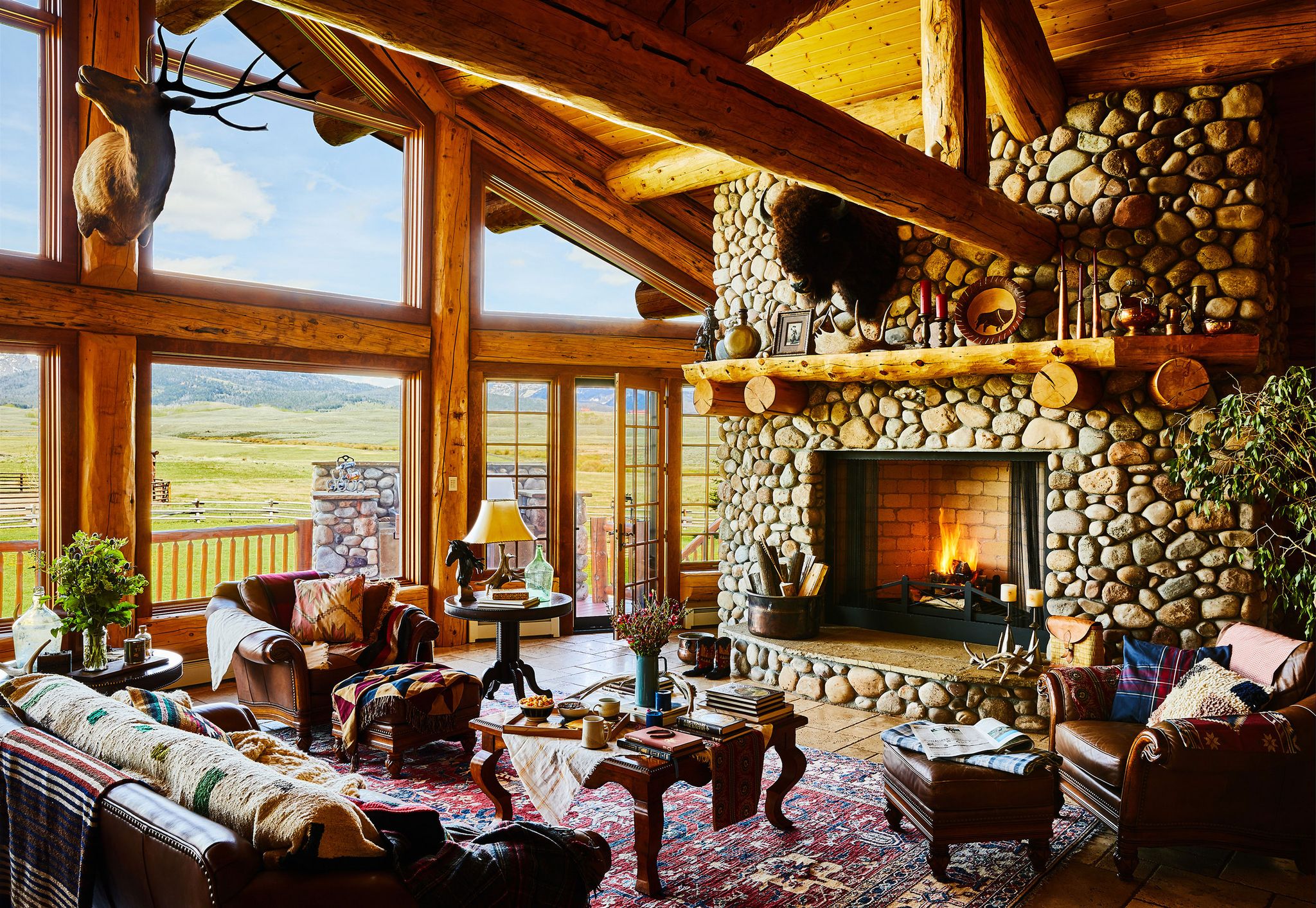
In countries such as the United States, the United Kingdom, and much of Europe, houses are designed for colder climates and smaller family units.
Open-plan layouts are very common, where the kitchen, dining, and living areas are connected without walls. Front lawns are preferred over boundary walls, and large windows are used to maximize natural light. Most houses rely heavily on heating systems rather than natural cooling methods.
Privacy is less strict, and social interaction often happens outside the home, which is very different from the Pakistani lifestyle.
House Design in Middle Eastern Countries


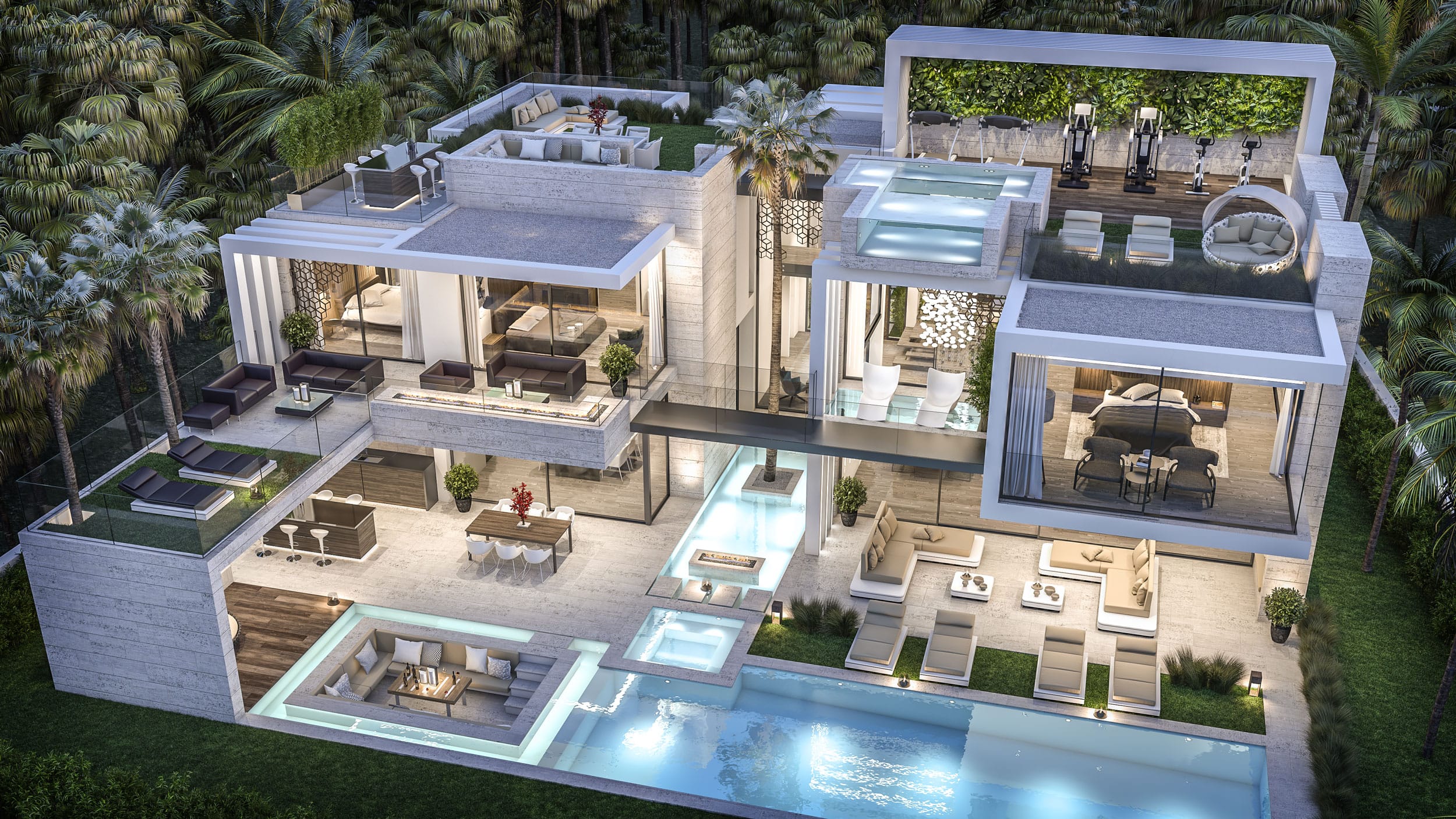

House designs in Middle Eastern countries share several similarities with Pakistani homes. Due to extreme heat, many houses are built around courtyards and enclosed spaces.
High walls, minimal street-facing windows, and shaded outdoor areas are common. Decorative elements like mashrabiya screens are used to control sunlight while allowing airflow. These designs prioritize heat control and privacy, making them closer to traditional Pakistani architecture than Western homes.
House Design in East Asian Countries

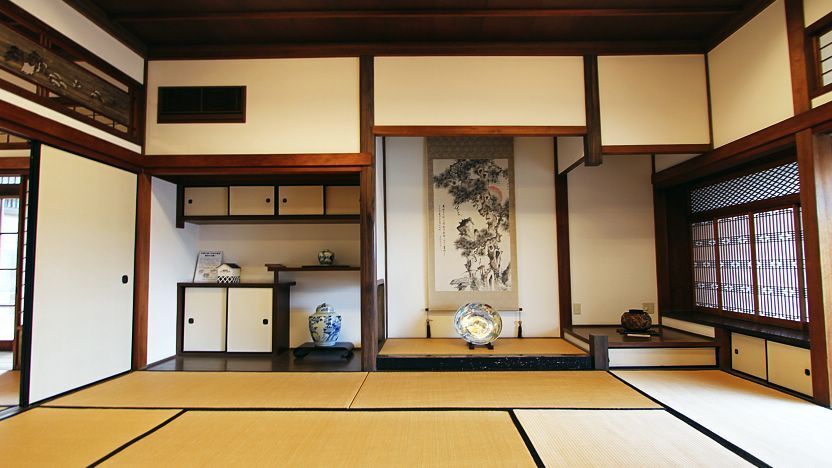
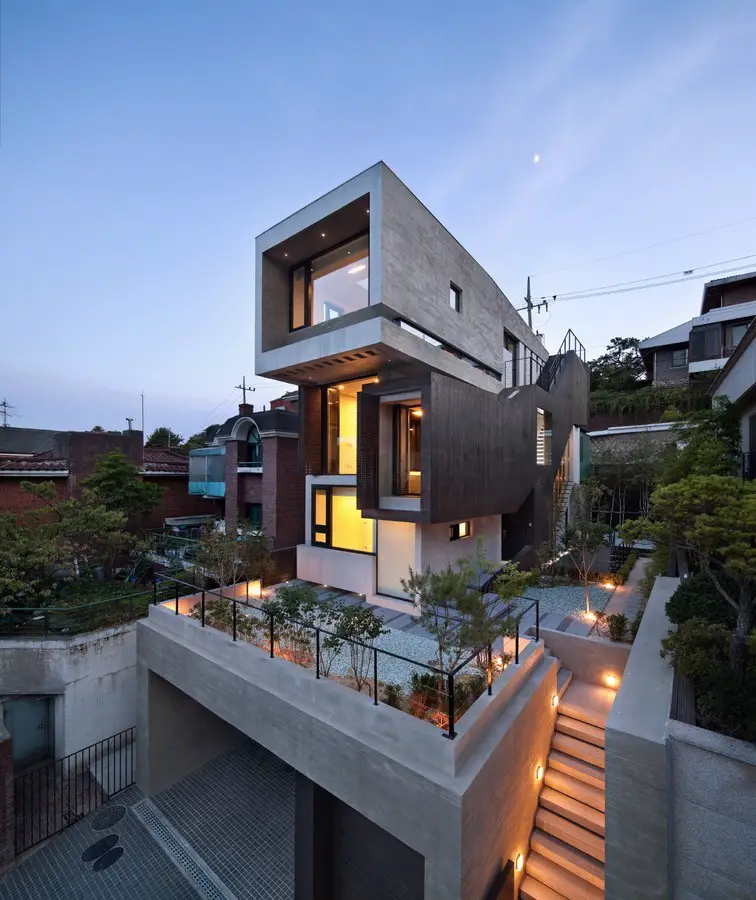
In countries such as Japan, China, and South Korea, houses are designed to make maximum use of limited space. Homes are often smaller but highly functional.
Minimalist interiors, sliding doors, and multi-purpose rooms are common. Many houses are built with earthquake-resistant technology, especially in Japan. Unlike Pakistani homes, where rooms are often dedicated to specific purposes, East Asian houses emphasize flexibility and efficiency.
Comparison of House Design in Pakistan and Other Countries
FeaturePakistanWestern CountriesMiddle EastEast AsiaPrivacyVery highModerateVery highModerateCourtyardCommon in traditional homesRareVery commonTraditional onlyConstruction materialBrick, concreteWood, drywallConcrete, stoneWood, steelClimate focusHeat controlCold controlExtreme heat controlDisaster resistanceFamily systemJoint familyNuclear familyExtended familyNuclear family
Why House Design in Pakistan Is Different
One major reason Pakistani house design differs from other countries is climate. Long summers, high temperatures, and electricity shortages make natural cooling methods essential. Thick walls, shaded areas, and limited external windows help reduce heat.
Cultural values also play a key role. Privacy, respect for guests, and gender separation influence room layout and entrance design. Additionally, the joint family system means houses often include extra bedrooms or additional floors for future expansion.
These factors make house design in Pakistan unique and highly adapted to local living conditions.
Future Trends in House Design in Pakistan

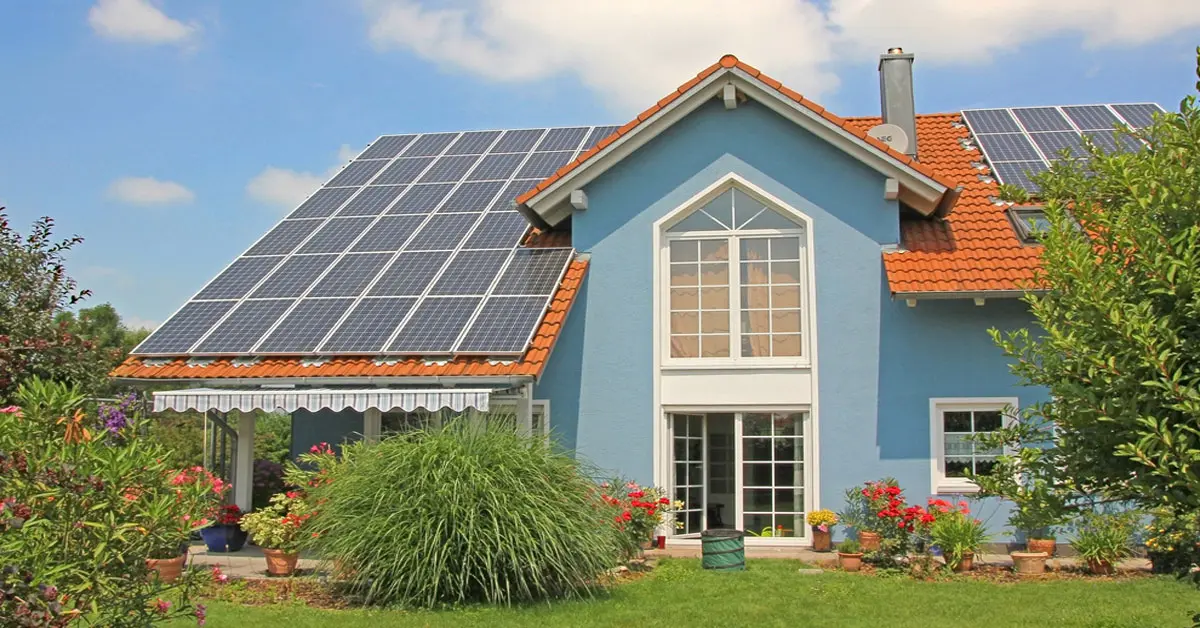

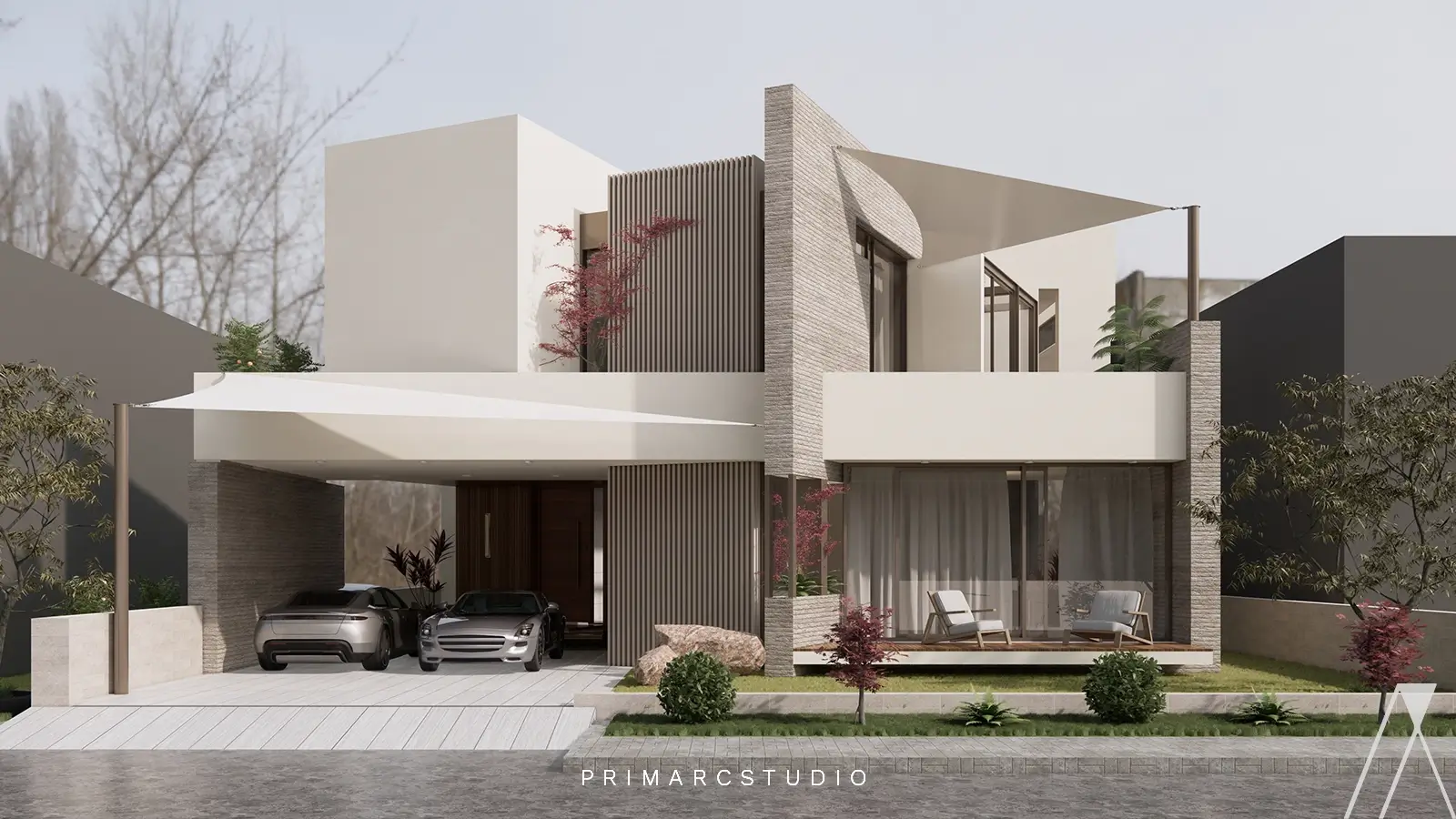
House design in Pakistan is gradually evolving. Many homeowners are now interested in energy-efficient houses, solar panels, smart home systems, and minimalist interiors. Smaller but smarter homes are becoming popular, especially in cities where land is expensive.
In the future, Pakistani house designs are expected to combine traditional features with modern technology, creating homes that are comfortable, efficient, and culturally appropriate.
Frequently Asked Questions (FAQs)
What is the most popular house design in Pakistan?
The most popular house design in Pakistan is a modern double-story home with boundary walls, a car porch, rooftop space, and separate guest areas. This design suits urban living while maintaining privacy.
How is house design in Pakistan different from Western countries?
House design in Pakistan focuses on privacy, joint family living, and heat control, while Western house designs emphasize open layouts, front lawns, and heating systems for colder climates.
Are Pakistani houses suitable for hot weather?
Yes, traditional Pakistani houses are well-suited for hot weather because of thick walls, courtyards, shaded spaces, and natural ventilation that help keep interiors cool.
Which country has the best house design?
There is no single best house design. Pakistani houses work well for privacy and climate, Western houses focus on comfort and style, and East Asian houses are designed for efficiency and safety.
What materials are commonly used in Pakistani house construction?
Most houses in Pakistan are built using bricks, cement, concrete, steel, and marble, which provide durability and protection against extreme weather conditions.
Is modern house design replacing traditional houses in Pakistan?
Modern house designs are becoming more common in cities, but many traditional elements such as boundary walls and rooftop spaces are still widely used.
Can Pakistani house designs include international styles?
Yes, many homeowners now prefer hybrid designs that combine international architectural ideas with traditional Pakistani features to suit local needs.
House design reflects how people live and what they value most. While international house designs offer inspiration, Pakistani house design remains uniquely suited to local culture, climate, and family life.
Leave a Reply