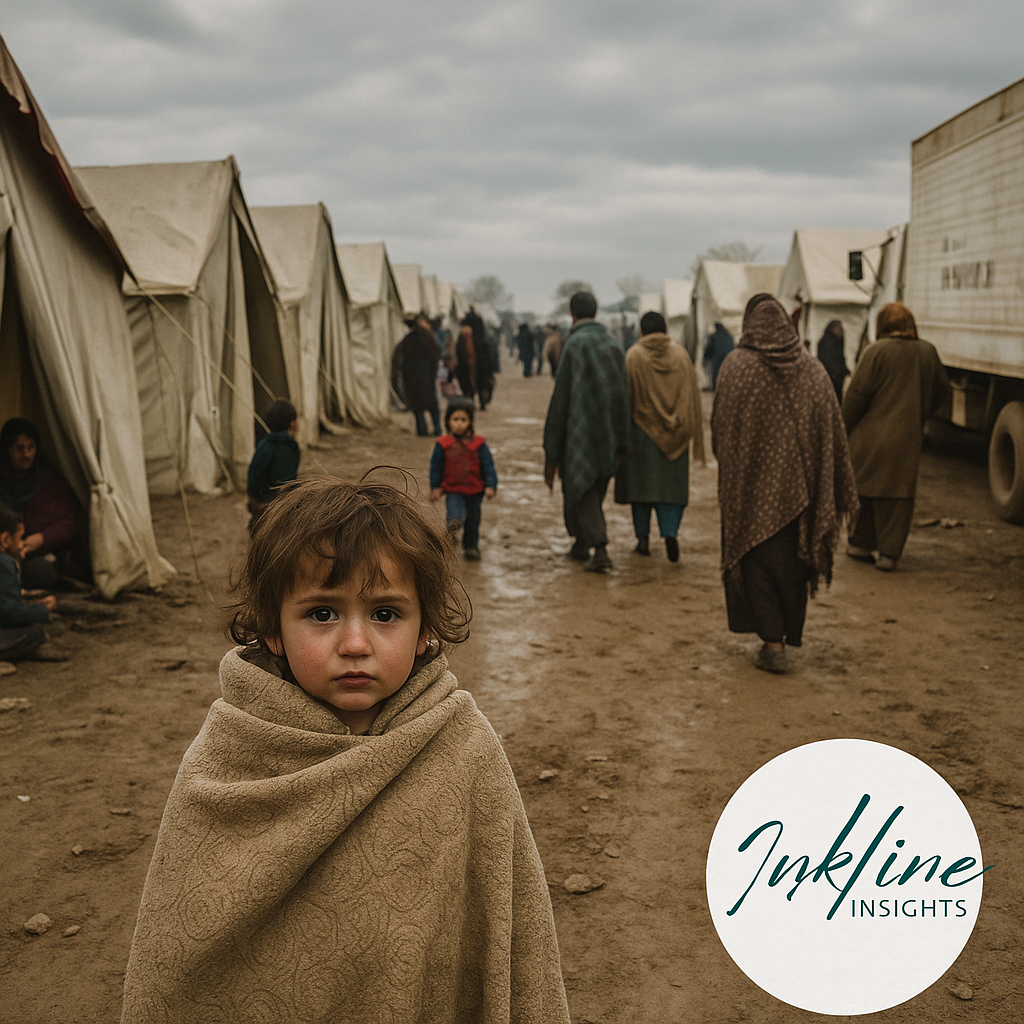
Human rights concerns are rising sharply as refugee movements surge across Pakistan and neighboring regions in 2025. The growing influx of displaced people—primarily Afghans fleeing economic collapse, security threats, and political repression—has put severe pressure on host communities and government systems. As border controls tighten and documentation requirements become stricter, many refugees find themselves caught between conflict at home and uncertainty abroad. Aid groups report that overcrowded settlements and inadequate access to food, healthcare, and legal protection are increasing the vulnerability of already marginalized groups, especially women and children.
Pakistan, which has hosted millions of refugees for decades, is struggling to balance internal security considerations with international humanitarian obligations. Reports of detentions, forced returns, and harassment of undocumented refugees have raised alarms among human rights organizations. While authorities maintain that regulatory measures are necessary to maintain stability, critics argue that large-scale repatriation efforts risk exposing vulnerable families to violence, persecution, and severe economic hardship upon return to Afghanistan. The lack of a clear legal framework for long-term residency continues to leave many refugees in a state of legal limbo.
Neighboring countries like Iran and Central Asian states are facing similar challenges, with rising deportation numbers and new restrictions on work, movement, and access to services. Human rights monitors warn that these policies often violate international norms, particularly when returns occur without proper assessment of safety conditions in the refugees’ home regions. At the same time, overstretched humanitarian agencies are struggling with funding shortages, causing cutbacks in essential programs that provide shelter, education, and medical assistance.
Analysts stress that the escalating human rights concerns cannot be solved through unilateral policies. A coordinated regional approach—supported by stronger international funding and diplomatic engagement—is essential to ensure that refugees receive protection and that host countries are not overwhelmed. Without comprehensive solutions, the surge in displacement risks heightening social tensions, destabilizing border regions, and leaving millions without the basic rights and support they urgently need.
Leave a Reply