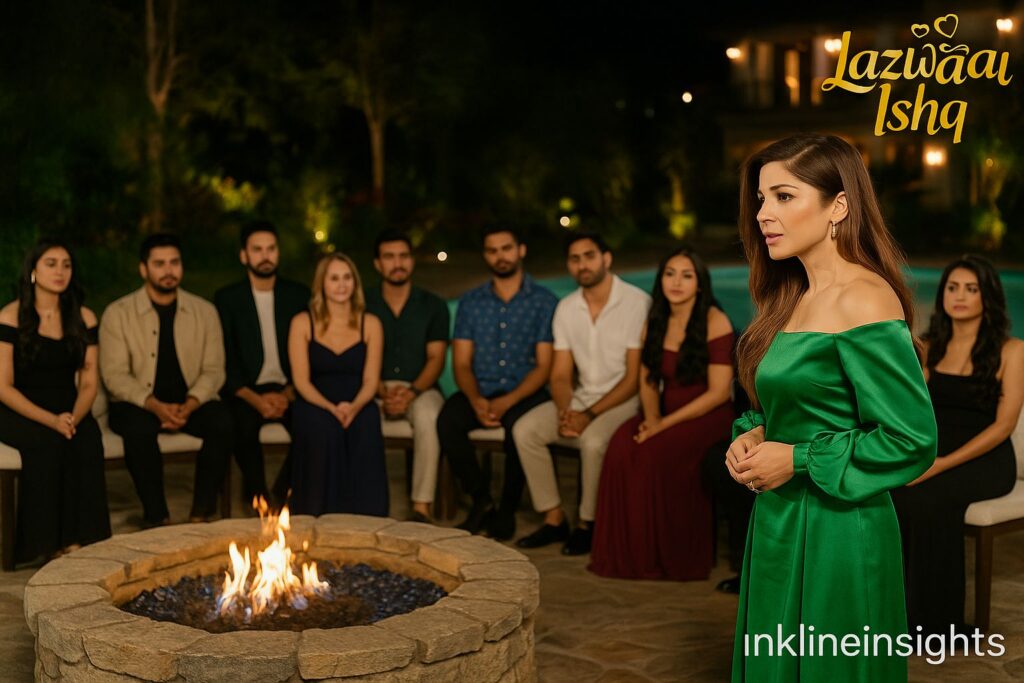
“Lazwaal Ishq,” the new Urdu reality show hosted by Ayesha Umar, has become one of the most talked-about programs in Pakistan—not because it reflects local culture, but because it challenges it. The show attempts to introduce a Western-style love-based reality format to Pakistani viewers, placing contestants together in a glamorous villa setup where they interact, form connections, express emotions, and navigate attraction in front of the camera. While this formula works in many countries, it has sparked intense debate in Pakistan due to the country’s cultural, traditional, and religious expectations regarding modesty, privacy, and public displays of affection.
In Pakistan’s cultural landscape, matters of love, relationships, and personal bonds are usually kept private and handled with a sense of dignity and restraint. For many viewers, a reality show centered entirely on public expressions of romance feels disconnected from social norms. Critics argue that the show gives visibility to a lifestyle that contradicts Islamic values and the conservative identity of Pakistani society. Several people online have stated that such formats do not align with the moral, ethical, or religious boundaries the country traditionally upholds, and for this reason, it has been labeled “misfit content” for the local environment.
Despite the heavy criticism, an interesting contradiction has emerged. Even those who strongly oppose the show continue to watch it, react to it, and make reels, memes, and commentary videos about it. Their constant analysis and ongoing discussions are indirectly contributing to the show’s popularity and online reach. Viewers who claim they dislike the content are also the ones generating engagement by dissecting episodes, sharing clips, and uploading reaction videos. This cycle boosts the algorithm, increases visibility, and ultimately promotes the show. The irony is clear: if someone genuinely believes the show is harmful, culturally inappropriate, or against religious values, then the most logical response would be to stop watching it entirely. Watching something only to criticize it still counts as viewership and helps it grow.
Public opinion on social media is divided, yet several repeating sentiments have surfaced among critics. Many argue that the format feels forced and borrowed from Western reality shows, making it appear out of touch with Pakistani values. Others express discomfort at scenes where contestants openly discuss attraction, emotions, or personal pasts. Some viewers say that the show intentionally uses glamour and controversy as tools to attract attention, rather than offering meaningful content. One common comment seen on social media is that “content like this may reflect global trends but has no place in a country built on modesty and Islamic guidelines.” Another viewer wrote that watching people compete for romantic attention on screen “feels awkward, unnatural, and unnecessary in a society where relationships are treated with seriousness and respect.”
Even with these reactions, the show continues to receive significant traffic online. The digital generation, curious about new content forms, tends to click on episodes even if they disagree with them. As long as people keep watching it out of curiosity or criticism, the viewership numbers will stay strong. This reveals a broader truth about modern media: audience engagement—positive or negative—adds to a show’s momentum. The more people talk about Lazwaal Ishq, the more it spreads, regardless of whether the conversation is supportive or disapproving.
In reality, Lazwaal Ishq may not represent Pakistani culture, nor does its format align with Islamic principles. For those who find it inappropriate, deliberately avoiding it would be the most effective form of protest. Continuing to watch it only contradicts the criticism and helps the program thrive. The show exists in a space between fascination and rejection, and its rise in viewership, despite widespread disapproval, highlights the complexity of how modern digital audiences consume and react to controversial content.
Leave a Reply