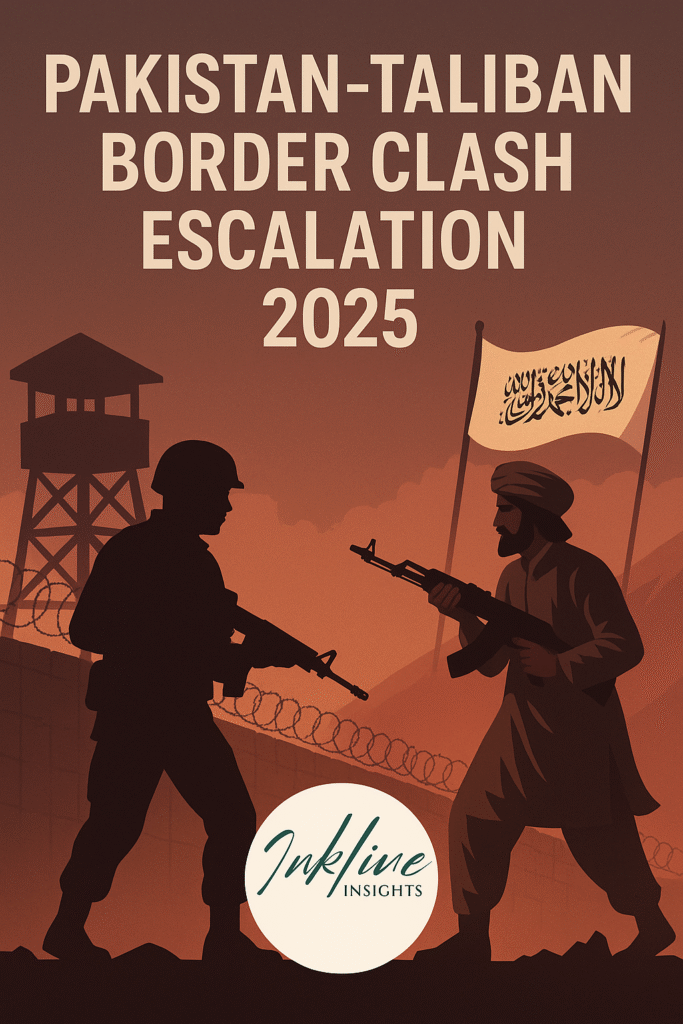
A deadly clash between Pakistani security forces and Taliban fighters along the border has reignited fears of a broader escalation in one of the region’s most volatile zones. According to local reports, the confrontation erupted after militants attempted to infiltrate a high-security area, prompting a swift military response. Heavy gunfire, mortar exchanges, and ground assaults resulted in multiple casualties on both sides, marking one of the most serious incidents in recent months. Residents living near the frontier described hours of intense fighting, with many families forced to take shelter as the situation rapidly deteriorated.
This latest violence comes at a time when Pakistan has repeatedly raised concerns about the growing presence and mobility of Taliban-linked groups operating near the frontier. Islamabad has long maintained that cross-border militant activity is undermining national security, especially as attacks on military convoys and checkpoints continue to rise. The deadly clash has amplified these concerns, with officials warning that unchecked militant movement could embolden extremist factions and destabilize already fragile border districts. The situation is further complicated by rugged terrain that makes surveillance and response operations difficult.
Analysts argue that the clash highlights deeper structural tensions between Pakistan and the Taliban authorities across the border. Despite ongoing communication, both sides often disagree on how to manage militant networks and enforce security protocols. Pakistan accuses Taliban factions of providing safe havens to groups targeting its forces, while Taliban officials deny direct involvement and blame the violence on historical border disputes. This persistent mistrust has made de-escalation challenging, increasing the risk that similar confrontations could erupt again with little warning.
Security experts warn that without a coordinated effort to address cross-border militancy, the region could face a new wave of instability. The latest clash has already heightened alert levels among Pakistani forces, leading to tightened movement controls and increased patrols. Observers stress that diplomatic engagement, intelligence sharing, and clear enforcement mechanisms are essential to prevent further violence. As tensions rise, communities along the border remain caught in the middle—living with uncertainty as fears of a larger escalation grow.
Leave a Reply