
In recent days, news about a disturbing incident in Saudi Arabia has circulated widely across social media and international news platforms. Many people encountered exaggerated headlines, misleading claims, and emotionally charged narratives. This has created confusion and concern, particularly among Muslims worldwide. Understanding the reality behind the Saudi Arabia mosque incident, separating facts from rumors, and discussing the broader issue of mental health is essential for responsible reporting and public awareness.
This article presents a fact-based, neutral, and respectful overview of the incident, while also highlighting the importance of mental health support in modern societies.
What Actually Happened?
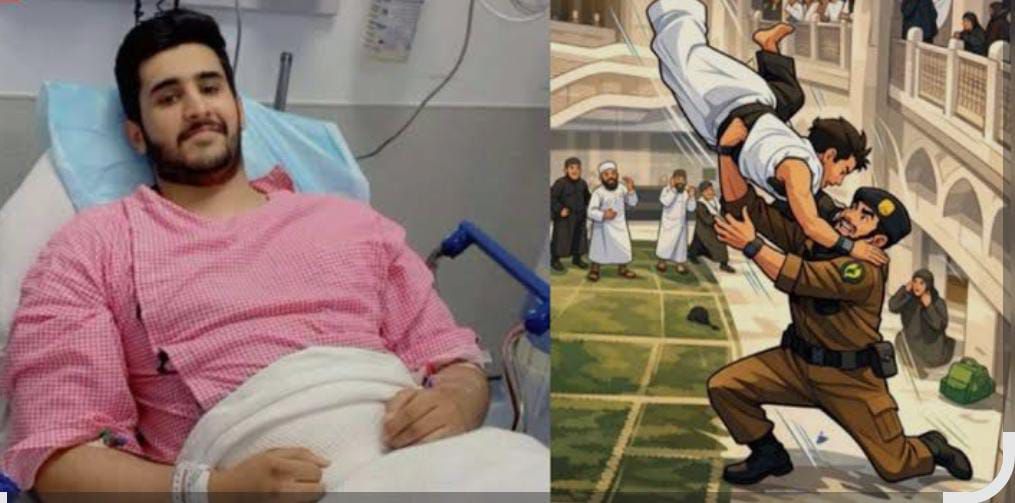
According to verified media reports, an individual attempted to take his own life by jumping from an upper level inside Masjid al-Haram in Makkah, Islam’s holiest site. The incident occurred during a time when the mosque was open to worshippers.
Saudi security personnel reacted immediately. In the process of intervening, one security officer was injured, demonstrating the seriousness of the response and the priority given to human life and safety. Both the individual involved and the injured officer were transported to medical facilities for treatment.
Authorities did not release personal details of the individual, which is consistent with Saudi Arabia’s approach to privacy and sensitive matters. Importantly, officials clarified that this was not a terrorist act, protest, or attack, but an individual mental health crisis.
Clarifying Common Rumors and Misinformation
Due to the sensitive location of the incident, misinformation spread rapidly. Some social media posts falsely claimed it was:
A terrorist attack
A political protest
A planned act inside the mosque
None of these claims were supported by verified sources. Responsible journalism confirmed that the event was an isolated suicide attempt, not linked to any extremist organization or political movement.
Such misinformation highlights the danger of relying on unverified social media content instead of credible news outlets.
Why Did This Incident Receive Global Attention?
The incident gained international attention for several reasons:
Sacred Location
Masjid al-Haram holds immense spiritual importance for over 1.9 billion Muslims worldwide. Any unusual event in this location naturally draws attention.
Public Visibility
The presence of worshippers and security personnel made the incident highly visible.
Mental Health Stigma
Discussions about mental health remain limited in many conservative societies, making such incidents both shocking and difficult to discuss openly.
Suicide and Mental Health: A Global Issue
According to global health organizations, over 700,000 people die by suicide every year worldwide. Mental health challenges such as depression, anxiety, trauma, and social isolation are key contributing factors.
Contrary to common assumptions, suicide is not limited to any single country, religion, or economic group. It is a global public health issue affecting developed and developing nations alike.
In Islamic teachings, suicide is strictly prohibited. However, Islamic scholars emphasize compassion, understanding, and treatment for those suffering from mental illness. Mental health struggles are viewed as medical conditions, not moral failures.
Mental Health in Saudi Arabia: Current Landscape
Saudi Arabia has made notable progress in healthcare reforms in recent years, including mental health services:
Expansion of psychiatric hospitals and clinics
Inclusion of mental health coverage in healthcare programs
National awareness campaigns addressing depression and anxiety
Introduction of hotlines and counseling services
Despite these improvements, social stigma remains a challenge, preventing many individuals from seeking help early.
This incident has renewed conversations within the Kingdom and beyond about the importance of emotional well-being, early intervention, and community support.
Role of Security and Emergency Response
Saudi security forces are trained to manage large crowds and emergencies, particularly in Makkah and Madinah where millions of pilgrims visit annually.
The quick response in this case prevented further harm and maintained public safety. The injury sustained by a security officer reflects the risks faced daily by emergency responders working to protect pilgrims and visitors.
Responsible Media Reporting and Google AdSense Compliance
For digital publishers and bloggers, covering sensitive topics requires responsibility. Google AdSense policies encourage:
Informational and educational content
Avoidance of graphic or sensational language
Respect for individuals’ privacy
Focus on public awareness and prevention
This article follows these principles by presenting verified facts, avoiding explicit details, and emphasizing mental health awareness rather than shock value.
Lessons Learned from the Incident
Several important lessons emerge:
Mental health needs open discussion, even in religious and conservative societies.
Misinformation can cause unnecessary fear, highlighting the need for verified sources.
Compassion and prevention matter more than judgment.
Public institutions play a vital role in emergency response and safety.
Conclusion
The Saudi Arabia mosque incident was a tragic reminder that mental health crises can affect anyone, anywhere. While the location made the event highly sensitive, the reality is that it was not an act of violence or terrorism, but a human being in distress.
By addressing such incidents with empathy, facts, and awareness, societies can move toward better prevention, stronger support systems, and reduced stigma around mental health.
Responsible reporting and informed discussions can help transform tragedy into an opportunity for education, compassion, and positive change.
Leave a Reply