
Introduction
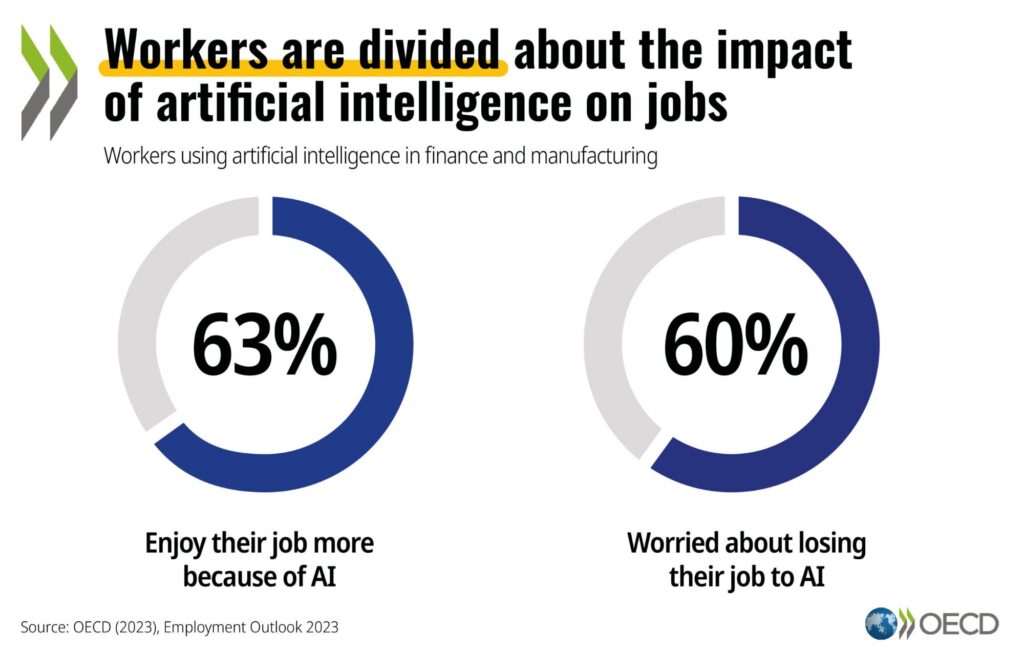
AI is reshaping the workplace faster than any previous technology.
2025 is the year where AI shifts from “helpful tool” → to core workforce infrastructure.
People are asking:
- Which jobs will AI replace?
- Which jobs will explode in demand?
- What skills should I learn to stay relevant?
This blog gives a clear, structured, step-by-step breakdown so you always stay ahead of the curve.
Section 1: Jobs AI Will Replace (High Risk)
AI doesn’t replace people.
It replaces tasks that are repetitive, predictable, and rule-based.
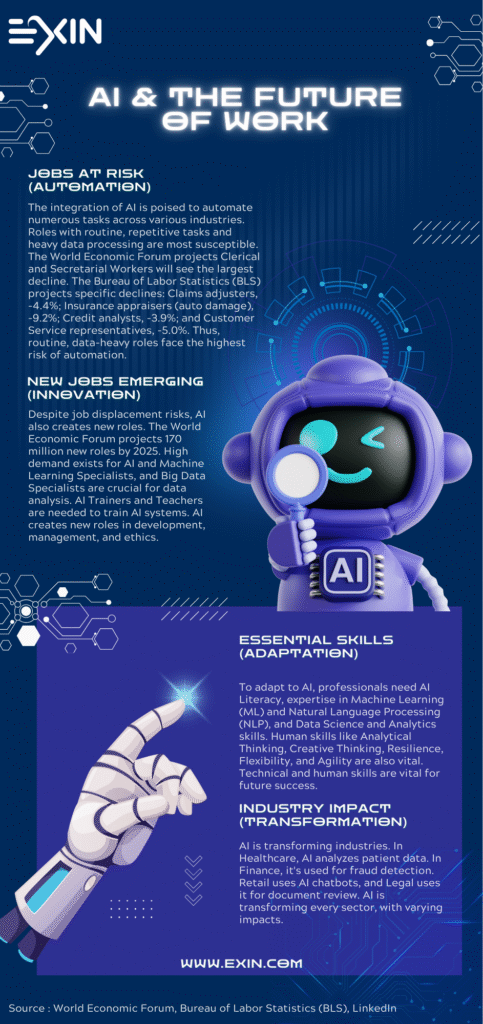
Here are the job categories most at risk in 2025:
1. Administrative & Clerical Jobs


High-risk roles:
- Data entry
- Receptionists
- Scheduling assistants
- Basic customer service
- Email support
Why?
AI agents can:
- Reply to emails
- Schedule appointments
- Manage calendars
- Handle customer queries
Administrative tasks = 70–90% automatable.
2. Basic Content Creation
Jobs affected:
- Blog writing
- Caption writing
- Product descriptions
- Social media posts
Why?
AI can now create:
- SEO blogs
- Scripts
- Ads
- Captions
- Emails
Humans will still be needed for strategy — not volume.
3. Telemarketing & Customer Support
Jobs affected:
- Call centers
- Helpdesk roles
- Appointment setters
Why?
AI voice agents handle:
- FAQs
- Booking
- Troubleshooting
- Customer onboarding
Cheaper, faster, 24/7.
4. Accounting & Bookkeeping Assistants
Tasks affected:
- Invoice management
- Data categorization
- Basic audits
- Reconciliation
AI tools do this with:
- Zero mistakes
- Full automation
- Real-time reporting
5. Graphic & Logo Designers (Low-Skill)
Why at risk?
AI tools like Midjourney & DALL·E create:
- Logos
- Posters
- Thumbnails
- Ads
The entry-level design market will shrink dramatically.
Section 2: Jobs That Will EXPLODE in Demand
Now the positive side — AI isn’t just replacing jobs.
It’s creating entirely new career categories.
These are the jobs with massive upside in 2025.
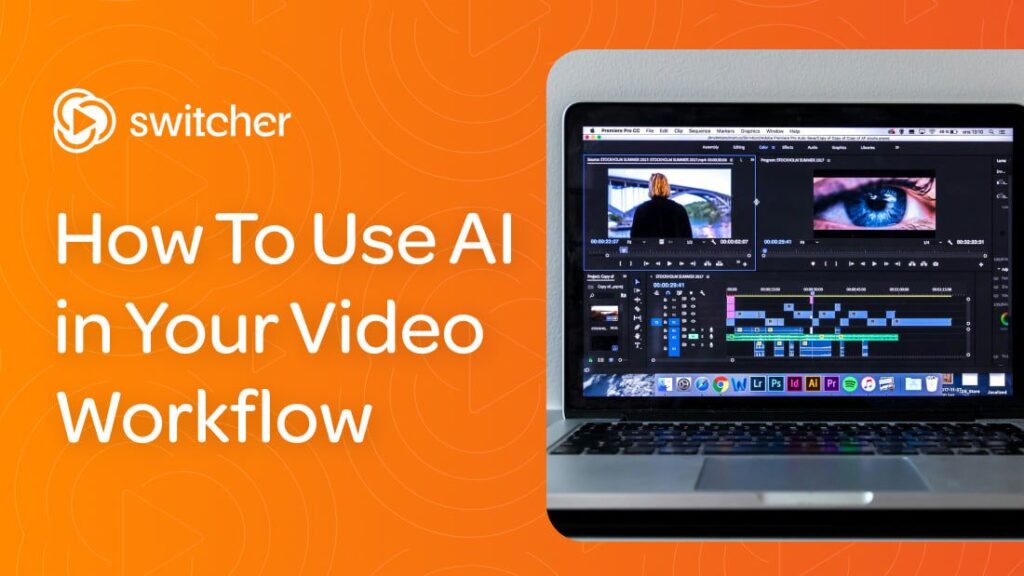
1. AI Workflow Designers
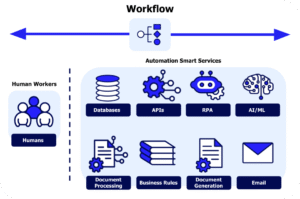
What they do:
- Build AI automation systems
- Connect tools like Zapier + APIs
- Set up AI agents for businesses
Salary:
💰 $80k–$240k+
Why booming?
Every business wants to automate repetitive tasks.
2. AI Prompt Engineers
What they do:
- Design prompts
- Build LLM instructions
- Optimize AI productivity
Salary:
💰 $90k–$300k+
Prompts are becoming the “new coding.”
3. AI Content Strategists
What they do:
- Use AI to scale content
- Create systems, not posts
- Analyze audience data
Salary:
💰 $70k–$180k
AI creates the content.
Humans design the strategy.
4. Data + AI Specialists
Includes:
- AI model trainers
- Data annotators
- Evaluation experts
- AI safety roles
Salary:
💰 $50k–$200k
Huge companies need massive data pipelines.
Human oversight = essential.
5. Human-AI Collaboration Managers
What they do:
- Teach teams how to use AI
- Build AI guidelines
- Introduce automation safely
Salary:
💰 $100k–$220k
Every corporate office needs someone who understands how humans + AI work together.
Section 3: Jobs Safe From AI (Low Risk)
These jobs require:
- Empathy
- Creativity
- Physical work
- Human judgment
- Complex coordination
Examples:
- Therapists
- Electricians
- Plumbers
- Nurses
- Teachers
- Lawyers (strategic roles)
- Managers
- Creators & influencers
AI helps these professionals — but doesn’t replace them.
Section 4: Skills You Must Learn in 2025
To stay future-proof, focus on:
1. AI literacy
Prompting, automation, tool usage.
2. Critical thinking
AI gives info; humans decide.
3. Creativity
The skill AI boosts, not replaces.
4. Digital communication
Writing + strategy.
5. Tool adaptability
People who adapt fast → win big.
Conclusion
AI is not the enemy of jobs —
it’s the evolution of them.
People who adapt will:
✔ Earn more
✔ Work less
✔ Build smarter careers
✔ Future-proof their income
People who ignore AI risk falling behind.
Leave a Reply