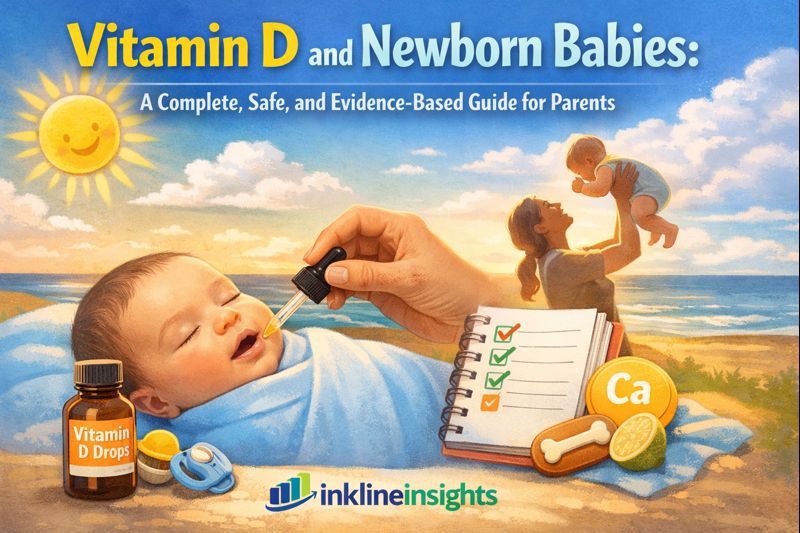
Vitamin D is one of the most important nutrients for newborn babies, yet it is often overlooked. During the first months of life, infants experience rapid physical growth, especially in their bones and immune system. Vitamin D supports this growth by helping the body absorb calcium and phosphorus—two essential minerals for healthy bone development. Due to modern lifestyles, limited sun exposure, and nutritional gaps, vitamin D deficiency in newborns has become a global public health concern.
This article explains the role of vitamin D in newborn health, common causes of deficiency, safe intake recommendations, and practical guidance for parents. The information provided is educational, research-based, and aligned with child health guidelines.
Why Vitamin D Matters for Newborn Babies
Newborns are in a critical stage of growth. Their bones are forming quickly, and their immune system is still developing. Vitamin D plays a supportive role by:
1.Improving calcium absorption
2. Supporting bone strength and structure
3. Contributing to muscle function
4. Supporting normal immune responses
Without adequate vitamin D, a newborn’s body may struggle to use calcium efficiently, which can affect bone development over time.
Vitamin D Deficiency in Infants: A Common Issue
Studies across different regions show that vitamin D deficiency is common in newborns, particularly in areas where sun exposure is limited or cultural practices restrict outdoor activity. Babies are especially vulnerable because their vitamin D stores depend largely on maternal levels during pregnancy.
Common reasons for deficiency include:
1.Low vitamin D levels in mothers
2.Limited or indirect sunlight exposure
3.Exclusive breastfeeding without supplementation
4.High pollution reducing sunlight effectiveness
5.Darker skin tone, which naturally reduces vitamin D synthesis
Because breast milk contains only small amounts of vitamin D, additional sources are often needed.
Possible Effects of Low Vitamin D Levels
Long-term vitamin D deficiency may lead to health concerns in infants if not addressed early. These may include:
1.Delayed bone growth
2.Soft or weak bones
3.Delayed physical milestones
4.Increased susceptibility to infections
In more serious cases, prolonged deficiency can contribute to rickets, a condition characterized by weak or poorly developed bones. Early prevention plays a key role in avoiding such outcomes.
Sources of Vitamin D for Newborns
Newborns can obtain vitamin D from a combination of safe sources:
1. Sunlight Exposure
Sunlight helps the body produce vitamin D naturally. However, newborn skin is delicate, and prolonged direct sun exposure is not recommended. Short periods of indirect sunlight may help, depending on climate, time of day, and skin tone.
2. Breast Milk
Breastfeeding offers unmatched nutritional benefits, but it does not supply sufficient vitamin D alone. For this reason, health professionals often recommend vitamin D supplementation for breastfed infants.
3. Infant Formula
Most commercially available infant formulas are fortified with vitamin D. Babies who consume adequate quantities of formula may receive enough vitamin D through this source, but intake levels should be assessed individually.
Recommended Vitamin D Intake for Newborns
Child health experts generally recommend 400 IU (International Units) of vitamin D per day for newborns and infants. This intake supports healthy growth and helps prevent deficiency.
Supplementation usually begins within the first few days after birth, especially for:
-Exclusively breastfed infants
-Babies with minimal sun exposure
-Infants born to vitamin D-deficient mothers
Vitamin D supplements for babies are available in liquid drop form, designed specifically for infant use.
Disclaimer: Parents should always consult a qualified pediatrician before starting or adjusting any supplement.
Safety and Proper Use of Vitamin D Supplements
Vitamin D supplementation is considered safe when used correctly. Problems usually arise only when excessive doses are given for extended periods.
To ensure safety:
-Use only pediatric-approved supplements
-Follow the recommended dosage exactly
-Do not combine multiple vitamin D products
-Store supplements safely away from children
Excess vitamin D may lead to high calcium levels, which can cause feeding issues or discomfort. This is rare when guidelines are followed.
Role of Maternal Vitamin D During Pregnancy
A baby’s vitamin D status at birth is closely linked to the mother’s vitamin D levels during pregnancy. Adequate maternal nutrition and safe sun exposure can help build healthy vitamin D stores in newborns.
Healthcare providers may advise pregnant women to:
-Maintain a balanced diet
-Spend limited time in sunlight
-Take prenatal supplements if prescribed
This approach supports both maternal and infant health.
Vitamin D-Supporting Foods for Breastfeeding Mothers
Although newborns cannot consume solid foods, breastfeeding mothers can improve their own vitamin D levels through diet, which may indirectly benefit their baby. Common sources include:
-Fatty fish
-Egg yolks
-Fortified dairy products
-Fortified cereals
A nutritious maternal diet contributes to overall family health.
Common Misunderstandings About Vitamin D and Infants
Misconception: Sunlight alone is enough
Fact: Sun exposure varies and may not meet daily needs.
Misconception: Supplements are unsafe
Fact: Properly dosed supplements are widely recommended.
Misconception: Breast milk provides all nutrients
Fact: Breast milk is ideal but low in vitamin D.
Understanding these facts helps parents make informed decisions.
When to Consult a Healthcare Professional
Parents should seek medical advice if they notice:
Slow growth
Delayed physical development
Frequent illness
Signs of bone weakness
Early evaluation ensures timely guidance and appropriate care.
Conclusion
Vitamin D plays a vital role in the healthy growth of newborn babies. From supporting bone development to aiding immune function, its importance is well established. Because natural sources alone may not meet an infant’s needs, safe supplementation under medical guidance is often recommended. With proper awareness and preventive care, vitamin D deficiency in newborns can be effectively avoided, helping lay the foundation for a healthy childhood.
Leave a Reply